
Vandaag of morgen in huis

Kwaliteit gegarandeerd

Welkomstaanbiedingen ontgrendelen: GRATIS bezorging | Tot 80% korting | Gratis 30 dagen JoyPlus-proefperiode
Download de app
Wireless earbuds are convenient for music, podcasts, calls, travel and exercise. However, an extensive list of features means little if the fit is wrong, the battery life disappoints or the earbuds cannot withstand everyday use. If you focus only on a low price, a high decibel rating or a promise such as “noise cancellation”, you could end up with an unused set after just a few weeks.
In this buying guide from the Joybuy Product Recommendation Officer, we compare the practical features of Bluetooth earbuds. The selection is based on verifiable product specifications, including battery life, IP rating, microphones, Bluetooth version and design type.
A stated playback time often applies under specific conditions, such as at a particular volume and without active noise cancellation. For example, the Baseus Bass EP10 Pro is listed as offering 11 hours of listening time at 50% volume. Active noise cancellation, high volumes and phone calls can reduce battery life.
So pay attention to the difference between:
A charging case makes wireless earbuds more practical on the go, but also check whether a USB-C cable is included. An adapter is not included with several models.
An IP rating consists of numbers and letters indicating protection against dust and water. IPX4 is designed to protect against splashes, sweat and light rain, but not immersion. IPX5 provides protection against water jets under certain test conditions, but still does not make a product suitable for swimming or showering.
According to the product specifications, the Baseus Bass EP10 Pro has an IP55 rating. The Anker Liberty 4 Pro lists IPX5. The Sony LinkBuds Fit and Sony LinkBuds Open have an IPX4 rating. Dry the earbuds and USB-C connector before charging them, and always follow the manufacturer’s instructions.
Active noise cancellation, also known as ANC, uses microphones and electronics to reduce ambient noise. However, its effectiveness depends on the design and the seal in your ear. In-ear earbuds with different sizes of silicone tips generally create a different seal from open-ear earbuds.
An open design lets more ambient sound through, which can be useful when walking or working. The trade-off is that music is less isolated on a busy train or in an office. So choose based on your use case and wearing comfort first, and only then consider the number of advertised features.
True wireless earbuds, also known as TWS earbuds, have no cable connecting the left and right sides. In-ear models sit partly inside the ear canal and often provide a sealing fit. Check whether multiple sizes of earbuds or ear tips are included.
Open-ear earbuds rest on or around the ear and leave the ear canal less enclosed. This can be comfortable if you want to stay aware of your surroundings while walking or working. Sound isolation is usually more limited. An open design is not a substitute for paying attention in traffic.
For earbuds used for music and calls, the number and positioning of microphones, along with software processing, are more relevant than an isolated marketing term. The Anker Liberty 4 Pro lists six built-in microphones. According to the product information, the Soundcore A30i has four microphones and a multipoint function. These specifications provide an indication of the features, but call quality can vary depending on the surroundings, phone and network.
Bluetooth 5.3 or 5.4 is a modern connectivity standard, but also check compatibility with your smartphone and laptop. Multipoint is useful if you want to connect to, for example, a work computer and phone at the same time.
Also look out for:
Long battery life is useful when travelling, but a compact case and fast charging can be just as important for everyday use.
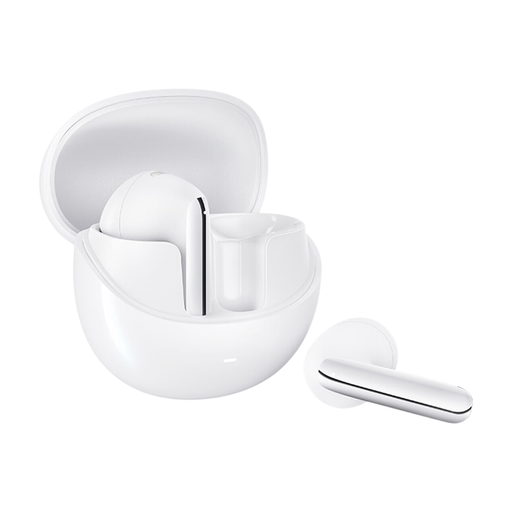
Why it suits this profile: A straightforward choice for anyone looking for wireless earbuds for everyday listening without immediately opting for a feature-packed premium model. Check the current product page for the available specifications before buying.
The product listing does not contain detailed performance claims. It is therefore best not to make assumptions, but to check the specific features and included accessories.
Compact TWS design and a choice of a white finish. Check the full specifications before ordering.
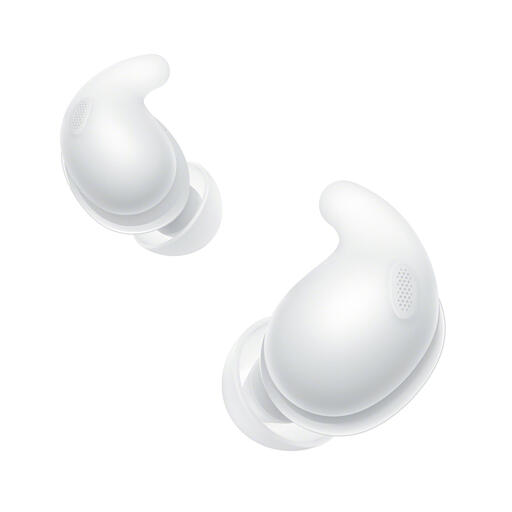
Why it suits this profile: Suitable for anyone who values ANC, multipoint and a lightweight fit for music, work and exercise.
The IPX4 rating makes the limit clear: suitable for splashes, not immersion. The battery information lists 8 hours separately, or 5.5 hours with noise cancellation.
Bluetooth 5.3, multipoint, USB-C, active noise cancellation and a stated total battery life of 21 hours.
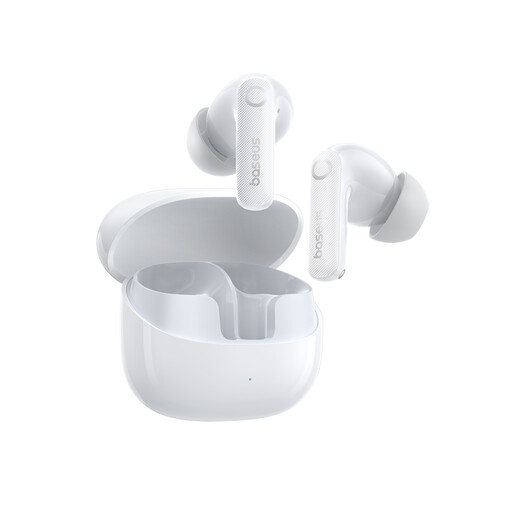
Why it suits this profile: Practical for exercise, commuting and long listening sessions thanks to the combination of ANC, six microphones and a spacious case.
The specifications state IP55 rather than simply saying “water-resistant”, and specify that the 11-hour listening time was measured at 50% volume. This makes the claim easier to assess.
Bluetooth 5.4, LDAC support, adaptive hybrid ANC of up to the stated 50 dB and total battery life of up to 55 hours according to the product information.
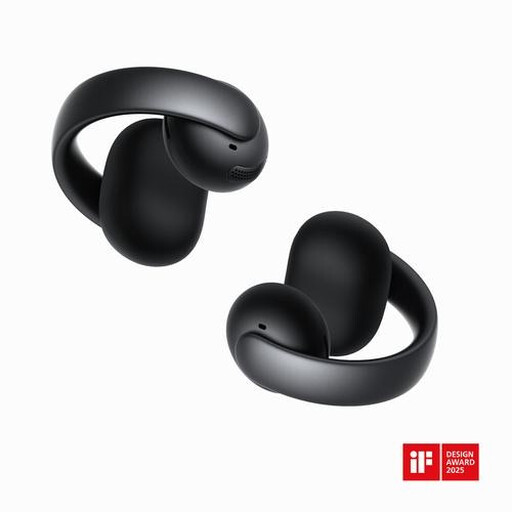
Why it suits this profile: The open-ear clip design is intended for walking, working and exercise when you do not want to be completely cut off from your surroundings.
The open design means you will not accidentally buy a closed in-ear model when you actually want to remain aware of ambient sound. The product information lists four beamforming microphones for calls.
Open-ear clip attachment, 12 × 12 mm drivers and four microphones. No IP rating is listed in the supplied product information; check this before using the earbuds in the rain.
We have put together a complete, up-to-date list of products that fully meet these strict selection criteria and the applicable European safety regulations.
Open the charging case, activate Bluetooth on your phone and select the earbuds’ name from the list of available devices. When connecting for the first time, you may need to press a button on the case. Consult the manual if the earbuds do not appear. Remove an old pairing when switching from one phone or laptop to another.
Battery life per charge varies depending on the model and settings. ANC, phone calls and a higher volume generally use more energy. Overall lifespan also depends on the built-in lithium battery, charging cycles, heat and careful use. Store the earbuds in the case, avoid extreme temperatures and use a suitable USB-C charger.
This depends on the fit, microphones and IP rating. For exercise, sports earbuds with a secure fit and at least splash resistance are practical. For calls in a busy environment, multiple microphones and wind reduction are useful specifications. Do not use earbuds while cycling or driving when you need to be able to hear ambient sound and traffic signals clearly.
