
Vandaag of morgen in huis

Kwaliteit gegarandeerd

Welkomstaanbiedingen ontgrendelen: GRATIS bezorging | Tot 80% korting | Gratis 30 dagen JoyPlus-proefperiode
Download de app
Wireless earbuds might seem easy to compare at first. But terms such as “noise cancelling”, “AI”, “waterproof” and “long battery life” don’t always tell you how well they’ll work day to day. The right model depends on your ears, smartphone, how you plan to use them and what you expect from them.
Look out for these three common pitfalls:
First, choose a design that suits how you’ll use your earbuds:
Fit is personal. Check whether the earbuds come with different-sized tips, stability wings or an adjustable clip.
Active noise cancellation, often called ANC, uses microphones and electronic processing to reduce surrounding noise. This can be useful on a plane, train or in a busy office. It won’t reduce every voice or sound to the same extent.
A transparency mode lets surrounding sounds in instead. This is useful when you want to hear an announcement or talk to someone. When choosing earbuds for calls, the number of microphones matters, as do wind-noise reduction and microphone placement.
Always compare these three figures:
Wireless earbuds with a charging case are handy when you’re out and about, but the case needs charging regularly too. Also check whether they support USB-C charging, wireless charging or both.
The IP code is a useful guide to water resistance. IPX4 is suitable for splashes and sweat, while IP68 offers a higher level of protection according to the product information. Always check the manual: the charging case may have a different rating from the earbuds.
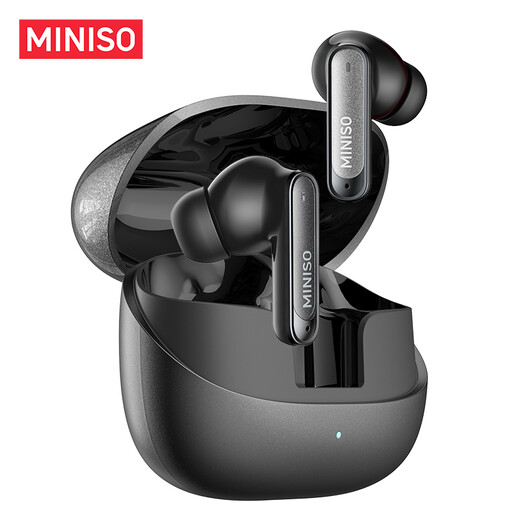
Why it suits this profile: These TWS earbuds combine noise cancelling, a built-in microphone and a stated total battery life of up to 55 hours, making them suitable for everyday use, studying and commuting.
The product specifications state IPX5, giving you a clearer indication of splash and sweat resistance than models without an IP rating.
10mm driver, six microphones, fast charging and connection to two devices, according to the product information.
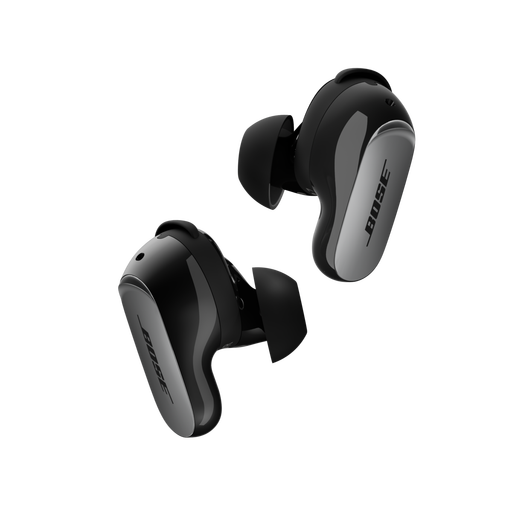
Why it suits this profile: A good choice for travellers and music lovers who value active noise cancellation, an adjustable fit and multipoint connectivity.
The included fit kit, with three sizes of ear tips and stability bands, helps you find the right fit.
Bluetooth 5.3, multipoint, Aware mode, wireless charging and up to six hours of playback per charge.

Why it suits this profile: The open-ear bone-conduction design and 32 GB of built-in storage are aimed at running, cycling, swimming and workouts where staying aware of your surroundings matters.
The product information states IP68 and built-in storage, so you won’t need a smartphone connection for every workout. Check the manual for guidance on using and charging the headphones after swimming.
Open-ear design, Bluetooth and 32 GB of MP3 storage, according to the available product specifications.
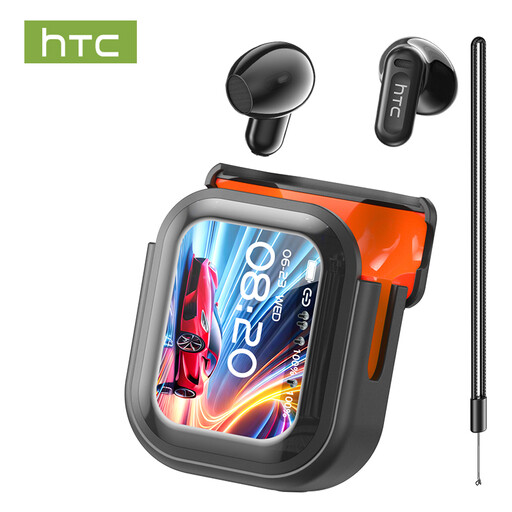
Why it suits this profile: This model is aimed at travellers, students and business users looking for an LED charging case, touch controls and potential translation features through a compatible app.
The product information states that translation works through a compatible mobile app. Check app support, language options and internet requirements in advance.
Bluetooth 5.4, built-in microphone, LED display and touch controls, according to the product description.
We’ve put together a complete, up-to-date list of products that meet these strict selection criteria and the applicable European safety requirements.
Most Bluetooth earbuds work with both Android phones and iPhones. Extra features, such as an equaliser, multipoint or translation, may depend on the companion app and operating system. Check the compatibility information before you buy.
Battery capacity decreases over time. How long a charge lasts depends on the volume, ANC, calls and temperature. Keep the earbuds in their charging case, use a suitable USB-C charger and avoid prolonged exposure to heat. Their overall lifespan also depends on the hinges, charging contacts, software support and how you clean them.
Not always. Noise cancelling can reduce traffic noise and other sounds around you. When cycling, only use a mode that lets you hear enough of what’s happening around you, and follow the Dutch traffic rules. Open-ear earbuds may be more practical in these situations, but you’ll still need to stay alert.
