
Vandaag of morgen in huis

Kwaliteit gegarandeerd

Welkomstaanbiedingen ontgrendelen: GRATIS bezorging | Tot 80% korting | Gratis 30 dagen JoyPlus-proefperiode
Download de app
The search for the right wireless earbuds can be overwhelming. The market is flooded with models, all promising the world. But how do you separate the marketing fluff from the specifications that truly matter? Many buyers fall into the same traps, ending up with earbuds that don't meet their expectations.
As a Joybuy Product Recommendation Officer, I'm here to help you cut through the noise. We'll focus on the facts, so you can make a choice that fits your needs without wasting money. These are the three most common pitfalls:
To avoid a bad purchase, it's crucial to understand the technical specifications. Focus on these three key points to find the right bluetooth earbuds for your situation.
Always look for the "continuous playback time" or "battery life per earbud" specification. This number tells you how long you can listen before the earbuds need to go back into the case.
The IP code indicates how well a product is protected against dust and moisture. For waterproof earbuds, the last digit is the most important.
wireless earbuds for sports.For those who want to block out the world, earbuds with noise cancelling are a godsend. Active noise cancellation (ANC) uses microphones to analyse ambient sound and produce an opposing signal, effectively dampening noise. This is different from passive isolation, which is simply created by the in-ear headphones sealing your ear canal.
Do you work from home a lot or frequently make calls on the move? Then pay attention to the number of microphones and the presence of noise reduction technology for calls. A good pair of earbuds with a microphone ensures you are heard clearly, even in a noisy environment. Many modern TWS earbuds (True Wireless Stereo) give this special attention.
Based on objective specifications, we have selected a few models that suit different user profiles and avoid the pitfalls mentioned earlier.
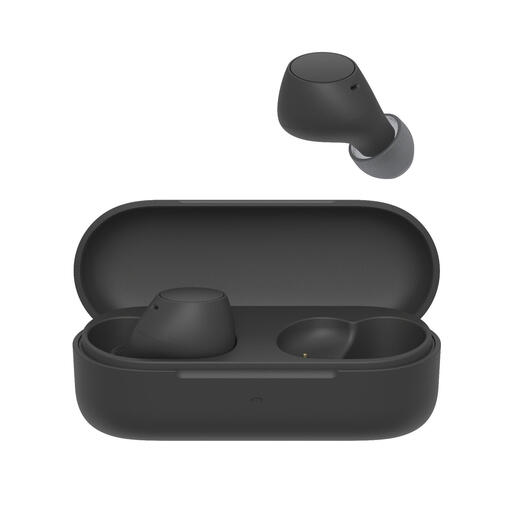
Why This Fits Their Persona: Ideal for those seeking a reliable brand for daily use, like listening to music on the train or making calls on the go, without paying a premium. A solid all-rounder for a reasonable price.
This model avoids the pitfall of overhyped features. It focuses on the basics: good sound quality and a clear battery specification. The IPX4 rating is honestly communicated for light rain and sweat.
Long battery life of 10 hours on a single charge. The sound quality can be customized with an equalizer via the Sony app.
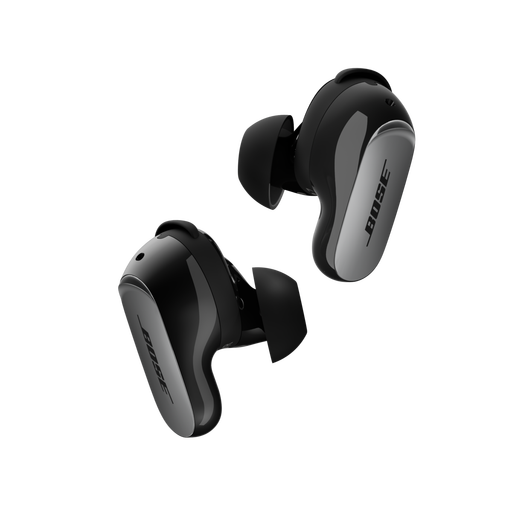
Why This Fits Their Persona: Perfect for the professional or commuter who needs absolute focus in a noisy open-plan office or on public transport. Clear call quality and effective noise cancellation are the priority here.
This model delivers what it promises: high-quality active noise cancellation. It avoids the trap of vague 'AI' claims by relying on the proven hardware and technology that Bose is known for.
Effective active noise cancellation and an Aware Mode to hear your surroundings. According to Bose, the CustomTune technology automatically adjusts the sound to the shape of your ear.
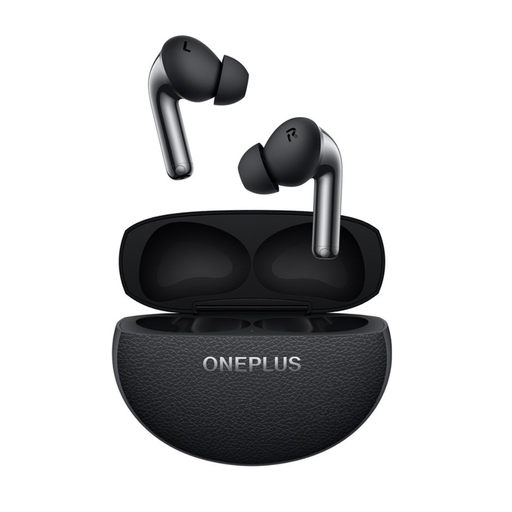
Why This Fits Their Persona: For those who don't want their earbuds to fall out or get damaged by sweat or rain while running, cycling, or at the gym. A secure fit and good water resistance are essential.
This model sidesteps the "waterproof" disappointment. The IP55 rating not only offers protection against water jets (sweat, rain) but also against dust, which improves durability.
The IP55 rating makes them more robust than many competitors. The 10-hour battery life per charge is more than enough for even the longest workouts.
We have compiled a complete, up-to-date list of products that fully meet these strict selection criteria and local regulations.
The lifespan of wireless earbuds depends on usage and quality. Physically, they can last for years. However, the built-in batteries will lose capacity over time. With daily use, you can expect battery performance to noticeably decline after 2 to 3 years.
TWS stands for True Wireless Stereo. This means there are no wires whatsoever, not even between the two earbuds themselves. Each earbud connects to your device independently. Older bluetooth earbuds models sometimes had a wire connecting the two earpieces. Nowadays, virtually all new in-ear headphone models are the TWS type.
Yes, most modern TWS earbuds support 'mono mode'. This means you can use one earbud for music or calls while the other is in the charging case. This is useful for extending battery life or for keeping one ear open to your surroundings, for example, in traffic. Check the product specifications to be sure if a model supports this feature.
