
Vandaag of morgen in huis

Kwaliteit gegarandeerd

Welkomstaanbiedingen ontgrendelen: GRATIS bezorging | Tot 80% korting | Gratis 30 dagen JoyPlus-proefperiode
Download de app
The search for the right wireless earbuds can feel like navigating a maze. Manufacturers promise the world with vague marketing jargon, leading you to overpay for features you don't need or, even worse, make a bad purchase. As a Product Recommendation Officer at Joybuy, I see the challenges consumers face every day. Let's cut through the noise and focus on what truly matters. These are the three most common pitfalls and how to avoid them.
Many brands advertise an impressive battery life of 20, 30, or even 50 hours. What they often fail to mention is that this is the total playtime, including multiple recharges via the charging case. The real question is: how long do the earbuds last on a single charge? If you use them for long journeys, online meetings, or gym sessions, a playtime of 3-4 hours per charge simply isn't practical. You'll be constantly dealing with dead earbuds.
"Sweat and water-resistant" is a term you see everywhere, but it means little without context. The degree of protection is indicated by an IP rating (Ingress Protection). For example, earbuds with an IPX4 rating are splash-proof and resistant to sweat, which is sufficient for most athletes. Models without a clear IP rating often offer inadequate protection, meaning a heavy downpour or an intense workout could spell the end for your earbuds.
AI-driven call enhancement, personalised 3D sound, automatic pause functions; the list of smart features is endless. While some are useful, they drive up the price significantly. Ask yourself if you will actually use these extras. A good, clear microphone is more important for calls than a vague "AI assistant." Focus on the core functionality that matters to you.
Before you make a choice, there are a few technical specifications you need to check. These determine the actual user experience far more than marketing promises.
Always look for the "playtime per charge" or "battery life (hours)" specification. For most users, a duration of 6 to 8 hours per charge is a good benchmark. This ensures you can make calls throughout the workday or enjoy music without interruption and without needing to recharge. Earbuds with long battery life are essential for heavy daily use.
There is a big difference between passive and active noise cancelling.
Modern Bluetooth earbuds use versions like Bluetooth 5.2 or 5.3 for a stable and energy-efficient connection. For sound quality, the supported codecs are important. iPhones work well with AAC, while many Android devices also support aptX or LDAC for higher-quality audio. For earbuds for sports, a secure fit with ear hooks or interchangeable wing tips is crucial to prevent them from falling out.
To help you get started, we have selected a few models that score well on the most important criteria and suit different user profiles.
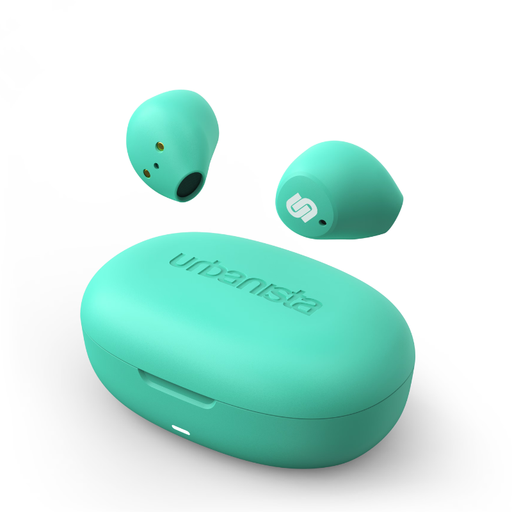
Why This Fits Their Persona: Perfect for daily use and commuting. These earbuds are ultra-compact, lightweight, and offer surprisingly good sound quality for their price. Ideal for anyone seeking a reliable and stylish pair without paying a premium.
The specs are clear: up to 9 hours of playtime on a single charge. This is excellent performance in this segment and prevents the frustration of constant recharging.
Very compact and light (4 grams per earbud). The long battery life per charge is a major plus in this price range.
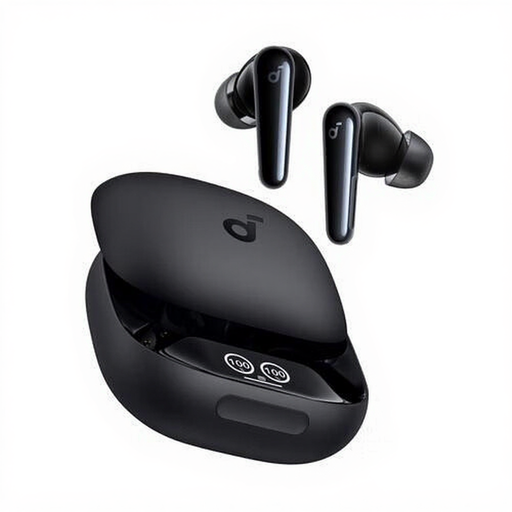
Why This Fits Their Persona: For those who demand reliability during sports. These earbuds offer a secure fit and are resistant to sweat and rain, allowing you to focus on your workout.
No vague claims here. The IPX5 rating is clearly specified, meaning the earbuds are protected against water jets from any angle. Perfect for intense workouts.
The combination of an IPX5 rating, 10 hours of battery life per charge, and included extra eartips for a stable fit makes this a solid choice for athletes.
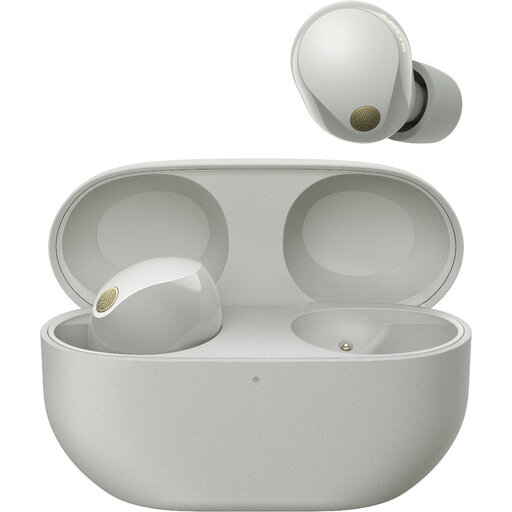
Why This Fits Their Persona: For the user who refuses to compromise on sound quality and noise cancelling. Ideal for travellers, audiophiles, and professionals who want to work or enjoy music in peace.
These earbuds deliver on their promise. The Active Noise Cancelling is based on concrete technology (Multi Noise Sensor) and is widely regarded as industry-leading, rather than being an empty marketing claim.
Support for Hi-Res audio via the LDAC codec and effective ANC. The 8-hour battery life with ANC on is solid for a premium model.
We have compiled a complete, up-to-date list of products that fully meet these strict selection criteria and safety regulations.
The lifespan of true wireless earbuds depends on two factors: the battery and the physical build quality. The lithium-ion batteries in earbuds degrade over time. With daily use, you can expect the maximum battery capacity to noticeably decrease after 2 to 3 years. The physical durability depends on the materials and construction. Models with a higher IP rating and a robust casing typically last longer, especially with athletic use.
Yes, virtually all modern wireless earbuds have built-in earbuds with a microphone. However, the quality of phone calls varies dramatically. For clear calls, especially in a noisy environment, it's best to choose models with multiple microphones per earbud and technology like Environmental Noise Cancellation (ENC). This helps to isolate your voice from background noise.
Not necessarily. A higher price often means more advanced features, such as superior active noise cancelling, support for audiophile codecs (LDAC), wireless charging, or a premium finish. If you don't need these features and mainly use the earbuds for podcasts or music while cycling, a cheaper model that focuses on long battery life and a good fit could be a smarter choice. It's all about finding the specifications that align with your usage.
