
Vandaag of morgen in huis

Kwaliteit gegarandeerd

Welkomstaanbiedingen ontgrendelen: GRATIS bezorging | Tot 80% korting | Gratis 30 dagen JoyPlus-proefperiode
Download de app
Wireless earbuds are handy for listening to music, making calls, travelling and commuting. However, a long list of features does not automatically mean that a model will suit the way you use it. A low price may come with a mediocre fit, for example, while a high battery-life claim may only apply when noise cancelling is switched off.
The main pitfalls when buying wireless earbuds are:
Pay attention to two figures: the playback time of the individual earbuds and the total playback time with the case. Volume, codec, phone calls and ANC all affect power consumption.
A model offering 7 to 8 hours per charge may be sufficient for commuting. For travelling or long working days, a charging case with several additional charges is more practical. Fast charging is useful if you often forget to charge your earbuds. Do check whether the manufacturer states the additional playback time from a short charge and under what conditions.
With wireless in-ear earbuds, silicone tips usually create a seal in the ear canal. This can affect bass response and passive sound isolation, but not everyone finds an in-ear fit comfortable.
Open-ear earbuds, clip-on models and ear hooks leave part of the ear uncovered. This can be useful when walking, running or cycling, as you can hear surrounding sounds more clearly. The listening experience and low frequencies may differ with an open design compared with closed in-ear earbuds.
For sports, choose a model that stays firmly in place. Low weight, an ear hook or a clip may be more important than extra features. Also check whether the earbuds are suitable for sweat and light rain.
The IP code indicates how well a product is protected against dust and water. IPX4 is generally intended for splashes, while IP55 indicates a certain level of protection against dust and water jets. Neither rating is a licence to swim with the earbuds or submerge them. If in doubt, only charge the earbuds once the contact points are dry.
For calls, the number of microphones and the noise-reduction technology used are relevant specifications. A product description may mention a 4- or 6-microphone system, for example. This is verifiable, but it does not guarantee the same call quality on every street or train.
For Android and iPhone, most Bluetooth earbuds use a standard Bluetooth connection. Features such as an app, multipoint, an equaliser or quick pairing may vary between operating systems. So check that the features you want are available on your phone.
The selection below is based on published product specifications, such as battery life, Bluetooth version, IP rating, design and features. Brands’ claims about sound quality or noise reduction are not presented here as guaranteed results.
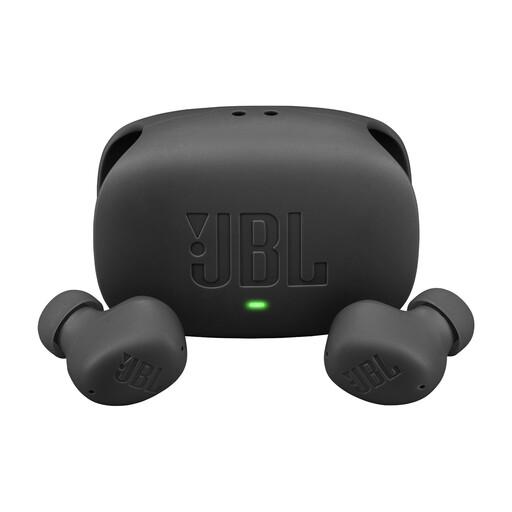
Why it suits this profile: This model combines ANC, Smart Ambient, a microphone and multipoint connectivity. According to the product specifications, the case provides up to 40 hours of total playback when ANC is switched off.
The product information distinguishes between playback time with and without ANC. The IP54 rating is suitable for splashes, not submersion.
12mm drivers, multipoint for two devices, USB-C and a stated playback time of up to 8 hours per charge.
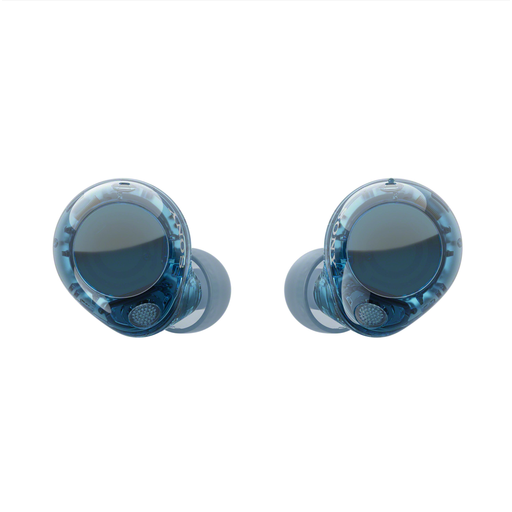
Why it suits this profile: These true wireless earbuds are designed for everyday use, with ANC, multipoint and a compact in-ear fit. According to the product description, total battery life is up to 30 hours with noise cancelling and 40 hours without it.
The battery figures specify both usage scenarios. IPX4 is clearly described as splash protection; the charging case is not automatically water-resistant.
Bluetooth 5.3, AAC/SBC codecs, multipoint, a microphone and fast charging: according to the specifications, 5 minutes of charging provides around 1 hour of listening.
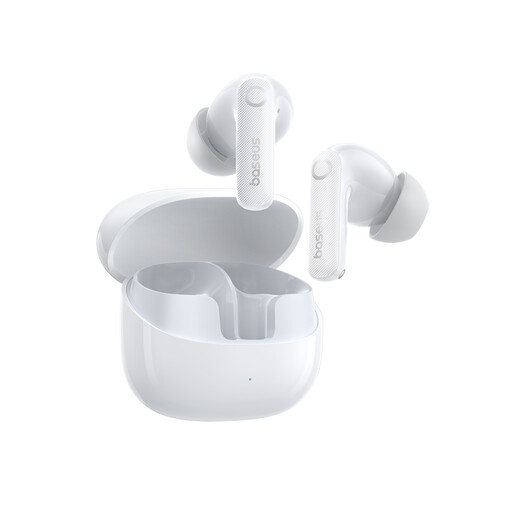
Why it suits this profile: This model is aimed at users who want to combine ANC, long battery life and calls. According to the stated product specifications, it features Bluetooth 5.4, LDAC support and up to 11 hours of listening time at 50 per cent volume.
The stated 55 hours refers to total battery life; the 11 hours is per charge under the conditions listed. IP55 means splash and dust protection, not protection against submersion.
Adaptive hybrid ANC up to the stated value of -50 dB, six microphones for calls and a USB-C charging port.
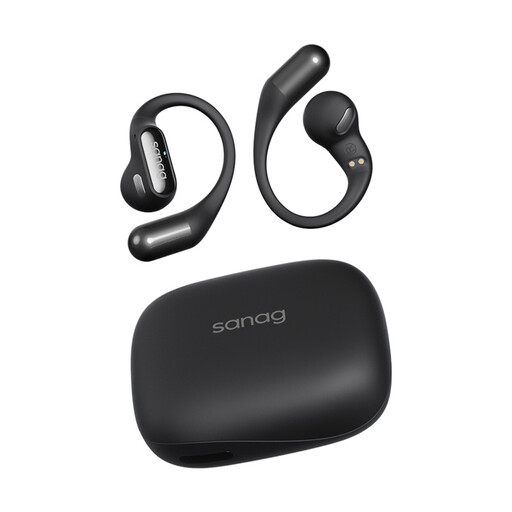
Why it suits this profile: The open-ear design with an ear hook leaves the ear canal unobstructed. Weighing around 5.6 grams per earbud and featuring Bluetooth 5.3 and IPX4, this is an option for running, fitness and commuting.
The design does not completely seal the ear, so you do not have to rely solely on a transparency mode. IPX4 remains limited to splashes and light rain.
Touch controls, ENC for calls and a total battery life of approximately 26 to 48 hours stated in the product specifications, depending on usage.
We have put together a complete, up-to-date list of products that fully meet these strict selection criteria and the applicable European safety regulations.
Yes, Bluetooth earbuds can generally be paired with both Android phones and iPhones. Basic functions such as listening to music and making calls work via Bluetooth. Extra features, such as an equaliser, firmware updates or quick pairing, may depend on the brand and operating system.
Usage time depends on battery capacity, charging habits, volume, temperature and maintenance. The battery becomes less powerful over time. Store the earbuds in the charging case, keep the contact points clean and avoid high temperatures. A model with a replaceable battery is not available for many true wireless earbuds, so battery life remains an important purchasing factor in the long term.
Usually, yes. ANC earbuds use extra energy to electronically reduce surrounding noise. So always compare battery life with ANC switched on and off. When walking or cycling, also use a transparency mode or open-ear design if you need to remain aware of surrounding sounds. Do not keep the volume high for extended periods and do not use earbuds in situations where you need to give your full attention to traffic.
