
Vandaag of morgen in huis

Kwaliteit gegarandeerd

Welkomstaanbiedingen ontgrendelen: GRATIS bezorging | Tot 80% korting | Gratis 30 dagen JoyPlus-proefperiode
Download de app
Wireless earbuds are handy when you’re out and about, at work or exercising. However, a low price can sometimes hide important limitations. A model might offer ANC, for example, but have a mediocre microphone. Or the earbuds may be splash-resistant, while the charging case is not protected against moisture.
So don’t focus only on the Bluetooth version, battery life or promising sound claims. Look instead at the specifications that suit the way you’ll use them. Below, you’ll find the key things to consider, along with some popular options for different listening needs.
ANC, or active noise cancellation, is designed to reduce background noise while you listen. That doesn’t automatically mean your voice will sound clear during a phone call. The microphone position, wind filtering and ENC technology are all important too.
If you make calls regularly, look for earbuds with a microphone and check the information about ENC or the number of microphones. According to product information from various brands, multiple microphones can help reduce background noise during calls, but this doesn’t guarantee the same call quality in every environment.
An IPX5 or IPX6 rating tells you how resistant the relevant part of a product is to water. For many water-resistant earbuds, the rating applies only to the earbuds themselves. The charging case may still need to be kept dry.
IPX5 is generally designed to withstand water jets at limited pressure, while IPX6 is for more powerful water jets. Neither rating makes a product suitable for swimming or submersion. Always check whether the manufacturer specifies the case’s protection separately.
A claim of 28, 35, 40 or 55 hours may refer to the earbuds plus several recharges from the case. Listening time on a single charge is usually shorter. ANC, volume, codec, phone calls and temperature all affect actual battery life.
So check two figures:
Bluetooth 5.1, 5.3, 5.4 or 6.0 mainly tells you about the connection and energy efficiency. A newer version doesn’t automatically mean better sound. Also check compatibility with Android and iOS, whether an app is available, and features such as multipoint or dual-device connectivity.
TWS earbuds work entirely without a cable between the left and right earbuds. To pair them, you’ll usually open the charging case, take out the earbuds and select the product name in your Bluetooth settings.
In-ear models partly seal the ear, which can passively reduce background noise. That’s handy on the train, but less suitable if you need to hear traffic or your colleagues.
Open-ear earbuds sit beside or around the ear, leaving the ear canal unobstructed. They can be a good choice for running or cycling, but generally offer a different listening experience from sealed in-ear models. Bluetooth headphones usually have larger ear cups, a headband and often longer battery life, but take up more space.
A built-in microphone and a good fit are important for calls and online meetings. For mobile gaming, low latency can help keep the picture and sound in sync. For consoles and PCs, a dedicated wireless gaming headset is often more practical, thanks to its larger microphone, USB connection or multiple connectivity options.
Fit is a personal choice. Check whether different sizes of ear tips are included, and clean the charging contacts regularly with a dry cloth. Avoid listening at high volumes for long periods; the safety information for the products mentioned here warns against this.

Why it suits this profile: This in-ear TWS model is designed for everyday listening, calls and commuting. According to the product information, it features Bluetooth 5.1, a USB-C connection and up to 40 hours of total battery life with the charging case.
The specifications list the listening time per earbud separately from the total time with the case. The IPX5 rating means splash and sweat resistance, not suitability for submersion.
4-microphone ENC according to the product description, USB-C and control via the QCY app.
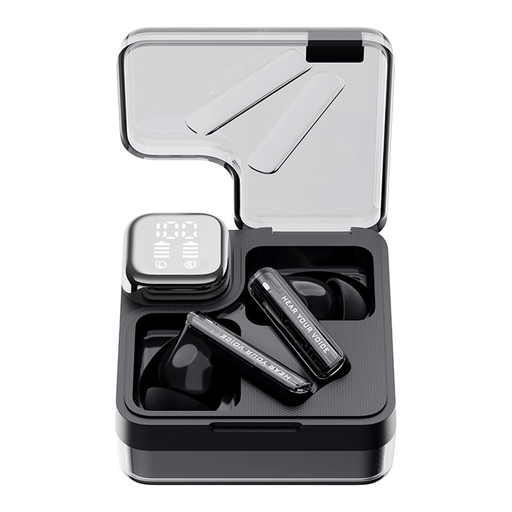
Why it suits this profile: A good choice for listeners who want ANC, an app and low gaming latency in a single pair of wireless earbuds.
The product information distinguishes between ANC for listening and ENC for calls. The charging case is not water-resistant and must be kept dry.
ANC, transparency mode, IPX5 protection for the earbuds, around 28 hours of total listening time and a stated latency of 0.06 seconds.
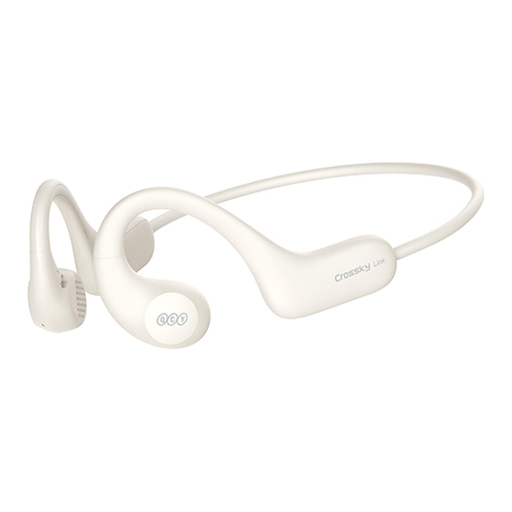
Why it suits this profile: The open-ear design leaves your ear canals unobstructed, so you can hear more of your surroundings while walking, running or cycling.
The product information gives the earbuds an IPX6 rating; full submersion is not recommended. The open design also means ANC won’t filter out background noise.
Bluetooth 5.3, ENC for calls, around 10 hours of use per charge and a weight of approximately 22 grams.
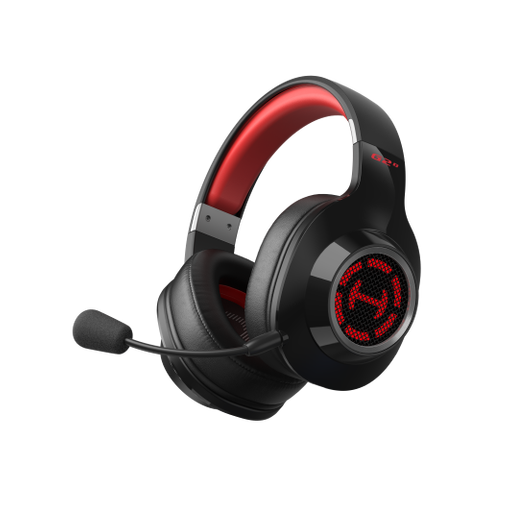
Why it suits this profile: This headset is designed for gamers who want to switch between PC, PlayStation, Switch, phone and a wired connection.
You’re not limited to Bluetooth: according to the product information, USB audio and 3.5mm AUX are also available. Check which input your device supports beforehand.
Bluetooth 5.1, USB and AUX connections, various sound modes, and compatibility with Windows, macOS, PS4, iOS and Android.
We’ve put together a complete, up-to-date list of products that meet these strict selection criteria and current European safety requirements.
Open the charging case and take out the earbuds. Turn on Bluetooth on your Android or iOS device, then select the product name from the list. If pairing doesn’t work, remove any previous connection, charge both earbuds and try again. Some QCY and MINISO models let you set up additional features through an app.
Battery capacity decreases over time. Lifespan depends on how often you charge them, the temperature, volume and conditions of use. Don’t leave your earbuds in direct sunlight for long periods, and use a suitable 5V charger if the safety information recommends one. Also keep the charging contacts dry and clean.
That depends on the fit and IP rating. IPX4 or IPX5 earbuds may be suitable for light exercise. For running in the rain or intense workouts, you could look for a model with a higher rating, such as IPX6, but always check whether the protection applies only to the earbuds. An open-ear model can be practical if you want to stay aware of your surroundings while exercising.
