
Vandaag of morgen in huis

Kwaliteit gegarandeerd

Welkomstaanbiedingen ontgrendelen: GRATIS bezorging | Tot 80% korting | Gratis 30 dagen JoyPlus-proefperiode
Download de app
Wireless Bluetooth sports headphones need to do more than play music. Whether you are running, cycling, working out or commuting, you want a secure fit, plenty of battery life and clear calls. However, some marketing claims can quickly lead shoppers to choose a model that does not suit the way they use it.
The most common pitfalls:
In-ear headphones partially seal the ear canal. This can provide powerful bass and greater sound isolation. For sports, an ear hook or extra-secure fit is useful, particularly during interval training and activities involving a lot of impact.
Open-ear headphones sit outside the ear canal. Some models use an ear hook, while others feature a design that, according to the product description, transfers sound through bone conduction. These models let in more ambient sound, although the listening experience may be different in heavy traffic or strong winds.
Bone conduction headphones or an open-ear model are particularly interesting if you want to stay alert to your surroundings while exercising. However, check that the shape fits your head properly and that the model does not shift during intense movement.
The IP code consists of two digits, or a digit and an X. The first digit refers to protection against solid particles, while the second refers to water. IPX4 generally covers splashing water; IPX5, according to the classification, offers protection against water jets. IP55 combines dust protection with protection against water jets.
For swimming, you need a model whose product information explicitly supports swimming and immersion. For example, the Mojawa RunPlus is offered with IP68 and built-in 32 GB MP3 storage. Always follow the instructions for use: after swimming, the device should be rinsed and allowed to dry completely before you charge it. Bluetooth also does not work in the same way underwater as it does above the surface.
For everyday use, the maximum battery life is not the only factor that matters. Also consider:
Headphones with noise cancellation are not automatically better for sports. This feature can be useful in an office, on a plane or on a train. For running beside a road or cycling, an open design is often more practical, as it does not completely isolate you from your surroundings.
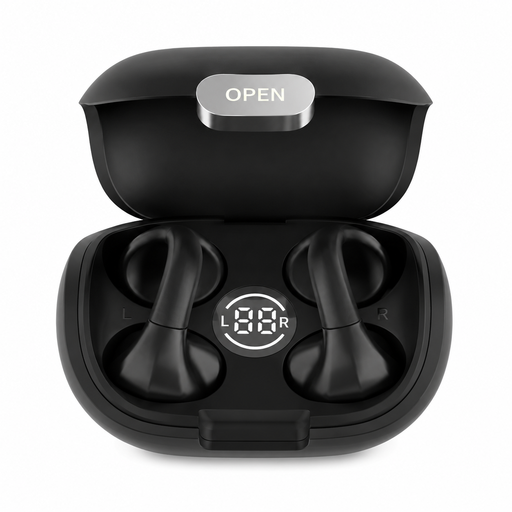
Why it suits this profile: This compact model has an ear hook, Bluetooth 5.4 and a stated playback time of approximately 5 to 7 hours. That makes it suitable for short workouts, travel and everyday use.
The stated battery life is more specific than a general claim about ‘long battery life’. However, the product information does not mention an IP rating, so take extra care when using it in the rain or while swimming.
Bluetooth 5.4, ear-hook design, touch controls and charging case according to the product specification.
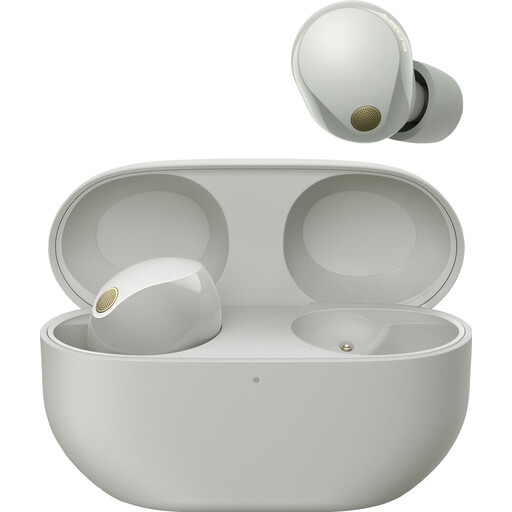
Why it suits this profile: This in-ear model is designed for music, calls and commuting. The product specification lists active noise cancellation, multipoint and an IPX4 rating.
The IPX4 rating makes it clear that this is not a swimming headphone. Active noise cancellation is best suited to controlled environments, not situations where it is important to hear traffic noise.
Up to 24 hours with the charging case according to the product information, multipoint and codecs including AAC, LC3, LDAC and SBC.
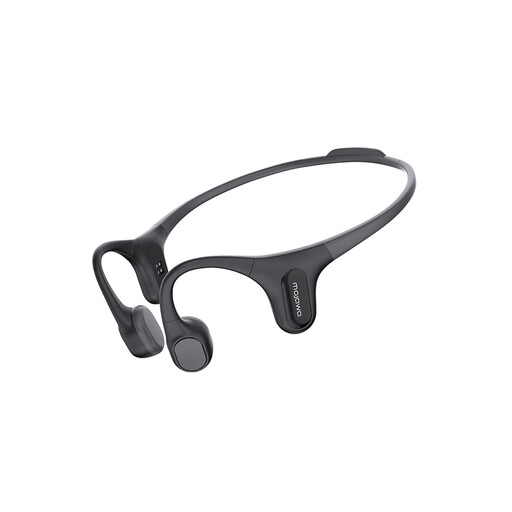
Why it suits this profile: According to the product information, this is an open-ear bone conduction model with IP68, 32 GB of MP3 storage and support for running, fitness and swimming.
The stated IP68 rating and internal storage are relevant when Bluetooth is unavailable during swimming. Always check the official manual before use and dry the product before charging it.
32 GB of storage, IP68 according to the product listing and an open design without traditional in-ear buds.
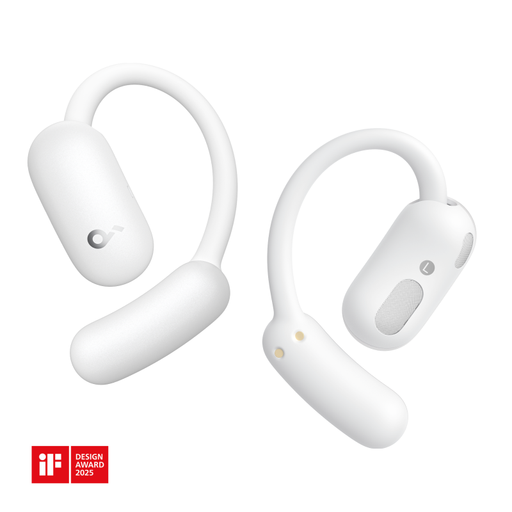
Why it suits this profile: The open-ear design, Bluetooth 5.4, button controls and IP55 rating are well suited to running, fitness, calls and everyday travel.
The open wearing style means you do not have to rely solely on active noise cancellation. IP55 is suitable for sweat and splashing water according to the classification, but not for immersion.
Bluetooth 5.4, two microphones, button controls and IP55 according to the product specification.
We have put together a complete, up-to-date list of products that fully meet these strict selection criteria and the applicable European safety regulations.
Only if the product information explicitly supports swimming and immersion. A model with IPX4, IPX5 or IP55 is not automatically suitable for swimming. Also check whether the device needs to play music from internal storage while swimming, as Bluetooth has limited functionality underwater.
Battery life per charge varies by model and usage conditions. High volume, phone calls and active features can drain the battery more quickly. A charging case can extend the total usage time, but check both the individual playback time and the charging time. Keep the headphones dry and do not charge them while the connections are still damp.
That depends on the route. Noise cancellation can be useful in a gym, on a train or in an office. When running or cycling in traffic, open-ear headphones are often the more sensible choice, as they allow you to remain more aware of surrounding sounds. Also avoid listening at high volume for extended periods and follow local traffic regulations.
