
Vandaag of morgen in huis

Kwaliteit gegarandeerd

Welkomstaanbiedingen ontgrendelen: GRATIS bezorging | Tot 80% korting | Gratis 30 dagen JoyPlus-proefperiode
Download de app
A wireless Bluetooth speaker might seem easy to choose: connect your phone, press play and you’re ready to go. But models vary considerably in size, battery life, protection and sound quality. A compact speaker for a student has different requirements from a Bluetooth party speaker for a garden party.
The most common buying mistakes come down to three pitfalls:
Use the points below to compare a portable Bluetooth speaker based on practical features rather than marketing claims.
Check the stated playback time, but also find out what conditions it applies to. For example, a speaker with long battery life might be listed as playing for 16 or 25 hours, but lighting and higher volume can reduce the actual playback time.
A USB-C port is handy, as you can often use the same cable for your phone and other devices. Some larger models can also double as a power bank. Check that this feature is actually listed in the product details.
These are useful guidelines for everyday use on the go:
An IP rating consists of two digits. The first indicates protection against solid particles such as dust; the second indicates protection against water.
So a waterproof Bluetooth speaker isn’t automatically suitable for salt water, chlorinated water or a high-pressure jet. Make sure the covers over the USB ports are properly closed, and only charge the speaker once it’s dry. Always follow the manufacturer’s safety instructions.
A compact Bluetooth speaker is easy to take with you, but usually has less room for speakers and a larger enclosure. A bigger model can offer more bass and volume, but it also weighs more.
As well as wattage, consider:
A Bluetooth speaker with a higher stated power output isn’t necessarily the right choice for a small room. For outdoor use, coverage, battery life and protection are often more important than wattage alone.
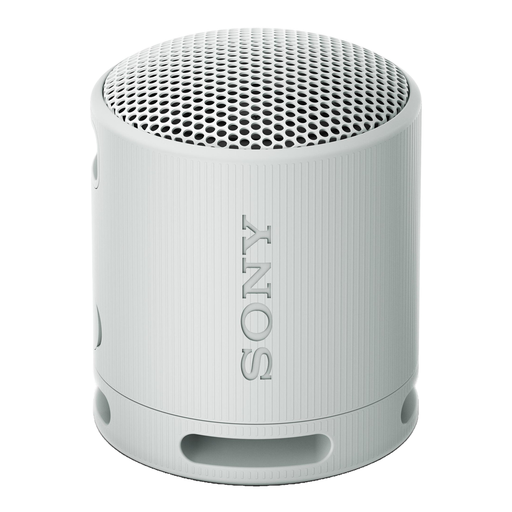
Why it suits this profile: Weighing 274 grams and featuring a carry strap and compact design, this model is well suited to students, train journeys and everyday use.
The product specifications clearly state a 16-hour battery life and IP67 protection, so you know the key usage limits before you buy.
274 grams, USB-C, Bluetooth 5.3, microphone and IP67 rating.
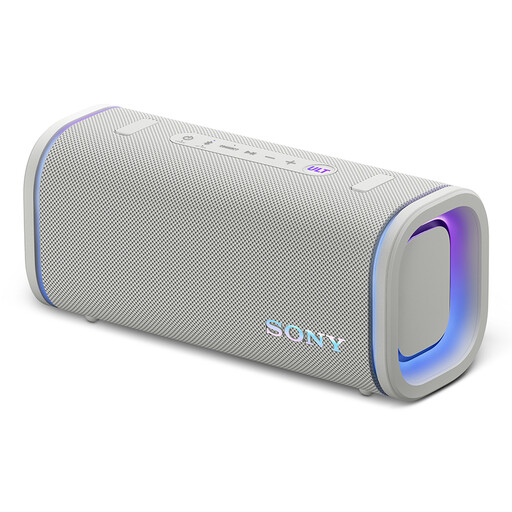
Why it suits this profile: This larger model is a good fit for listeners looking for more volume, bass and adjustment options at home and outdoors.
Its stated 27 W RMS output, two speaker channels and 10-band equaliser offer more detail than a vague claim of “powerful” sound.
Up to 25 hours of battery life, IP67, USB-C and a weight of 3.3 kg.
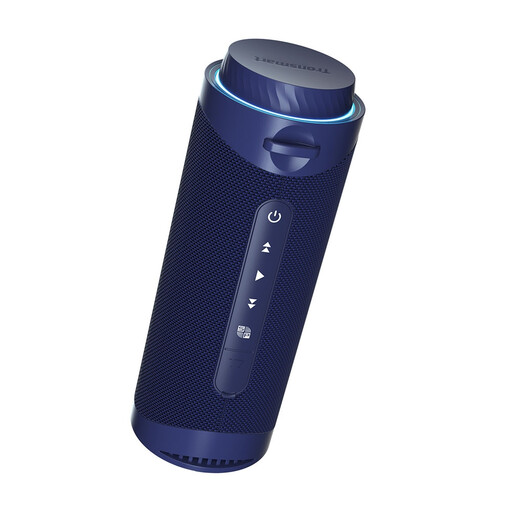
Why it suits this profile: With 30W output, TWS functionality and LED lighting, this model is well suited to outdoor activities and smaller parties.
The product specifications list the IPX7 rating and playback time separately: up to 12 hours without lighting and up to 4 hours with lighting.
30W output, Bluetooth 5.3, IPX7, microSD support and the option to pair two speakers.
We’ve put together a complete, up-to-date list of products that meet these strict selection criteria and current European safety regulations.
Switch on the speaker and activate pairing mode. Then open the Bluetooth settings on your smartphone and select the speaker’s name. Some models support Fast Pair on Android devices. If you can’t connect, check whether the speaker is already connected to another device.
Battery life varies by model and conditions of use. Volume, lighting and phone calls use extra power. A battery rated for 12 to 16 hours is practical for many everyday uses. The battery itself will lose capacity over time, particularly if the speaker is often run completely flat or exposed to high temperatures.
That depends on the IP rating and the conditions. An IP67 or IPX7 model is rated to withstand temporary contact with water, but always check the manual. Avoid prolonged exposure to salt water, chlorine, mud and powerful water jets. A Bluetooth speaker for outdoor use should also be allowed to dry thoroughly after use in damp conditions before you charge it.
