
Vandaag of morgen in huis

Kwaliteit gegarandeerd

Welkomstaanbiedingen ontgrendelen: GRATIS bezorging | Tot 80% korting | Gratis 30 dagen JoyPlus-proefperiode
Download de app
Choosing a wireless Bluetooth speaker might seem simple: connect your smartphone, press play, and you're done. However, models vary greatly in size, sound quality, battery life, and protection against water and dust. A compact speaker for cycling needs different features than a speaker for garden parties.
Marketing copy often emphasises high wattage, deep bass, or a high water-resistance rating. But these claims don't always tell you enough about everyday use. To avoid disappointment, pay close attention to these three common pitfalls before you make a purchase.
A higher wattage doesn't automatically mean a speaker will sound better in every room. The casing, speaker construction, passive radiator, and tuning also affect the sound quality. Therefore, you should check if the manufacturer specifies the RMS power and consider the speaker's size and weight.
A 5W model can be handy for personal use, while a speaker with 27W or 34W RMS is better suited for a larger room or a gathering. According to Sony's own product information, the ULT FIELD 3 has 27W RMS. Edifier states an output power of 34W RMS for the ES60. These figures are verifiable, but they don't tell the whole story of how the speaker will sound in your space.
A waterproof Bluetooth speaker usually has an IP rating. The first digit refers to dust protection, and the second to water protection. For an IP67 rating, this typically means the device is completely dust-tight and protected against temporary immersion under specific conditions, according to the product specifications. An IP66 speaker is protected against powerful water jets, but this is not the same as a model rated for submersion.
Always ensure that any protective covers are properly closed and follow the instructions in the manual. Salt water, chlorinated water, high pressure, and charging while the speaker is wet can all pose risks. An IP rating is not an invitation to leave the speaker in the swimming pool for long periods.
A wireless speaker with a long battery life is often advertised with a figure like 12, 16, or 24 hours. This is usually a best-case scenario. The actual performance depends on the volume, type of music, connection, equaliser settings, and lighting.
Also, take a look at the charging port. USB-C is practical because the same cable is often used for other devices. If you're planning long bike rides, camping weekends, or days at the beach, you might also want to look for a power bank function or a battery indicator.
A compact Bluetooth speaker should fit easily into a bag and not be too heavy. According to its product information, the Sony SRS-XB100 weighs 274 grams and has an adjustable strap. This makes it suitable for attaching to a bag or cycling gear.
Larger models often deliver more volume but also take up more space. The Sony ULT FIELD 3 weighs approximately 1.2 kilograms and is about 25.6 centimetres wide. It's still portable, but less suitable for a small shoulder bag.
Many small models are 1.0-channel and produce mono sound. This is fine for podcasts, radio, and music on the go. If you want a wider soundstage, choose a Bluetooth speaker with stereo pairing. However, check whether you need two identical or compatible speakers to use this feature.
According to their product information, the Edifier ES60 and Edifier ES20 both support pairing two speakers. Sony states that several of its models support pairing with other compatible Sony speakers. This does not automatically mean that speakers from different brands will work together in stereo.
Decide in advance which extras will add real value for you:
The features mentioned are taken from the product descriptions provided by manufacturers and sellers. Performance may vary depending on your phone, app version, and environment.
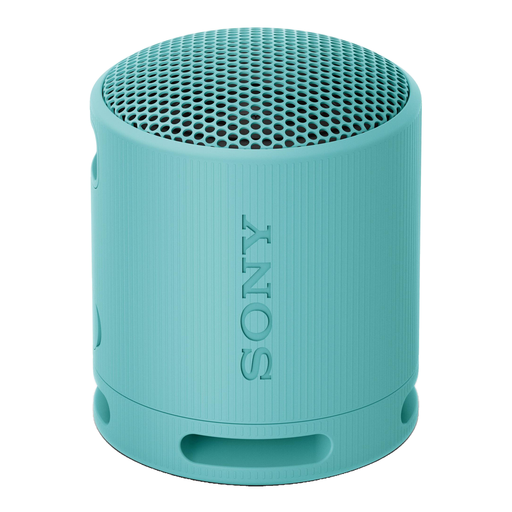
Why it fits this profile: A lightweight model for home, on the go, cycling, or during a picnic. According to Sony's own product information, this speaker offers up to 16 hours of battery life and Bluetooth 5.3.
The choice isn't just about power: the weight, strap, USB-C port, and stated IP67 rating are all clearly listed.
274 grams, up to 16 hours of battery life, Bluetooth 5.3, and an IP67 rating according to the product specifications.
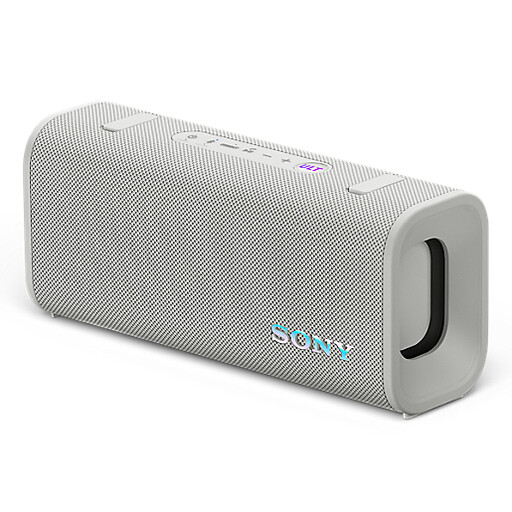
Why it fits this profile: For listeners who want a larger portable speaker with an emphasis on bass, long playtime, and adjustable sound. According to Sony's own product information, this model features ULT POWER SOUND, a 7-band equaliser, and up to 24 hours of battery life.
In addition to a bass mode, the RMS power, weight, dimensions, Bluetooth version, and IP67 rating are all specified.
27W RMS, up to 24 hours of battery life, USB-C, a 3.5mm input, and a weight of approximately 1.2 kilograms.
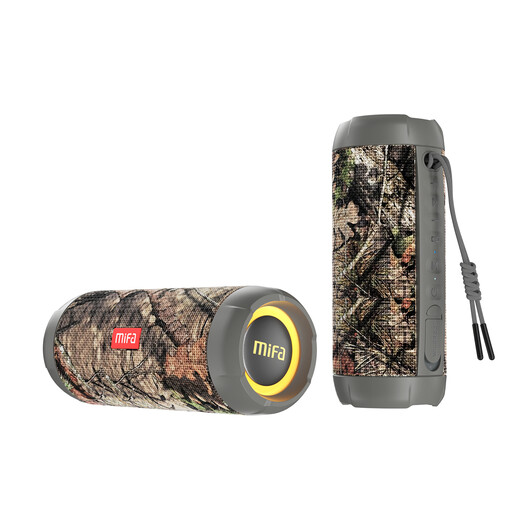
Why it fits this profile: An outdoor speaker for camping, the beach, pool parties, and other situations where dust and water are a factor. According to mifa's own product information, the WildRod supports Bluetooth 5.3 and up to 12 hours of playback.
The product information distinguishes between IP67 dust protection and water resistance, and it specifies clear limits for submersion.
30W audio setup according to the product description, IP67 rating, dual-device pairing, and MicroSD support.

Why it fits this profile: Aimed at home use, gatherings, and outdoor moments where volume, stereo pairing, and controls are important. According to Edifier's own product information, this model offers 34W RMS, Bluetooth 5.4, and up to 9 hours of playback.
The choice isn't just based on lighting or marketing terms: the model lists its RMS power, IP66 protection, and pairing capabilities.
34W RMS, Bluetooth 5.4, simultaneous connection with two devices, and stereo pairing.
We have compiled a complete, up-to-date list of products that fully meet these strict selection criteria and comply with current European safety regulations.
Turn on the speaker and activate pairing mode. Then, open the Bluetooth settings on your smartphone and select the speaker's name. With some Sony models, Android devices support Fast Pair. A speaker can sometimes be connected to two devices at once, but playback may not always be simultaneous.
That depends on the model and how you use it. In our range, the stated values vary from around 8 to 24 hours. Think of this as a maximum estimate. Listening at a high volume, using the lights, and enabling extra features will reduce the playtime. For regular outdoor use, a battery indicator or power bank function is practical.
According to the product specifications, an IP67 speaker is protected against dust and temporary submersion within the specified limits. Make sure the port covers are properly closed, do not charge the speaker when it is wet, and avoid prolonged contact with salt or chlorinated water. Always check the manual for your specific model before using the speaker outdoors.
