
Vandaag of morgen in huis

Kwaliteit gegarandeerd

Welkomstaanbiedingen ontgrendelen: GRATIS bezorging | Tot 80% korting | Gratis 30 dagen JoyPlus-proefperiode
Download de app
A wireless Bluetooth headset might seem straightforward to choose at first glance. Yet models vary greatly in comfort, battery life, noise isolation and suitability for sport. A wireless over-ear headphone for home use has different requirements from Bluetooth earbuds for commuting or a sports headset for cycling.
Pay particular attention to these common pitfalls:
An over-ear headphone completely covers your ear and can block out ambient noise better. On the flip side, such a model can feel warmer and heavier. An on-ear model rests on your ear and is often more compact for on the go.
In-ear Bluetooth earbuds are small and easy to carry, but the fit varies from person to person. An open-ear headphone or bone conduction headset leaves your ears free. That can be practical when cycling or running, when you want to stay aware of surrounding sounds. The sound experience is different from a closed-back headphone.
Look out for:
Always compare the battery life per component. A charging case, for example, can offer several extra charges, while the earbuds themselves only play for a few hours. Also check the charging connection, such as USB-C, and whether fast charging is mentioned.
With the Sony WH-CH520, the product presentation states a playback time of up to 50 hours, while the technical specifications list 40 hours. That difference shows why it’s wise to look at both the product description and the specification table. The Sony models also support multipoint Bluetooth, which, according to the product information, lets you pair two devices, such as a laptop and smartphone.
Active noise cancellation uses microphones and electronics to reduce ambient noise. The result depends on the fit, the environment and the settings used. A headset with noise cancellation is especially useful on the train, in the office or on a flight, but not every user wants to be completely cut off from traffic.
For calls, the number of microphones and the noise filtering applied are relevant specifications. Claims such as “up to -50 dB” or “99.7% less ambient noise” should be read as a statement from the product information. According to MINISO’s own research, the MS106 earbuds can achieve these levels for adaptive noise cancellation; the actual experience may vary by situation.
For cycling and walking, an open design is often more practical than strong isolation. Don’t use the volume at high levels for long periods, and keep paying attention to ambient sounds in traffic.
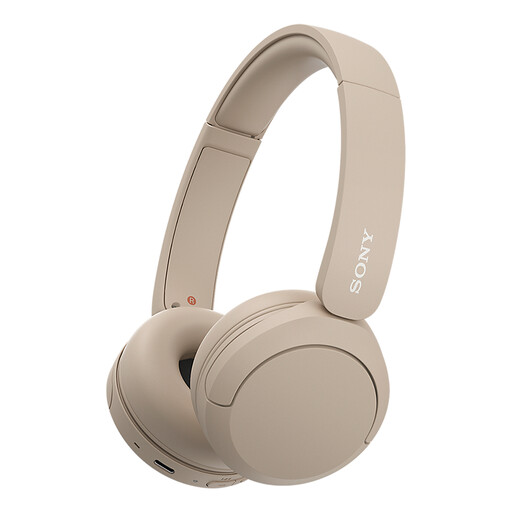
Why this fits the profile: This on-ear model weighs 147 grams, has an adjustable headband and soft ear cushions. That makes it suitable for daily listening, working from home and travelling without having to carry a large over-ear model.
The product information separately mentions the controls, microphone and multipoint connection. Do note the difference between the stated playback time of up to 50 hours and the technical specification of 40 hours.
147 grams, USB-C, microphone and multipoint connection. The beige version is also available in other colours.
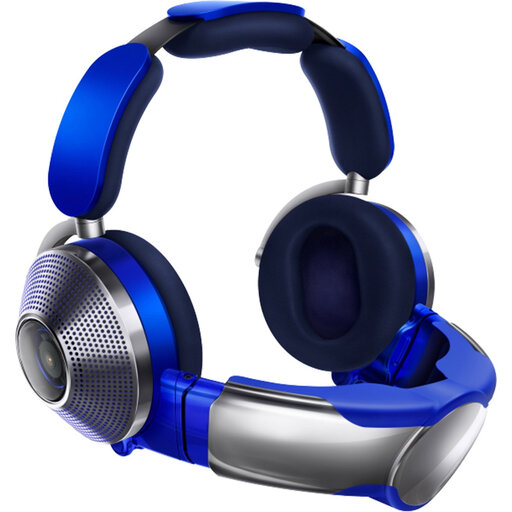
Why this fits the profile: This over-ear model is designed for users who want active noise cancellation, extensive controls and a sturdy build for music and phone calls.
The product details explicitly mention active noise cancelling and an over-ear design. The model is not water-resistant and must not be submerged.
Up to 50 hours of audio with ANC according to the product information, eight mentioned microphones and a USB-C connection.
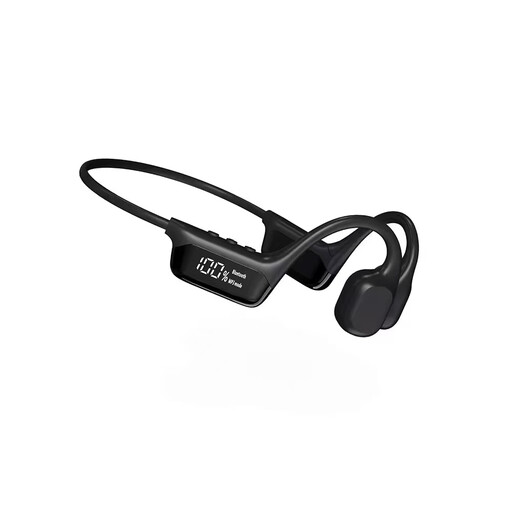
Why this fits the profile: The open-ear design with ear hook is aimed at running, cycling and other sports use. The product description mentions Bluetooth 5.3, multipoint connection and a swimming mode.
The product information mentions an open design rather than full ear sealing. When swimming, you must follow the indicated mode and instructions; make sure the charging port is completely dry before charging.
Bluetooth 5.3, ear hook, open-ear sports design and a stated weight of 80 grams.
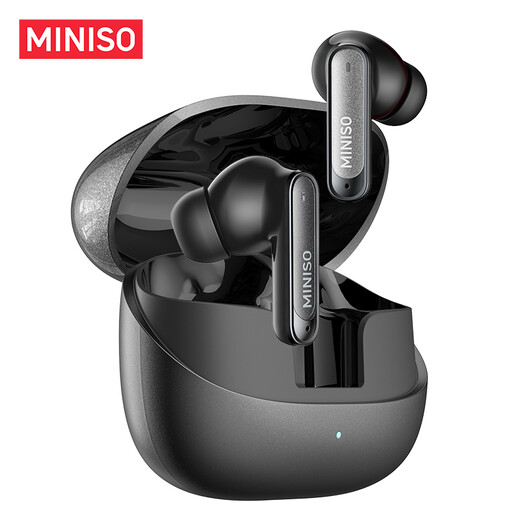
Why this fits the profile: These true wireless earbuds combine a charging case, touch controls, microphones for calls and a stated IPX5 rating for daily exercise and commuting.
The product information mentions IPX5 as protection against water and sweat, not as suitability for submersion. The noise cancellation figures come from the brand description and are not a guaranteed user outcome.
Stated total battery life of 55 hours, IPX5 rating and six mentioned microphones for calls.
We’ve put together a full, up-to-date list of products that fully meet these strict selection criteria and comply with current European safety regulations.
Turn on the headset, open the Bluetooth settings on your smartphone and select the product name. With true wireless earbuds, pairing often happens via the charging case. If the connection doesn’t work, remove the device from the Bluetooth list and try again. Also check that the headset isn’t already connected to another device.
The usage time per charge is usually stated in the product specifications. The overall lifespan also depends on charging cycles, storage, temperature and daily use. Store a model in a dry place, avoid prolonged exposure to heat and charge it with the supplied or suitable cable. For sports models, sweat and water must be removed according to the care instructions.
Not necessarily. A good fit can already reduce a lot of ambient noise. ANC is especially useful for constant background noise, such as train engines or aeroplanes. For cycling and walking, an open-ear design may be more suitable, because you can better keep hearing relevant sounds in your surroundings.
