
Vandaag of morgen in huis

Kwaliteit gegarandeerd

Welkomstaanbiedingen ontgrendelen: GRATIS bezorging | Tot 80% korting | Gratis 30 dagen JoyPlus-proefperiode
Download de app
A pair of wireless Bluetooth headphones may seem like an easy choice on paper. In practice, however, many models disappoint. Battery life can be shorter when active noise cancellation is enabled, ear cushions may become warm during long train journeys, and a sports model may not stay securely in place while running. Terms such as “AI”, “Hi-Res” and “noise cancelling” only mean something when you know which specifications support them.
In this buying guide, you’ll discover what to look for in Bluetooth headphones for music, calls, travel, work, gaming or sport.
Manufacturers often quote the maximum playback time, but this figure usually applies under specific conditions. ANC, high volume, codec use and phone calls can reduce actual battery life. So check whether the battery life is stated with noise cancellation switched on or off.
Headphones with long battery life are useful for commuting and travelling, but it’s also worth looking at fast charging. A few minutes of charging may give you enough power for an extra listening session when you’re in a hurry.
ANC headphones use microphones and electronics to reduce surrounding noise. This generally works best with constant low-frequency sounds, such as the noise of a train, aeroplane or air conditioning. Voices, bicycle bells and sudden noises may still be audible.
Figures such as “-45 dB” or “-50 dB” are brand or product claims. According to the relevant brand’s own research, the results may have been measured under laboratory conditions. Treat this figure as a product specification rather than a guarantee that you’ll have the same experience in every environment.
Over-ear headphones surround the ear, which can make them comfortable for long listening sessions. On-ear headphones rest on the ear and are often more compact, but some users may find that they create pressure more quickly. For sport, ear-hook, open-ear or bone conduction headphones may be more suitable than a heavy model with large ear cups.
Pay attention to the weight, headband adjustability and shape of the ear cushions. Comfortable headphones depend not only on the materials used, but also on the width and clamping force.
Bluetooth 5.x provides a modern foundation for wireless listening, but the version alone does not automatically determine sound quality. Also check:
Compare playback time under the same conditions. A model with ANC switched on may run for considerably less time than when ANC is disabled. Also check whether charging is via USB-C and whether a charging cable is included.
Look out for discrepancies between the marketing copy and the technical table. Some versions of the Sony WH-CH520, for example, quote up to 50 hours, while a technical specification states 40 hours. If in doubt, use the current information on the product page as your point of reference.
Sports headphones are not automatically suitable for swimming. An IPX rating indicates the type of water exposure the product has been tested against, but the exact meaning varies by level. Always check the official instructions for use.
A model advertised for swimming may also require a special MP3 or internal storage mode. Bluetooth does not work underwater in the same way as it does above water. Also make sure that the charging port is completely dry before connecting the product.
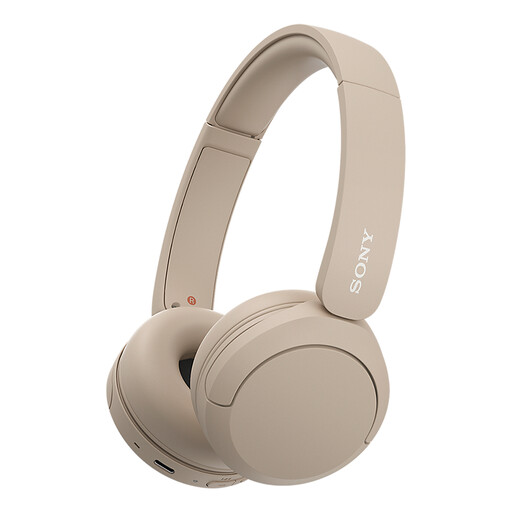
Why it suits this profile: Lightweight on-ear headphones for everyday listening, working from home and travelling. The stated weight is 147 grams, while multipoint makes switching between a smartphone and laptop practical.
The product information clearly states the on-ear design, weight and multipoint function. Do note the difference between the quoted maximum playback time and the technical battery specification.
147 grams, USB-C, microphone, AAC/SBC codecs and support for the Sony Headphones Connect app.
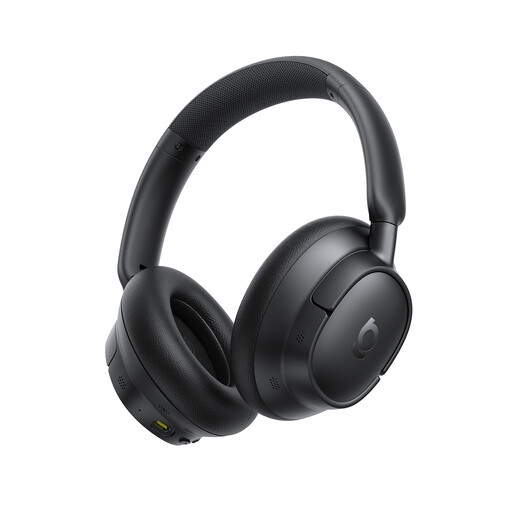
Why it suits this profile: Over-ear headphones for travelling, working and long listening sessions. The product description mentions hybrid ANC, LDAC and battery life of up to 80 hours without ANC.
Battery life is listed separately with ANC off and ANC on. The claim of up to -45 dB comes from Baseus’s product description and is not a universal guarantee.
Over-ear fit, LDAC support, five microphones according to the product description, and fast charging: 10 minutes provides up to 10 hours of use.
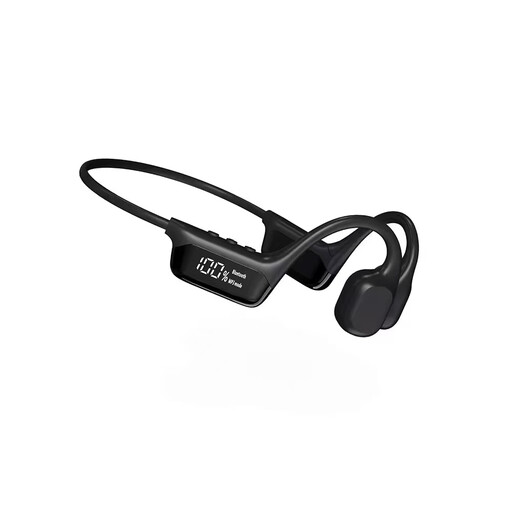
Why it suits this profile: The open-ear design with ear hook is intended for running, cycling and other activities where you want to remain aware of your surroundings.
The open design means your ears are not fully covered. For swimming, you must follow the specified mode and drying instructions; Bluetooth alone is not sufficient for this.
Bluetooth 5.3 according to the product information, multipoint, ear-hook design and a stated weight of 80 grams.
We’ve put together a complete, up-to-date list of products that fully meet these strict selection criteria and the applicable European safety regulations.
Bluetooth headphones will generally last longer if you store them somewhere dry, avoid forcing the hinges and clean the ear cushions regularly with a soft, dry cloth. Charge a built-in lithium battery with a suitable USB-C charger, and do not use the product if the battery swells, leaks or becomes unusually hot.
Turn the volume down before you start and take breaks during long listening sessions. Do not use closed-back noise-cancelling headphones while cycling, driving or in other situations where it’s important to hear surrounding sounds.
Switch on Bluetooth on your smartphone, turn on the headphones and activate pairing mode. Then select the product name from the list of available devices. With models featuring Fast Pair or Swift Pair, the initial connection may be faster on compatible devices.
This varies by model and usage. ANC, volume and calls affect playback time. In the product selection, the stated figures range from approximately 40 to 100 hours, but always check whether this was measured with ANC switched on or off.
They can be, but quality depends on the microphones, software and environment. Look at the number of microphones and any noise-reduction features for calls. According to a brand’s own research, such features may improve speech clarity; the practical result varies depending on the situation.
