
Vandaag of morgen in huis

Kwaliteit gegarandeerd

Welkomstaanbiedingen ontgrendelen: GRATIS bezorging | Tot 80% korting | Gratis 30 dagen JoyPlus-proefperiode
Download de app
A wireless Bluetooth headset can seem suitable for music, calls, travel or sport at first glance. However, models vary considerably in comfort, battery life and protection against moisture. A low price also says little about the user experience if the fit is poor or the microphone struggles in a busy environment.
The following three pitfalls are common:
First, choose between an over-ear, on-ear, in-ear or open-ear design.
Do not just consider the weight. Also check whether the headband is adjustable, whether the ear cushions are soft and whether an ear hook puts pressure on your ear.
A Bluetooth version such as Bluetooth 5.2 or 5.3 provides information about the connection technology used, but does not by itself indicate how stable the connection will be in every home or on every train. Walls, other devices and distance all affect the result.
Multipoint is useful for the office and working from home. According to the product description, it allows headphones to connect to two devices, such as a laptop and smartphone. The Sony WH-CH520 and Sony ULT WEAR list this feature.
Also check codec support. AAC, SBC and LDAC partly determine how audio is transmitted, but the final quality also depends on your smartphone, streaming service and settings.
Compare battery life on a like-for-like basis. Some specifications state the maximum playback time without active features, while others provide a separate figure for use with noise cancelling. For example, the Sony ULT WEAR lists up to 30 hours with noise cancelling and up to 50 hours as its general battery life, according to the product specifications.
For calls, you need headphones with a microphone, but the number of microphones is not the only factor. Wind, traffic and the position of the microphone affect how clearly you can be heard. Claims about noise reduction should be treated as information from the product description or based on the brand’s own testing, rather than a guarantee for every environment.
An IP rating is important for sport:
A model with IPX4 or IPX5 is not automatically suitable for swimming. Always follow the safety information and keep charging ports dry.
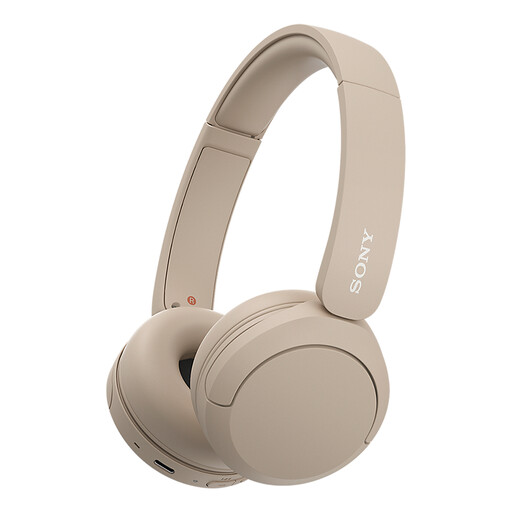
Why it suits this profile: This lightweight on-ear model is suitable for everyday listening, working from home and commuting. According to the product information, it features a microphone, multipoint and USB-C.
The product specifications state concrete figures for weight, Bluetooth and battery life. Do bear in mind that, according to the description, these headphones are not water-resistant.
147 grams, multipoint connection, built-in microphone and support for USB-C charging.
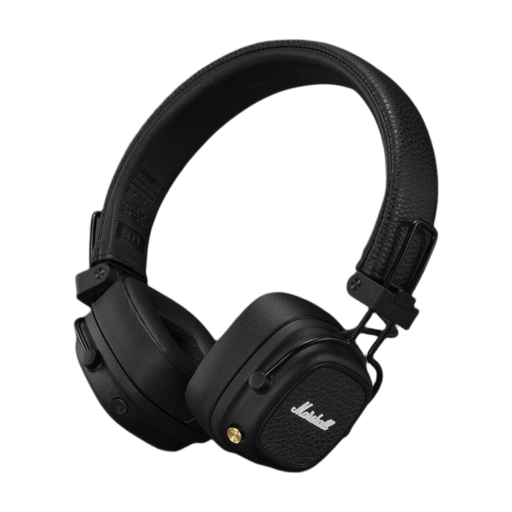
Why it suits this profile: For anyone who values music, portability and a very long stated playback time. According to the product description, this model supports Bluetooth 5.3, multipoint and both wireless and wired use.
The stated battery life and fast-charging time are clearly specified. As the model is not water-resistant according to the safety information, it is less suitable for intensive outdoor exercise.
According to the product description, more than 100 hours of playback, 15 hours of additional use after 15 minutes of charging and a 3.5 mm jack.
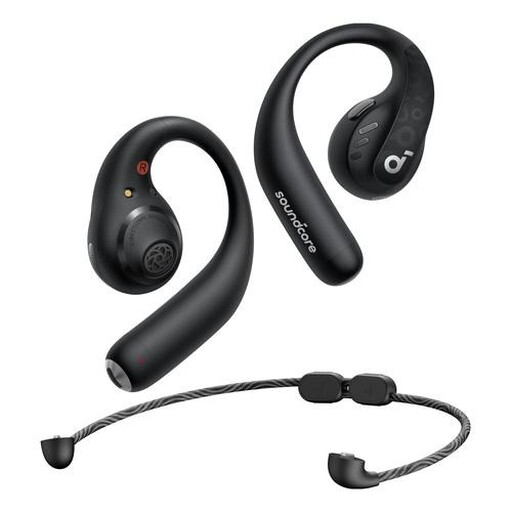
Why it suits this profile: The ear hook is designed for sport, everyday use and calls. According to the product description, it features Bluetooth 5.3, IPX5 and on-ear controls.
The IPX5 rating provides more reassurance for sweat and light rain than a model without a stated level of protection. IPX5 does not mean that the product is suitable for submersion.
Ear-hook design, 14 hours of continuous playback according to the product information, IPX5 and support for AAC, LDAC and SBC.
We have put together a complete, up-to-date list of products that fully meet these strict selection criteria and the applicable European safety regulations.
First, charge the headphones and activate Bluetooth on your smartphone. Put the headphones into pairing mode and select the product name from the list of available devices. The next time you connect, this will often happen automatically. If it does not work, remove the old pairing and restart both devices.
That depends on the model, volume, phone calls and features such as active noise cancelling. Therefore, check both the stated playback time and any separate figure with noise cancelling switched on. A charging case for wireless earbuds extends the total usage time, but the earbuds themselves still need to be recharged periodically.
Yes, provided the model has a built-in microphone. Also check whether the manufacturer provides information about microphone noise reduction, multipoint and compatibility with your laptop or smartphone. Headphones with a microphone are practical for conversations, but clarity can vary depending on the room and background noise. Keep the volume moderate and take regular breaks when listening for long periods.
