
Vandaag of morgen in huis

Kwaliteit gegarandeerd

Welkomstaanbiedingen ontgrendelen: GRATIS bezorging | Tot 80% korting | Gratis 30 dagen JoyPlus-proefperiode
Download de app
A wireless Bluetooth headset may seem straightforward to choose: select a model with good reviews, long battery life and, perhaps, noise cancelling. However, small differences in design and product specifications can have a major impact on everyday use. Headphones that are comfortable during a train journey are not necessarily suitable for running or cycling.
In this buying guide, we explain what to look for in Bluetooth earbuds, wireless earbuds, sports headphones and over-ear models. Our recommendations are based on verifiable information from the available product specifications.
Brands often state the maximum playback time under specific conditions. For earbuds, this may sometimes refer to the total playback time including the charging case, while for headphones it may indicate playback time per charge. Features such as active noise cancellation, higher audio quality and phone calls can also reduce battery life.
So pay attention to:
According to the product specification, the Samsung Galaxy Buds4 Pro offer up to 6 hours with ANC and 7 hours without ANC. With the case, total playback time is 26 and 30 hours respectively. This is a different method of measurement from that used for over-ear headphones with a single internal battery.
An IP rating consists of two numbers. The first refers to protection against dust, while the second refers to water. IP54, for example, means protection against limited dust ingress and water splashes, but not against immersion. IP57 is suitable for temporary immersion under specified conditions, but that does not mean that use in a swimming pool is recommended in every case.
Always check:
According to the product specification, the JBL Wave Buds 2 have an IP54 rating, while the case is rated IPX2. This makes them suitable for rain and everyday use, but not for swimming. According to the product specification, the Samsung Galaxy Buds4 Pro have an IP57 rating, while the product information also warns against using them underwater for swimming.
An in-ear model seals the ear canal, which can help block out more surrounding noise. Open-ear headphones or bone conduction headphones leave the ears unobstructed. This can be useful when cycling, running or walking, when you want to remain aware of your surroundings. However, surrounding noise can affect how clearly you hear your music.
Also consider the weight and how the headphones are secured. An adjustable headband, soft ear cushions, an ear hook or a neckband can improve wearing comfort. Check whether the model is suitable for use with glasses, a helmet or intensive movement.
A higher Bluetooth version number is not, by itself, a guarantee of a better listening experience. Above all, check whether the headphones connect to your phone, tablet and laptop, and whether multipoint is supported. With multipoint, two devices can be connected at the same time, allowing you to switch from music on a laptop to a phone call, for example.
According to the product specification, the Sony WH-CH520 supports Bluetooth 5.2, AAC and SBC, and includes multipoint. The JBL Wave Buds 2 also support multipoint, Google Fast Pair and Microsoft Swift Pair according to the product information.
A frequency range such as 20 Hz to 20 kHz describes the technical range, but it does not, on its own, determine how music sounds. The driver, fit, equaliser and codec used also play a role. LDAC, AAC and SBC are different ways of transmitting Bluetooth audio. Check whether your smartphone supports the codec you want to use.
Noise cancelling uses electronics to reduce surrounding noise. According to JBL’s own information, the Wave Buds 2 feature Active Noise Cancelling and Smart Ambient. According to the product specification, the Samsung Galaxy Buds4 Pro have adaptive ANC. Performance may vary depending on the environment, fit and device. Treat such brand claims as product features rather than a guaranteed result in every situation.
Headphones with long battery life are practical for commuting, travelling and working from home. However, check the stated capacity and usage time. The Sony WH-CH520 is described as offering up to 50 hours in the product description, while the specifications table states 40 hours. This discrepancy is a reason to check the current product page and accompanying documentation before buying.
Charge a lithium battery using suitable accessories, keep earbuds in their case and only charge a wet device once it is completely dry. Use a safe volume level and take regular breaks when listening for extended periods.
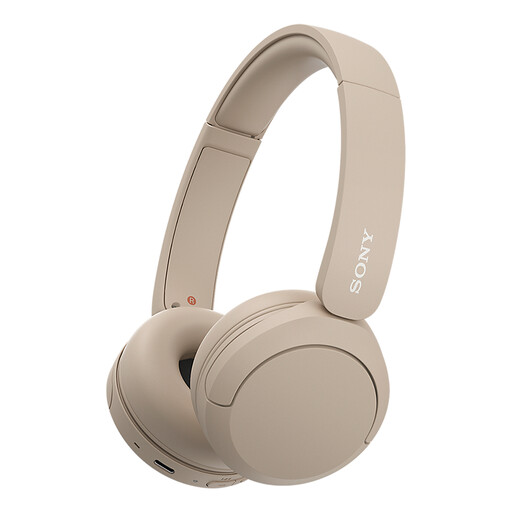
Why it suits this profile: This lightweight, 147-gram on-ear headset is designed for music, podcasts and calls during everyday use. The adjustable headband and multipoint function are practical for switching between your phone and laptop.
The product specification clearly highlights the battery-life discrepancy: check the current stated usage time before ordering. This model is not water-resistant.
147 grams, USB-C, microphone, AAC/SBC and multipoint connectivity.

Why it suits this profile: According to the product specification, this in-ear model combines a two-way speaker system, ANC, 360 Audio, six microphones and wireless charging.
The IP57 rating should not be interpreted as meaning the earbuds are suitable for swimming. The product information states that the earbuds are splash-resistant and not intended for swimming.
Bluetooth 6.1, 24-bit/96 kHz according to the product specification, ANC, Auto Switch-like multipoint functionality, and USB-C plus Qi charging.
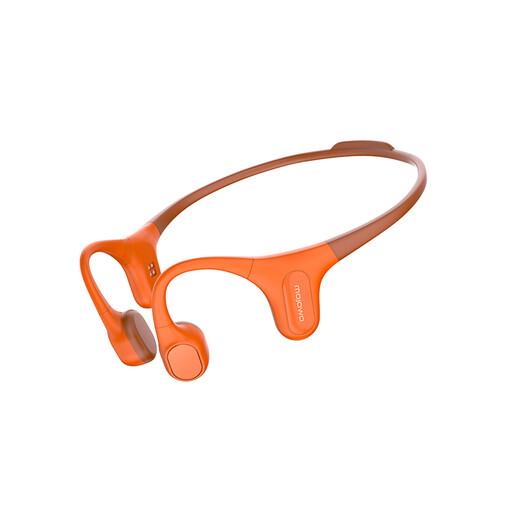
Why it suits this profile: This bone conduction headset has an open-ear design and 32 GB of built-in storage. According to the product name and product specification, it is offered for running, cycling, fitness and swimming.
The product information states an IP68 rating. However, follow the usage warnings: rinse the headphones after contact with salt water, allow them to dry completely and do not charge the device while it is damp.
Open-ear wearing style, 32 GB of storage and a design focused on sport and water use according to the product specification.

Why it suits this profile: According to the product information, these over-ear headphones feature 40mm drivers, hybrid ANC, LDAC and dual-device connectivity. Stated battery life is up to 100 hours without ANC.
The product page distinguishes between 100 hours without ANC and 48 hours with ANC. The IPX2 rating also means protection against water splashes only.
Up to 100 hours of stated playback time without ANC, LDAC, replaceable ear cushions and fast charging.
We have compiled a complete, up-to-date list of products that fully meet these strict selection criteria and the applicable European safety regulations.
First charge the headphones, switch on Bluetooth on your phone and put the product into pairing mode. Then select the product name from the Bluetooth list. Features such as Fast Pair or Swift Pair can speed up pairing on compatible devices. If the connection does not work, remove an old pairing and try again.
Battery capacity decreases over time. Battery life depends on volume, ANC, calls, codec and temperature. A model with a high stated battery life may therefore not last as long in every situation. Keep the headphones dry, avoid extreme heat and use a suitable USB-C charger.
Bluetooth audio does not use mobile data when you play music stored locally. Streaming does use data through your phone. The main recurring costs are usually the electricity needed for charging and possible replacement when the built-in battery loses capacity after prolonged use. Also check whether earbuds, charging cases or ear cushions are available separately.
