
Vandaag of morgen in huis

Kwaliteit gegarandeerd

Welkomstaanbiedingen ontgrendelen: GRATIS bezorging | Tot 80% korting | Gratis 30 dagen JoyPlus-proefperiode
Download de app
A wireless Bluetooth headset may seem easy to choose. However, models vary considerably in comfort, battery life, sound isolation and possible uses. Headphones that are comfortable on a train journey may not be suitable for running or gaming.
Marketing terms can make comparisons difficult. “Noise cancelling”, “AI audio” and “long battery life” only mean something when it is clear how the feature has been implemented and under which conditions the measurement applies. These points will help reduce the risk of making the wrong purchase.
A quoted playback time often applies under specific conditions, such as at a particular volume and with ANC switched off. With noise-cancelling headphones, battery life may be lower when active noise cancellation is enabled.
Therefore, check:
Bluetooth 5.3, Bluetooth 5.4 and Bluetooth 6.0 provide information about the wireless connection, but they do not determine sound quality on their own. The audio codecs, speakers, microphones and software used also play a role.
A newer Bluetooth version does not automatically mean better sound. Also check support for AAC, SBC or LDAC, the connection range and compatibility with your phone, laptop or tablet.
ANC headphones can reduce background noise, but they are not equally effective against every type of sound. Constant low-frequency noise, such as the rumble of a train or aeroplane, is generally easier to reduce than voices or sudden sounds. On models with “sound isolation”, the term may also refer to passive blocking rather than active noise cancellation.
Look out for the difference between:
Over-ear headphones completely surround the ear. This can help with comfort and passive sound isolation, but the model is usually larger and warmer during extended use. On-ear headphones rest on the ear and are often lighter and easier to carry.
Open-ear and bone-conduction models leave the ear unobstructed. This can be practical when cycling, walking or working in an environment where you still want to hear surrounding sounds. Sound reproduction and bass performance may differ from that of closed-back ear cups.
For daily commuting, a model offering several hours of playback per charge is often sufficient. For travelling, office work or long listening sessions, long battery life may be more convenient. Also check whether charging is via USB-C or a magnetic cable.
A charging case is particularly important for Bluetooth earbuds and wireless earbuds. Check the case capacity and how the remaining battery level is displayed.
With a multipoint connection, headphones can remain paired with two devices, such as your laptop and smartphone. However, check whether the model switches automatically or whether you have to do this manually.
For phone calls, the number of microphones, wind-noise reduction and microphone placement are relevant. Claims about “AI-clear calls” come from brands’ product descriptions. Treat them as a stated feature rather than a guarantee of the same call experience in every environment.
The following selection is based on the stated product specifications and usage scenarios. Always check the current product page, included accessories and warranty conditions before buying.
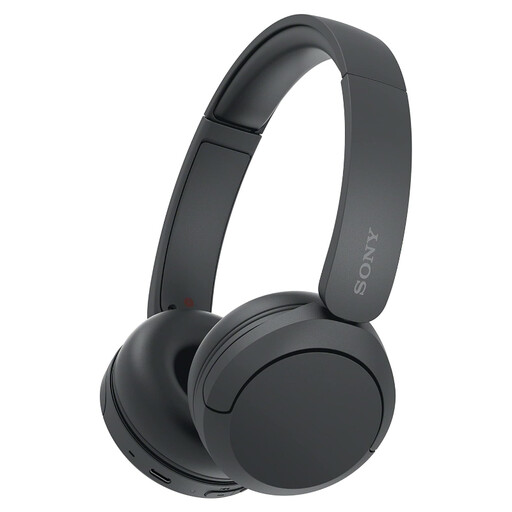
Why it suits this profile: This lightweight on-ear model is designed for everyday use and listening on the go. The adjustable headband, buttons on the ear cup and multipoint function make it easy to operate.
The product information specifies Bluetooth, AAC/SBC, multipoint and USB-C. This makes key connection and charging details clearer than in an offer containing only general marketing terms.
Listed weight of 147 grams; multipoint connection; USB-C; stated battery life of up to 50 hours on the product page.
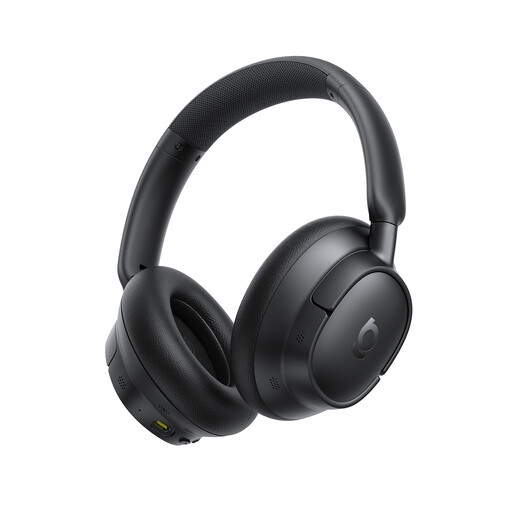
Why it suits this profile: According to the product description, this over-ear model is designed for travelling, work and extended listening. The combination of ANC, LDAC and multiple microphones is well suited to users looking for more adjustment options.
According to Baseus’s own information, the stated playback time is up to 80 hours without ANC and 55 hours with ANC. This distinction makes the battery claim easier to interpret.
Hybrid ANC with stated reduction of up to -45 dB; LDAC support; five microphones; Bluetooth 6.0 according to the product description.
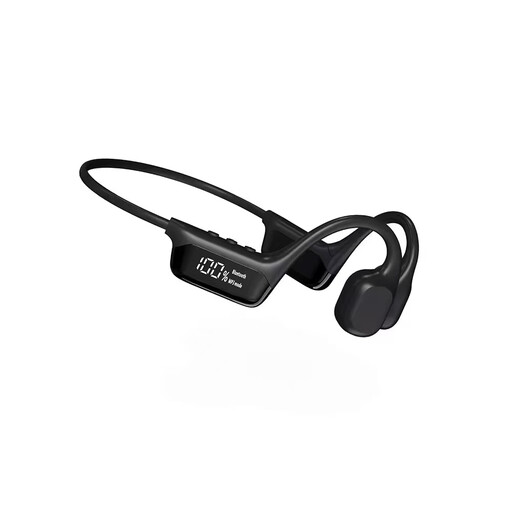
Why it suits this profile: The open-ear bone-conduction design is aimed at swimming, running, cycling and office work. It is a specialist choice for users who do not want to completely cover their ears.
The instructions mention a separate swimming or MP3 mode and warn that the charging port must be dry. Do not therefore automatically use the model in Bluetooth mode while swimming.
Bluetooth 5.3; internal storage according to the product information; multipoint connection; stated maximum battery life of 8 hours.
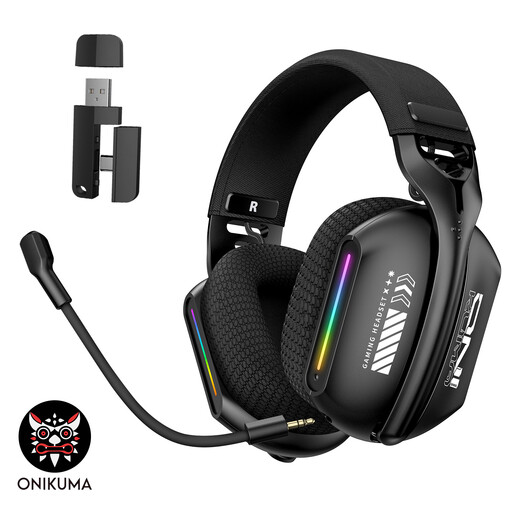
Why it suits this profile: According to the product information, this gaming headset supports Bluetooth 5.3, 2.4 GHz wireless and a wired connection. This offers flexibility for PCs, laptops and other devices.
The three connection modes reduce reliance on a single wireless standard. For competitive gaming, it is still sensible to check the stated latency and compatibility for each device.
Bluetooth, 2.4 GHz and wired mode; adjustable headband; soft memory-foam ear cushions; swivel microphone.
We have put together a complete, up-to-date list of products that fully meet these strict selection criteria and the applicable European safety regulations.
Use this quick checklist before adding a model to your basket:
First charge the headphones, switch on Bluetooth on your phone and put the model into pairing mode. Then select the product name from the Bluetooth list. With some Bluetooth earbuds, you first need to place both earbuds in the charging case or use an app.
This varies by model and usage. ANC, high volume, phone calls and lighting can reduce playback time. Therefore, do not look only at the maximum battery life; also check playback time with ANC and the charging time.
They can be, particularly when you want to reduce constant background noise. Check whether the model has a transparency mode if you need to continue hearing conversations, announcements or traffic. Also keep the volume at a safe level and take regular listening breaks.
