
Vandaag of morgen in huis

Kwaliteit gegarandeerd

Welkomstaanbiedingen ontgrendelen: GRATIS bezorging | Tot 80% korting | Gratis 30 dagen JoyPlus-proefperiode
Download de app
Wireless Bluetooth headphones may seem easy to choose, but models can vary considerably. A pair that’s comfortable for your commute may not be right for running or long video calls. So don’t focus only on the brand, colour or eye-catching claims on the packaging.
Noise cancelling can mean different things. Active noise cancellation (ANC) uses electronics to reduce background noise. Other models rely solely on passive sound isolation, provided by closed ear cups or a snug fit. Check whether the product specifications specifically mention “active noise cancelling”.
With open-ear headphones, bone-conduction headphones or clip-on earbuds, you can usually hear more of what’s going on around you. That can be useful when walking or exercising, but your music will feel less isolated on a busy train.
A quoted battery life often applies under specific conditions, such as at a lower volume or with extra features switched off. Headphones with noise cancelling may have a different playback time with ANC on than with it off. So check:
Long battery life is especially useful for travelling and working in the office, but a lighter sports model with a shorter playback time may be more comfortable to wear.
Comfortable headphones should suit the shape of your ears and how you plan to use them. Over-ear headphones surround your ears, while on-ear headphones rest on them. Ear hooks or a clip-on design can provide extra stability when you’re moving, but they won’t feel the same for everyone.
Also consider the weight, adjustability, materials and pressure around your ears. “Ergonomic” isn’t a set standard, so focus on the specific information about the fit and dimensions.
Bluetooth 5.2, 5.3 or 5.4 doesn’t automatically mean better sound quality. Depending on your phone and the profile used, the connection may be more efficient and stable. For everyday use, it’s most important that your headphones pair quickly and don’t keep losing their connection.
Multipoint lets you connect to two devices at once, such as a laptop and smartphone. This is handy in the office, but check that the feature is explicitly listed in the product information.
If you make lots of calls, look beyond the simple claim “headphones with microphone”. The number and position of the microphones, as well as any noise reduction for calls, can make a difference. The product description says the TALIX G1 has a four-microphone array. The Soundcore C40i is listed as having two built-in microphones.
These specifications give you an indication, but they don’t guarantee that your voice will sound clear in every busy environment. Also check whether the controls let you answer and end calls and adjust the volume.
Water-resistant headphones should have a clear IP rating. IPX4 generally means protection against splashes, such as sweat or light rain. It doesn’t mean the headphones can be submerged. According to the product specifications, IPX5 offers protection against water jets, but that doesn’t automatically make a product suitable for swimming either.
If you plan to swim, pay close attention to the usage instructions. A Bluetooth connection doesn’t work in the same way underwater. Only use a designated swimming or MP3 mode if the manufacturer recommends it, and don’t connect a charging cable until the charging port is completely dry.
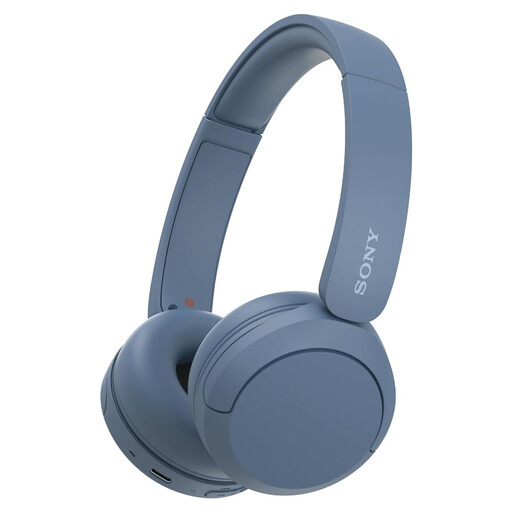
Why it suits this profile: This lightweight on-ear model is designed for everyday listening and calls, and for use with a smartphone or laptop.
The specifications list a microphone, multipoint and an adjustable headband. Bear in mind that this model isn’t water-resistant and doesn’t have active noise cancellation.
147 grams, Bluetooth 5.2, USB-C and a quoted battery life of up to 40 hours in the specifications.
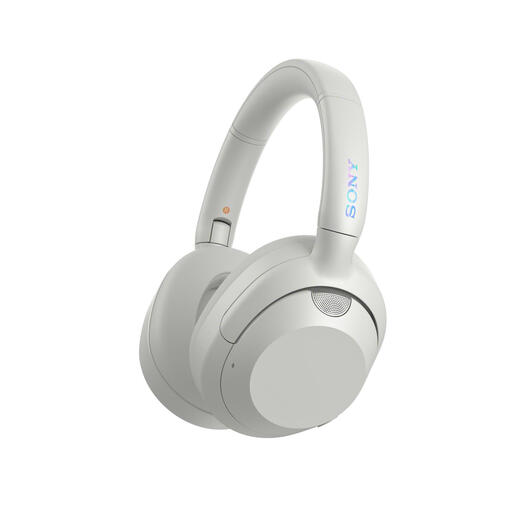
Why it suits this profile: An over-ear model for travel and music, ideal if you’re looking for active noise cancellation and a closed fit.
The product information lists active noise cancellation, an ambient sound mode and a microphone. This model isn’t designed for wet conditions.
USB-C, multipoint, foldable ear cups and a quoted playback time of 30 hours with noise cancelling.
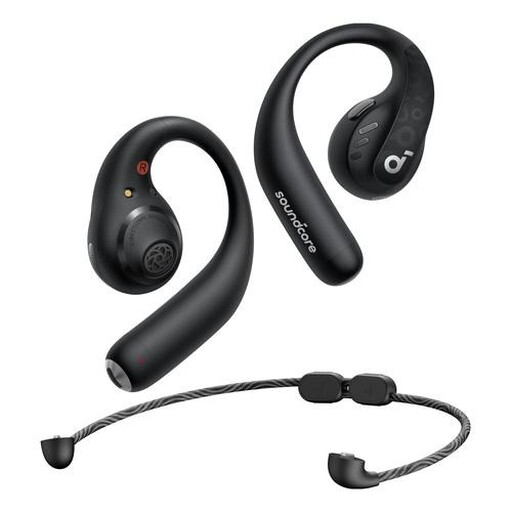
Why it suits this profile: The ear-hook fit is designed for sport, everyday use and calls, without a traditional headband.
The ear hooks help keep the fit stable when you’re moving. IPX5 is listed, but submersion and swimming are different from protection against sweat and rain.
Bluetooth 5.3, support for AAC, LDAC and SBC, call controls and a quoted playback time of 14 hours.
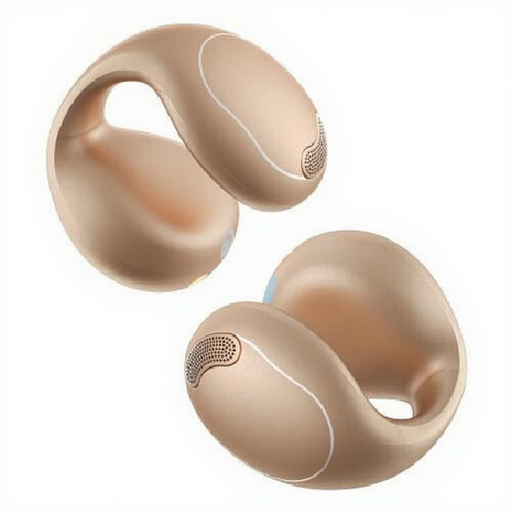
Why it suits this profile: The open-ear design is made for calls, music, sport and everyday use when you want to stay aware of your surroundings.
The open fit avoids pressure in the ear canal. According to the product information, the IPX4 rating is suitable for splashes, not submersion.
Bluetooth 5.4, two microphones, button controls, a weight of 60 grams and a charging station included.
We’ve put together a complete, up-to-date list of products that meet these strict selection criteria and the applicable European safety requirements.
First, charge the headphones and switch on Bluetooth on your phone. Then activate the headphones’ pairing mode and select the product name from the Bluetooth list. They’ll often connect automatically next time. If they don’t, remove the old pairing and try again.
Battery life depends on battery capacity, charging habits, volume and features such as ANC. Battery performance may decline over time. Don’t leave the headphones completely flat for long periods, and use a suitable USB-C charger. Also check the warranty terms and information about repairs or replacement.
The cost of charging them is usually minimal. The main ongoing costs are more likely to come from accessories, such as a replacement cable, ear cushions or a new charging case. Before buying, check whether these parts are available and whether the headphones can also be used with a wired connection.
