
Vandaag of morgen in huis

Kwaliteit gegarandeerd

Welkomstaanbiedingen ontgrendelen: GRATIS bezorging | Tot 80% korting | Gratis 30 dagen JoyPlus-proefperiode
Download de app
When shopping for wireless Bluetooth headphones and earbuds, you’ll soon come across terms such as ANC, Hi-Fi, long battery life and water resistance. But a striking product name doesn’t always tell you what a device is like to use every day. A model might offer long playback time but feel uncomfortable, for example. Or earbuds may be splash-resistant while their charging case isn’t protected against moisture.
This buying guide will help you assess specifications sensibly, so you can choose the right audio device for music, films, work, travel, gaming or exercise.
Manufacturers often quote total playback time, including the charging case. With wireless earbuds, it’s important to know the difference between:
For example, a model with 37 hours of total playback time doesn’t necessarily let you listen for 37 hours without a break. Always check both figures.
Check the IP rating. IP54 on earbuds generally means protection against dust and splashes under certain conditions. For the REDMI Buds 8 Active, for example, this rating applies only to the earbuds, not the charging case.
An IP55 or IP57 rating doesn’t mean you can submerge every product without restrictions, either. Check the product manual and make sure charging ports are properly sealed. Many wireless earbuds and headphones aren’t suitable for swimming, even if the product page uses the word “waterproof”.
Active Noise Cancelling, or ANC, uses microphones and electronic processing to reduce surrounding noise. This can be useful on the train, in the office or on a flight. However, how well it works varies depending on the situation. Low, constant sounds are often treated differently from voices or sudden noises.
A transparency mode can be useful when you need to hear traffic, colleagues or announcements. You should also avoid listening at high volume and stay alert around traffic.
The design has a big impact on your listening experience:
Don’t just look at the weight. Check the shape of the ear cushions, adjustability, headband and whether you can use a cable when the battery runs out.
Bluetooth 5.3 or Bluetooth 5.4 mainly tells you about the wireless connection and energy efficiency. Your experience also depends on the phone, laptop or tablet you connect to.
Multipoint lets you keep two devices connected at once, such as a laptop and a smartphone. This is useful for work and phone calls. Check that the feature is listed in the product specifications.
Audio codecs such as SBC, AAC and LDAC determine how audio is transmitted wirelessly. The source and the device you’re using need to support the same codec. So, a mention of LDAC doesn’t automatically mean that every connected device will use it.
USB-C charging ports are now common, but not every model supports wireless charging. Check for:
Clean earbuds with a soft, dry cloth and don’t charge them if the port is damp. For a Bluetooth speaker, also check that covers and ports are properly closed before using it outdoors.
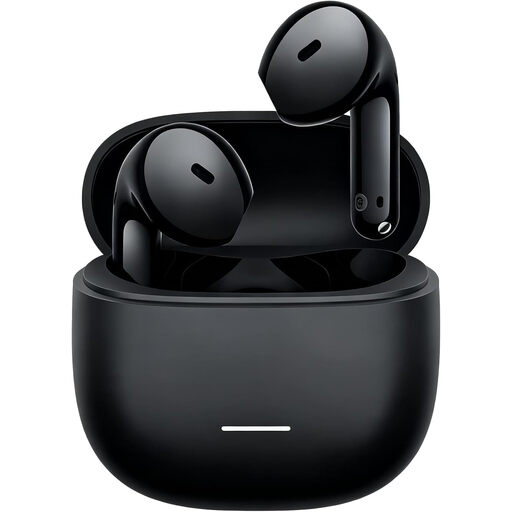
Why it suits this type of user: These lightweight wireless earbuds are suitable for everyday listening, calls and use on the go. The stated playback time is 7 hours per charge and 37 hours with the case.
The specifications distinguish between the earbuds and the case. According to the product information, IP54 applies only to the earbuds, not the case.
Bluetooth 5.4, USB-C, 14.2mm drivers and a weight of 3.8 grams per earbud.

Why it suits this type of user: These over-ear headphones are designed for listeners who value active noise cancellation, comfort and an immersive audio experience for music and films.
The product information lists both ANC and an Aware mode, so you don’t have to rely solely on listening with your ears covered.
Up to 30 hours of battery life, Bluetooth 5.4, multipoint and USB-C audio; the stated weight is 312 grams.
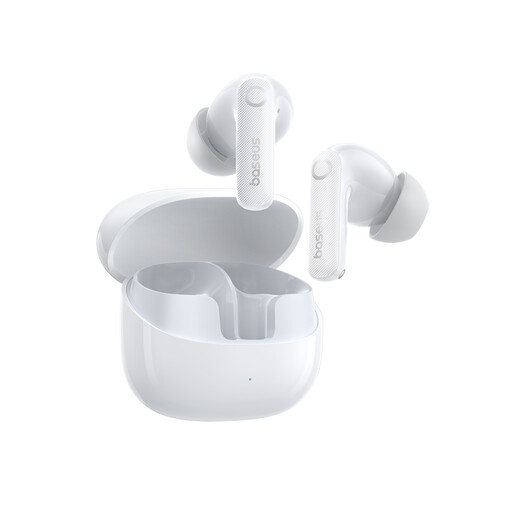
Why it suits this type of user: This model is a good fit for travellers and people working from home who want to combine ANC, long battery life and calls using multiple microphones.
Its water resistance is rated IP55 for protection against splashes. This helps avoid the misconception that the earbuds are suitable for submersion.
The stated specifications include adaptive hybrid ANC up to -50 dB, up to 55 hours of battery life and LDAC support.
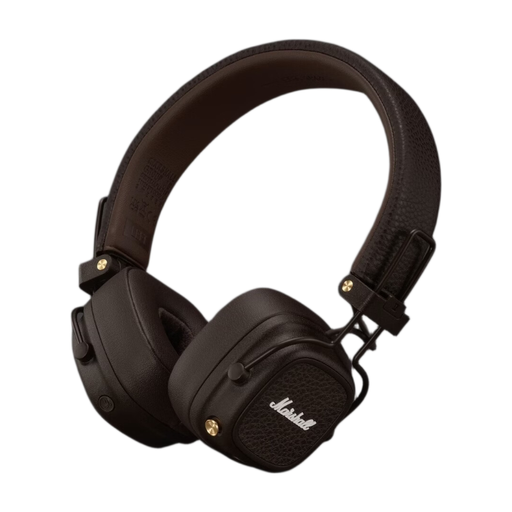
Why it suits this type of user: These foldable on-ear headphones are designed for everyday use and travel, and for listeners who don’t want to keep recharging them.
The stated battery life is specific: over 100 hours of wireless listening, with up to 15 extra hours from a 15-minute charge. The headphones are not water-resistant.
Bluetooth 5.3, multipoint, USB-C, wireless charging and a weight of 186 grams.
We’ve put together a complete, up-to-date list of products that meet these strict selection criteria and the applicable European safety regulations.
Open the Bluetooth settings on your smartphone, put the earbuds into pairing mode and select the product name from the list. Some models do this automatically when you open the case. If pairing doesn’t work, remove any previously saved connection and try again. Also check that the earbuds are sufficiently charged.
Their lifespan depends on charging cycles, use, heat, moisture and storage. A battery loses capacity over time. Avoid leaving the device completely flat for long periods, and use a suitable USB-C charger. Mechanical parts such as hinges, ear cushions and charging contacts also affect how long the product lasts in everyday use.
A portable Bluetooth speaker uses energy from its built-in battery while playing audio. Power consumption depends on the volume, lighting, Bluetooth connection and features such as extra bass. A model with a larger battery may need charging less often, but always check the stated battery life under normal usage conditions.
