
Vandaag of morgen in huis

Kwaliteit gegarandeerd

Welkomstaanbiedingen ontgrendelen: GRATIS bezorging | Tot 80% korting | Gratis 30 dagen JoyPlus-proefperiode
Download de app
Want to listen to music on the go, follow a podcast at home or make hands-free calls? You’ll quickly find yourself considering wireless Bluetooth headphones and earbuds. There’s a huge choice, but product pages don’t always clearly explain what you’ll get in real-world use. For example, long battery life means little if the fit is uncomfortable. And a high IP rating doesn’t automatically mean you can use the product for swimming.
With this buying guide, you can compare the key features of Bluetooth earbuds, wireless headphones, ANC models and open-ear designs. You’ll then find recommendations for different situations, based on verifiable product specifications.
A manufacturer may quote playback time with active noise cancellation switched off, at a particular volume or including the capacity of the charging case. As a result, “40 hours” and “40 hours” aren’t always directly comparable.
So look out for:
For example, the JBL Wave Buds 2 are listed as offering up to 40 hours of total playback time when ANC is switched off. According to the product specifications, the individual earbuds offer up to 8 hours of playback time.
A rating such as IPX4, IPX5 or IP57 provides information about protection against water and dust, but the exact level of protection varies by model. IPX4 is mainly relevant to splashes and sweat. It doesn’t make a product suitable for immersion.
Check the warnings too. According to the product information, the Samsung Galaxy Buds4 Pro have an IP57 rating, but the warning states that they’re not intended for swimming. The Verbex BL-09 describes a swimming mode, while also stating that the charging port must be completely dry and that the correct MP3 or internal mode may be required. Read these instructions before using the product around a swimming pool.
Noise-cancelling headphones and ANC earbuds use microphones and electronics to reduce background noise. A brand’s own research may quote specific reduction figures, such as “up to -45 dB” or “up to -50 dB”. These figures depend on conditions, frequency and fit, and don’t guarantee the same experience for every user.
A well-sealing earbud or comfortable ear-cushion design remains important. With open-ear headphones or bone-conduction headphones, background noise is deliberately part of the design. That can be useful when out walking, but it provides a different listening experience from a closed-back model.
Choose the design based on how you use it every day:
As well as weight, consider the shape of the headband, the size of the earbuds and how adjustable the design is. Even a model weighing just a few grams can be uncomfortable if it doesn’t fit properly.
Bluetooth 5.3, Bluetooth 5.4 or Bluetooth 6.0 may offer benefits in terms of power consumption, connection and compatibility. However, the Bluetooth version alone doesn’t automatically determine sound quality. Codecs, the device being used and the software also play a part.
If you often switch between a laptop and smartphone, look for multipoint or a similar feature. Do check that the function is actually stated in the product description. The Sony WH-CH520 lists multipoint, while the JBL Wave Buds 2 support connecting to two Bluetooth devices at the same time.
For intensive use, these are practical points to check:
A product with long battery life can be appealing for travelling, but check whether the stated figure applies with ANC switched on. For calls, it’s not just the number of microphones that matters; their positioning, the software and the surroundings also affect how clearly you’ll be heard.
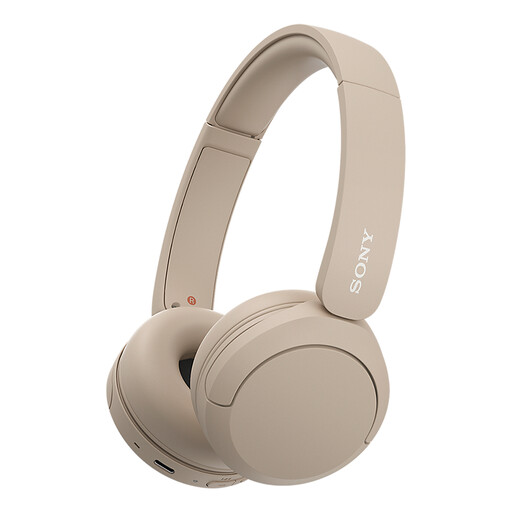
Why it suits this profile: Wireless on-ear headphones with an adjustable headband, microphone and multipoint connection for everyday use.
The product information doesn’t mention water resistance, so you won’t accidentally treat this model as sports or rain headphones.
147 grams, USB-C, microphone and multipoint. The product specifications state Bluetooth 5.2 and up to 40 hours of battery life; the description also mentions 50 hours, so check the current product page.
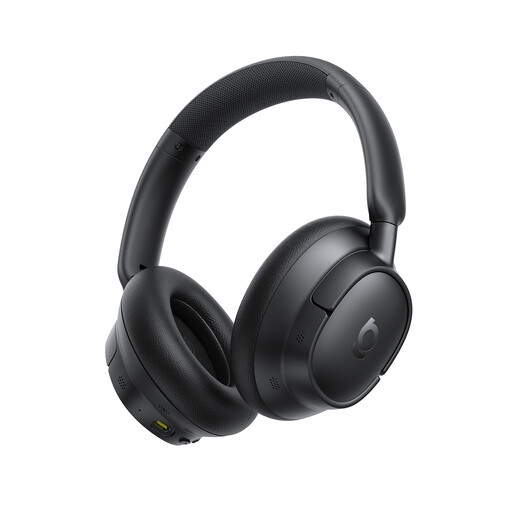
Why it suits this profile: An over-ear model for travel, office work and long listening sessions, with ANC, LDAC and several microphones.
The stated battery life is broken down: according to the brand description, up to 80 hours without ANC and 55 hours with ANC. This makes the claim easier to assess.
According to Baseus’s own research, the model offers hybrid ANC of up to -45 dB, LDAC, Hi-Res audio, five microphones and 10 minutes of fast charging for up to 10 hours of playback.
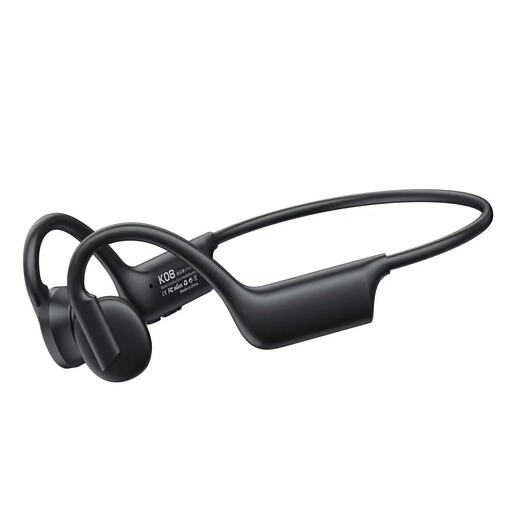
Why it suits this profile: The open design with ear hook is intended for cycling, running and listening while staying aware of your surroundings.
The model doesn’t completely seal the ear canal. This means it isn’t a closed ANC model that you’d buy for an open listening experience.
The product information lists Bluetooth, multipoint, a range of 10 metres or more, an ear hook and a stated maximum battery life of 8 hours.
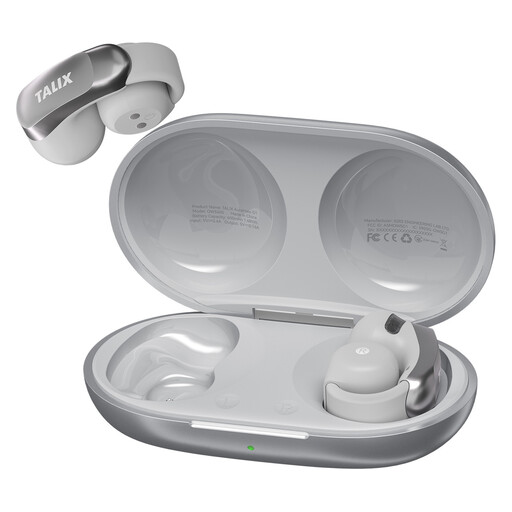
Why it suits this profile: The clip-on fit and four microphones are practical for exercise, meetings and phone calls.
The IPX4 rating makes the limits clear: suitable for sweat and light rain according to the product description, but not for immersion or heavy rain.
According to the product information, each earbud weighs 5.2 grams, offers Bluetooth 5.3 and up to 28 hours of total battery life, while 10 minutes of fast charging provides around 2 hours of playback.
We’ve put together a complete, up-to-date list of products that fully meet these strict selection criteria and the applicable European safety regulations.
Open the charging case or switch on the headphones, activate Bluetooth on your smartphone and select the product name from the list of available devices. If pairing doesn’t work, charge both devices, remove an old Bluetooth connection and try again. Some models support Google Fast Pair, Microsoft Swift Pair or a dedicated app.
The battery often lasts for several hours per charge. The charging case extends the total usage time. Product lifespan depends on charging cycles, storage, heat, moisture and usage. Don’t leave a battery completely flat for an extended period, and store your earbuds in the case in a dry place.
Not automatically. A more expensive model may offer features such as multipoint, wireless charging, an app or better microphones, but first consider whether you’ll use them. Also compare battery life, accessories, warranty and the cost of any replacement. That way, you pay for features that suit how you use them, rather than just for a brand name.
