
Vandaag of morgen in huis

Kwaliteit gegarandeerd

Welkomstaanbiedingen ontgrendelen: GRATIS bezorging | Tot 80% korting | Gratis 30 dagen JoyPlus-proefperiode
Download de app
A wireless Bluetooth headset may seem easy to choose, until you come across terms such as ANC, Hi-Res audio, AI calls and dozens of hours of battery life. A bold claim on a product page does not always tell you much about comfort, performance on a busy train or suitability for a rainy cycle ride.
These three pitfalls are particularly common:
Over-ear headphones surround the ear and can therefore partially block out surrounding noise. An on-ear model rests on the ear and is often lighter and more compact. Bluetooth earbuds and wireless earbuds take up very little space, but the fit varies considerably from one ear to another.
For extended use, such as working from home or taking a long train journey, consider:
Comfortable headphones are not just soft. Their shape should also suit how long and for what activity you plan to use them.
A noise-cancelling headset uses microphones and electronics to reduce certain surrounding sounds. ANC headphones are particularly useful for constant noise, such as train engines or aeroplane noise. Voices and sudden sounds may still be audible.
With bone conduction and open-ear headphones, your ears remain largely uncovered. This can be useful when cycling, running or working in an office and you want to remain aware of your surroundings. These models generally do not offer the same level of isolation as closed-back over-ear headphones.
Pay close attention to the wording on the product page. Claims such as “up to -45 dB” or “99.7% less ambient noise” are brand information. Do not present such figures as guaranteed results: according to the brand’s own research, conditions, fit and measurement methods can affect the outcome.
Do not only check the battery life. Also look at:
Headphones with long battery life are useful for travelling and office work, but a shorter battery life may be sufficient if you charge them every day anyway. Multipoint is particularly useful if you switch between a laptop and a smartphone.
For sports earbuds, the IP rating is also relevant. IPX5 means protection against water jets under certain conditions according to the usual protection classification; it does not automatically mean that the product is suitable for submersion or swimming. Follow the instructions and keep charging ports dry.
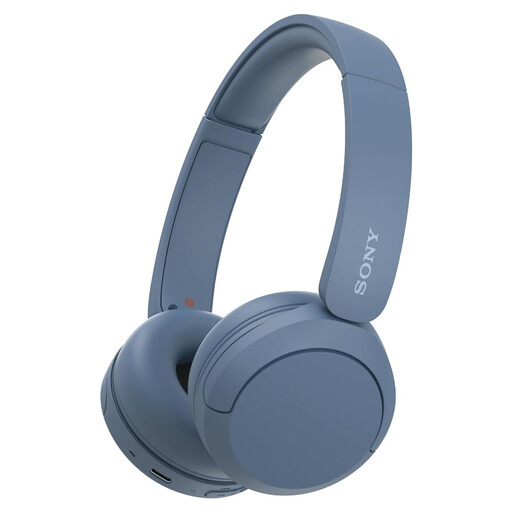
Why it suits this profile: This on-ear model is lightweight, adjustable and suitable for everyday listening, studying and calls. The multipoint function is practical when using it with a phone and laptop.
The product specification mentions Bluetooth, a microphone and multipoint. The stated battery life may vary depending on the product specification; check the current value before buying.
147 grams, USB-C, adjustable headband and support for AAC and SBC.
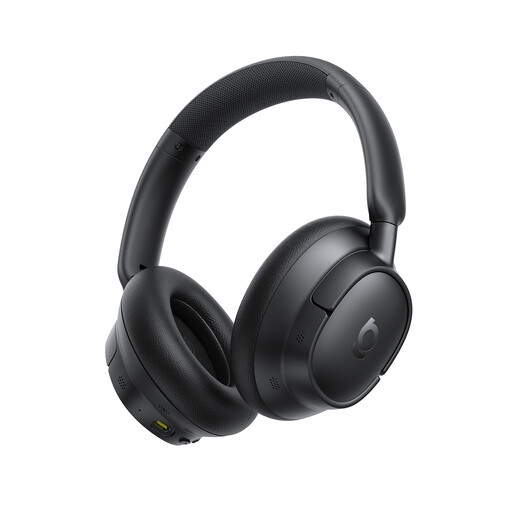
Why it suits this profile: The over-ear design, ANC setting and long stated playtime make it well suited to travelling, office work and intensive everyday listening.
The product description distinguishes between battery life with ANC switched off and switched on. This is clearer than providing one standalone total figure.
Stated battery life of up to 80 hours without ANC and up to 55 hours with ANC, plus Bluetooth 6.0, multipoint and USB-C fast charging.
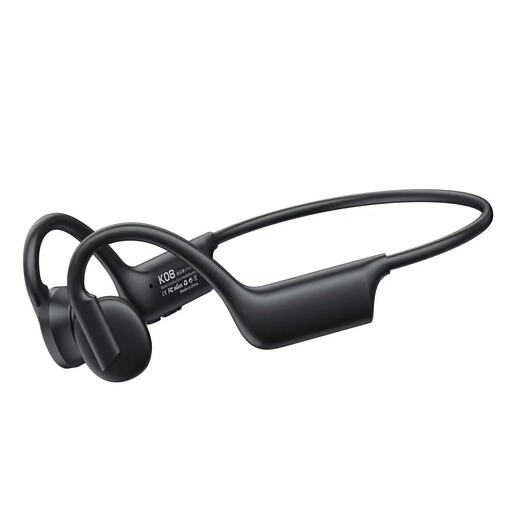
Why it suits this profile: The open-ear design with ear hooks is intended for cycling, running and listening while remaining aware of your surroundings.
The open construction prevents you from automatically choosing a closed ANC model for sports. The product information does not state an IP rating, so do not use it in rain or near water without checking first.
Bluetooth, music and call controls, multipoint and a stated weight of 140 grams.
We have put together a complete, up-to-date list of products that fully meet these strict selection criteria and the applicable European safety regulations.
First, charge the headphones and switch them on. Then open Settings > Bluetooth on your smartphone and select the product name. During the first pairing, the headphones will usually appear automatically. If they do not, press and hold the power or pairing button for a few seconds. Remove an old pairing if the connection continues to fail.
Battery life per charge ranges from a few hours for earbuds to dozens of hours for over-ear models. The device’s overall lifespan depends on factors including charging cycles, heat, moisture and storage. Keep earbuds in their case, charge them according to the instructions and avoid prolonged exposure to high temperatures.
They can be, but check that the model has a microphone and a call noise reduction function. Call clarity depends on wind, traffic, microphone placement and the smartphone being used. Headphones for calls are therefore not automatically suitable for every noisy location. Ideally, test call quality indoors and outdoors before using them for everyday work.
