
Vandaag of morgen in huis

Kwaliteit gegarandeerd

Welkomstaanbiedingen ontgrendelen: GRATIS bezorging | Tot 80% korting | Gratis 30 dagen JoyPlus-proefperiode
Download de app
Buying wireless Bluetooth headphones may seem straightforward, until you have to choose between Bluetooth earbuds, noise-cancelling headphones, sports earbuds or over-ear headphones. Marketing terms such as “Hi-Res”, “AI noise cancellation” and “long battery life” do not always tell you what you will notice in everyday use.
Pay particular attention to the fit, the actual usage time and the features that suit your situation. Below, you can read about common pitfalls, the specifications you should check and which models are suitable for different user profiles.
The stated battery life usually depends on the volume, codec, number of phone calls and use of ANC. For example, the Sony WH-CH720N is advertised as offering up to 50 hours without noise cancellation and up to 35 hours with noise cancellation. The technical specifications also state a battery life of 40 hours. This difference shows why you should look at the usage time with ANC enabled, rather than focusing only on the highest figure.
With Bluetooth earbuds, the capacity of the charging case also counts. Check whether the manufacturer states the playback time per earbud, per fully charged case or as a combined total.
ANC headphones use microphones and electronic processing to reduce ambient noise. The result varies depending on the type of sound and the fit. Low, constant sounds such as train or aeroplane engines are generally easier to reduce than voices or sudden noises.
Claims such as “-45 dB” or “-50 dB” come from the product description provided by the brand or seller. According to the brand’s own research, such values may have been measured under specific conditions. Treat them as an indication rather than a fixed experience in every environment.
A heavy pair of over-ear headphones may feel comfortable at home but be less suitable for commuting. On-ear headphones are lighter and more compact, but let in more ambient noise and may start to feel tight after longer periods.
For sports, you should also check whether there is an official IP rating. IPX5, according to the product description, means protection against water jets under certain test conditions, but it does not mean that you can submerge the earbuds. Ordinary headphones without a water-resistance rating are not designed for rain or heavy sweating.
Bluetooth 5.x or higher mainly indicates the connection standard; it does not automatically guarantee better sound. Also look for support for multipoint Bluetooth, which allows you to connect, for example, a laptop and smartphone at the same time. This is practical when working from home and switching between music and phone calls.
For headphones used for calls and music, the number of microphones, their positioning and software for voice or environmental noise reduction are all relevant. According to some brands’ product descriptions, AI features are used to make calls clearer. Ultimately, voice clarity also depends on wind, traffic and the phone app being used.
Check:
Also pay attention to the volume. Listening at high volume for extended periods can put strain on your hearing. Take breaks and reduce the volume when listening for longer periods.
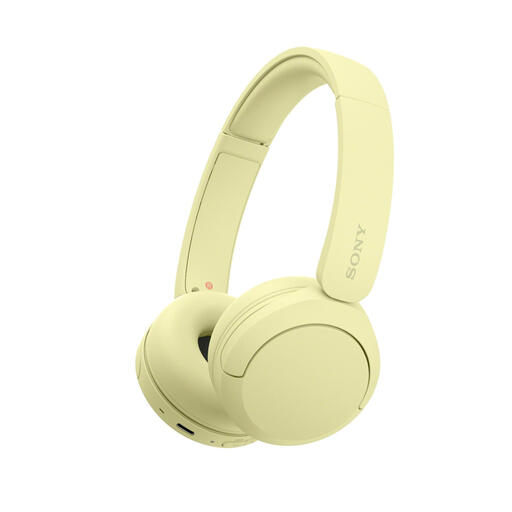
Why it suits this profile: Lightweight on-ear headphones for music, podcasts and everyday commuting, without additional ANC features that you may not need.
The product description lists specific features such as multipoint and fast charging, rather than relying only on general sound claims.
147 grams, USB-C, microphone and up to 50 hours of battery life according to the product description.
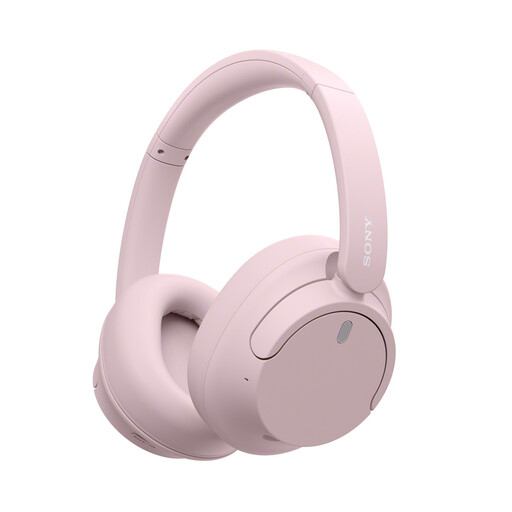
Why it suits this profile: Suitable for travel, office work and listening in busy environments, thanks to adjustable active noise cancellation and multipoint.
According to the product information, the ANC setting can be adjusted in 20 steps; however, check the battery life when ANC is active.
Over-ear design, Bluetooth 5.2, AAC/SBC, multipoint and up to 35 hours with noise cancellation according to the product details.
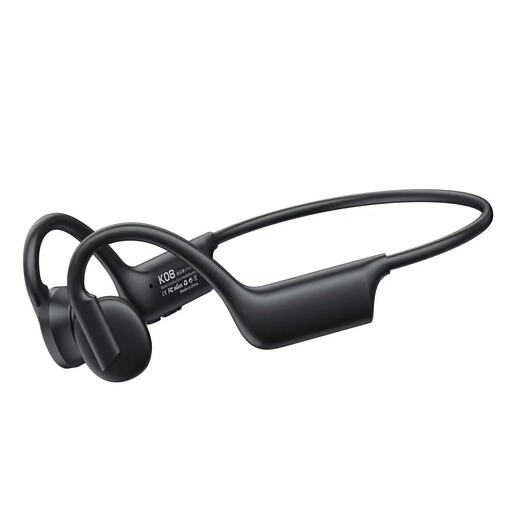
Why it suits this profile: The open-ear hook design is intended for cycling, running and situations where you want to remain aware of your surroundings.
The product description mentions an over-ear attachment and a wireless range of 10 metres or more; the model is not listed as waterproof.
Bone conduction, bilateral stereo, calling function, voice control and up to 8 hours of memory or usage time according to the product information.
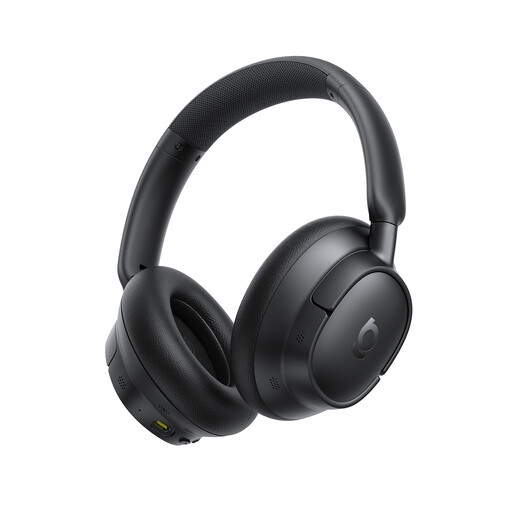
Why it suits this profile: Over-ear ANC headphones for long working days, train journeys and calls where long battery life is useful.
The product description lists separate usage times with and without ANC: up to 55 and 80 hours. Check the current specifications before ordering.
USB-C, multipoint, LDAC according to the product description and five microphones for calls.
We have put together a complete, up-to-date list of products that fully meet these strict selection criteria and the applicable European safety regulations.
Switch on the headphones and activate Bluetooth on your smartphone. Select the model name from the list of available devices. With some models, Fast Pair, Swift Pair or a companion app can help. If the connection does not work, remove the old pairing and try again.
Their lifespan depends on charging cycles, heat, moisture, volume and mechanical stress. A battery loses capacity over time. Store the headphones in a dry place, avoid extreme temperatures and use the supplied or suitable USB-C charger. If you use them intensively, also check whether replacement ear cushions or a protective case are available.
Power consumption is limited during use. You charge the headphones or charging case periodically via USB-C. ANC, high volume and phone calls can drain the battery more quickly. A model with multipoint can also be useful, as you will not need to pair it again between devices as often.
