
Vandaag of morgen in huis

Kwaliteit gegarandeerd

Welkomstaanbiedingen ontgrendelen: GRATIS bezorging | Tot 80% korting | Gratis 30 dagen JoyPlus-proefperiode
Download de app
Wireless Bluetooth headphones make listening to music, taking calls and following podcasts easier. However, the range can be difficult to compare. A low price may seem appealing, while comfort, battery life or water resistance may prove less suitable for your needs in practice.
The main pitfalls are usually:
So don’t use the product title as your only starting point. Check the technical specifications, warnings and the type of use the model is designed for.
Pay attention to the difference between the playback time of the earbuds themselves and the total battery life with the charging case. For example, a model with 28 hours of total use may offer around 7 hours per charge. That may be sufficient for a daily commute, while headphones with long battery life are more practical for travelling or long working days.
Also check:
The stated figures are usage indications taken from the product information. Volume, the Bluetooth connection and features such as noise cancelling affect the actual usage time.
Over-ear headphones cover the ear and can block out surrounding noise more effectively. An on-ear model is often more compact. Bluetooth earbuds and wireless earbuds are lighter and easy to carry, but the fit varies significantly from one ear to another.
Look at:
Open-ear headphones or bone conduction headphones leave the ears partly uncovered. This can be useful when running or cycling and you want to remain aware of surrounding sounds. The listening experience and bass reproduction may differ from those of sealed in-ear earbuds.
An IP rating indicates how resistant a product is to dust or water. IPX4, according to the usual classification, means protection against splashing water; this is not the same as being suitable for immersion. IPX5 refers to protection against water jets under certain test conditions. Always check the warnings for the specific product.
Noise-cancelling headphones use active noise cancellation to reduce surrounding sounds. Performance can vary depending on the environment. A brand’s own research may claim that a certain number of decibels can be reduced, but this does not automatically guarantee the same experience on a train, in the office or on a plane. Also check the microphones and call specifications when looking for headphones for calls.
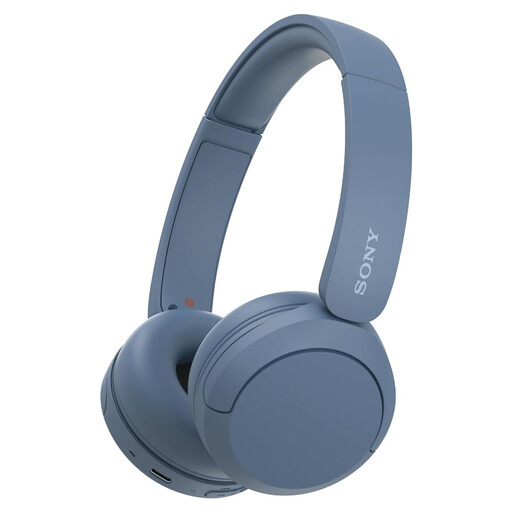
Why it suits this profile: Compact on-ear headphones for music, podcasts and phone calls without complicated controls.
The product information lists an adjustable headband, soft ear cushions and multipoint connectivity. The stated battery life varies by specification, so check the current product page for the exact figure.
147 grams, Bluetooth, microphone, multipoint and USB-C charging. Not water-resistant according to the product warning.

Why it suits this profile: Designed for users who value customisable audio, active noise cancellation and extensive phone features.
The specifications list separate playback times with ANC switched on and off. This allows you to set more realistic battery expectations for your usage than a single general claim would.
ANC, six microphones, a two-way speaker system, multipoint functions, USB-C and wireless charging. According to the product information, IP57 is not intended for swimming.
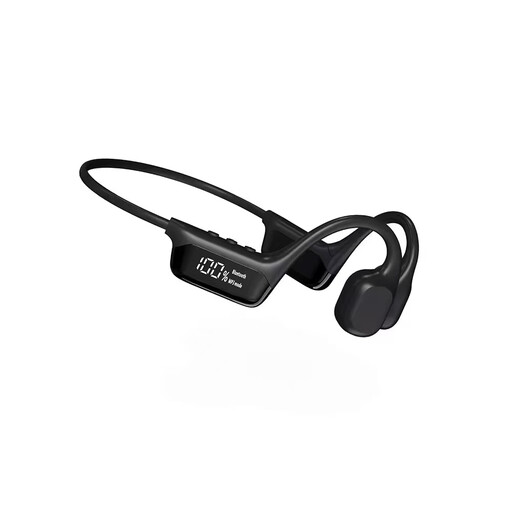
Why it suits this profile: An open-ear design for running, cycling and the office, when you don’t want to be completely cut off from your surroundings.
The product information identifies the open-ear bone conduction design and Bluetooth 5.3. Before using it for swimming, check the precise water-resistance rating and make sure the charging port is completely dry.
Ear-hook construction, multipoint connectivity, voice control and a stated battery life of 8 hours. The weight is listed as 80 grams.
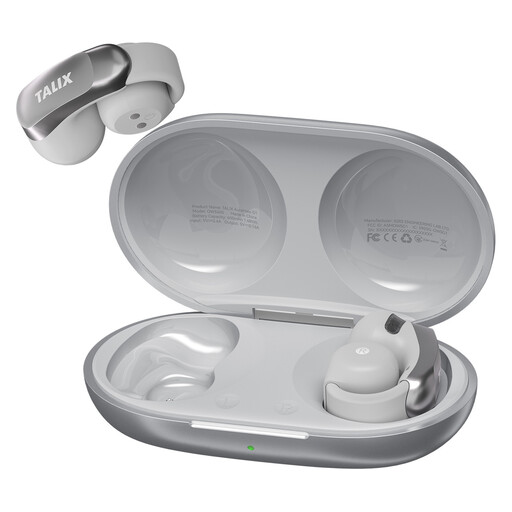
Why it suits this profile: The clip-on fit is designed for users who want extra security during sport or travel without using a fully sealed earbud.
The specifications state a weight of 5.2 grams per earbud and a silicone ear hook. IPX4 is suitable for sweat and light rain, but not for immersion or heavy rain.
Bluetooth 5.3, four microphones, up to 7 hours per charge and up to 28 hours with the charging case. The product information states that 10 minutes of fast charging provides 2 hours of playback.
We’ve put together a complete, up-to-date list of products that fully meet these strict selection criteria and the applicable European safety regulations.
First charge the headphones, switch on Bluetooth on your phone and put the device into pairing mode. Then select the product name from the Bluetooth list. With models that support multipoint, you can sometimes connect a second device, such as a laptop. Check the manual for details, as the steps vary from one model to another.
Their lifespan depends on battery usage, charging habits, storage and physical wear. Ear cushions and silicone components may wear out sooner than the electronics. Store the headphones in a dry place, charge them according to the supplied instructions and avoid prolonged exposure to heat or moisture. What is quoted as playback time is not the same as the product’s total technical lifespan.
Power consumption while charging is generally limited. Possible additional costs mainly arise from replacing earbuds, charging cases or accessories when the built-in battery gradually loses capacity. Before ordering, check the warranty terms, charging type and availability of support.
