
Vandaag of morgen in huis

Kwaliteit gegarandeerd

Welkomstaanbiedingen ontgrendelen: GRATIS bezorging | Tot 80% korting | Gratis 30 dagen JoyPlus-proefperiode
Download de app
A wireless Bluetooth headset may seem simple to choose, until you have to decide between Bluetooth earbuds, over-ear headphones, ANC headphones or an open-ear model. A low price says little about wearing comfort, microphone quality or suitability for sports.
Focus first on what you need in everyday use. Someone who regularly travels by train has different requirements from someone who runs, cycles or mainly makes calls from home.
A description such as “long battery life” may refer to the earbuds’ playback time, the total capacity including the charging case or usage without noise cancellation. With noise-cancelling headphones, battery life is often shorter when ANC is enabled.
So always check:
Noise-cancelling headphones use microphones and electronics to reduce ambient noise. The result depends on the fit, the type of sound and the surrounding environment. Low, consistent sounds on an aeroplane or train are generally easier to suppress than voices or sudden noises.
Brands may specify particular noise-reduction figures. Present these as brand claims: according to the brand’s own research or product information, a model may, for example, reduce ambient noise by up to a specified number of decibels. Do not treat such a figure as a guarantee of complete silence.
An IPX5 rating may indicate protection against water jets, but it does not mean that a product can be used underwater. Swimming often also requires a dedicated swim mode or built-in music storage, as Bluetooth has limited functionality underwater.
When buying waterproof sports earbuds, always check:
Over-ear headphones fully cover the ears, which can make them comfortable for travelling and working. However, the ear cups take up more space and may feel warmer. An on-ear model is often more compact, while Bluetooth earbuds take up very little room but need to fit securely.
For running and cycling, a sports headset, open-ear earbuds or bone-conduction headphones may be more practical. These designs leave the ear canal more open, allowing you to remain aware of your surroundings. That does not automatically make them safer in every situation: keep the volume low and stay alert in traffic.
A higher Bluetooth version number may support modern connectivity features, but it does not by itself say much about sound quality. Focus on the features that match your devices and usage.
Multipoint Bluetooth is useful when you want to connect a phone and laptop at the same time. It makes it easier to switch between a video call and music. However, check that multipoint is explicitly included in the specifications and that all functions work with your phone and laptop.
A stated range of around 10 metres usually applies under favourable conditions. Walls, other wireless devices and your body position can affect the range.
Many models support SBC and AAC. Some headphones also offer codecs such as LDAC. This can be interesting if your phone and streaming service support them. The final listening experience also depends on the fit, the drivers used, the equaliser and the recording quality.
For calls, the number of microphones and noise-reduction features are relevant considerations. A claim of clearer calls remains a manufacturer’s product claim. Look at the technical description and user reviews rather than relying solely on terms such as “AI” or “3D surround”.
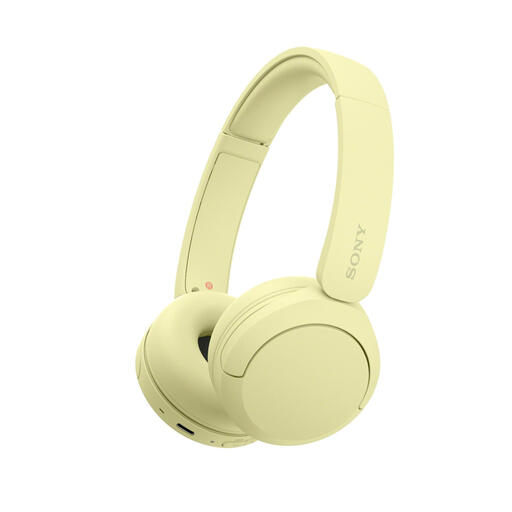
Why it suits this profile: Compact on-ear headphones for everyday listening, commuting and calls without complicated setup.
The product information lists battery life and the 147-gram weight separately. No water resistance is specified, so you are less likely to mistakenly treat this model as sports earbuds.
Up to 50 hours of battery life according to the product description, USB-C, microphone and multipoint connectivity.
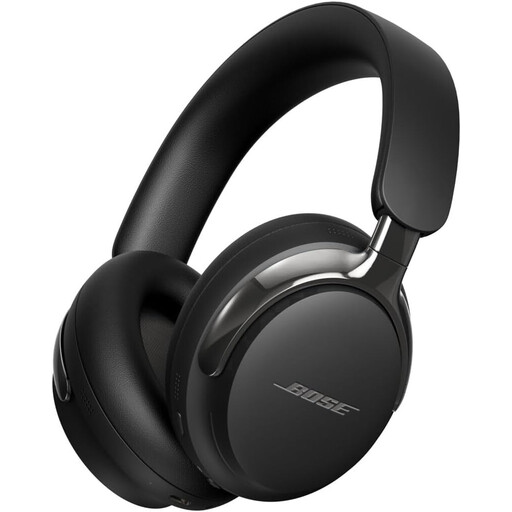
Why it suits this profile: Designed for comfort, active noise cancellation and both wireless and wired listening while travelling or working.
The specifications list Bluetooth 5.4 as well as a detachable cable with a jack connection. This makes you less dependent on the battery during extended use.
Active noise cancellation, Bluetooth 5.4, wireless and wired connectivity, plus a stated minimum EU legal warranty of two years.
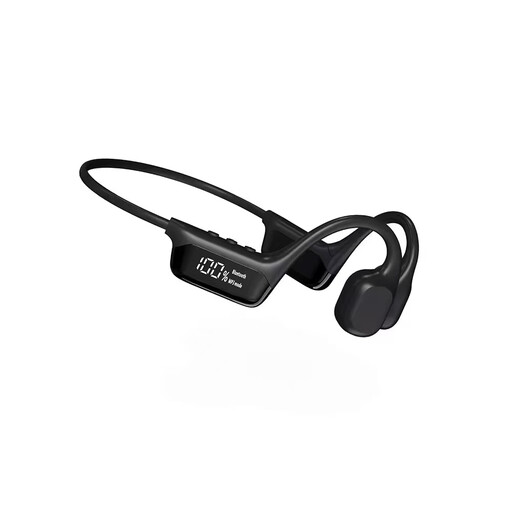
Why it suits this profile: Open-ear bone-conduction headphones for running, cycling and situations where you want to remain aware of ambient sound.
The description mentions an open-ear design and warns that the charging port must be dry before charging. Check the swim function and water resistance against the current specifications before purchase.
Bluetooth 5.3, an ergonomic open-ear sports design, multipoint connectivity and a stated maximum battery life of 8 hours.
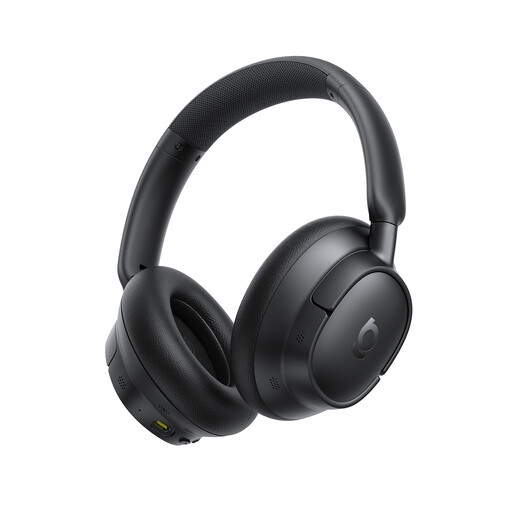
Why it suits this profile: Over-ear ANC headphones for long train journeys, flights, office work and video calls.
The product information distinguishes between up to 80 hours without ANC and 55 hours with ANC. This puts the battery claim into better context than a single headline figure.
Bluetooth 6.0, LDAC support, five microphones according to the product description, and fast charging with a stated 10 hours of playback after 10 minutes.
We have compiled a complete, up-to-date list of products that fully meet these strict selection criteria and the applicable European safety requirements.
Use this quick checklist before ordering:
Charge the headphones first, switch on Bluetooth on your phone and put the model into pairing mode. Then select the product name from the Bluetooth list. With some models, Fast Pair, Swift Pair or a companion app can assist with the initial connection.
Battery life per charge varies significantly by model and usage. Earbuds are recharged in their case, while over-ear models can last for dozens of hours according to their specifications. Overall service life also depends on charging habits, moisture, temperature and wear to the ear cushions or battery.
No. ANC is particularly useful in busy environments such as trains, aeroplanes and offices. For cycling, running or conversations where you want to remain aware of ambient sound, sports headphones or an open-ear model may be a better fit. Choose features based on how you use the product, not on price alone.
