
Vandaag of morgen in huis

Kwaliteit gegarandeerd

Welkomstaanbiedingen ontgrendelen: GRATIS bezorging | Tot 80% korting | Gratis 30 dagen JoyPlus-proefperiode
Download de app
Wireless Bluetooth headphones may seem easy to choose at first. However, models can vary considerably in comfort, battery life, sound quality and moisture protection. A low price can be tempting, but a product that feels uncomfortable after a few weeks or needs frequent charging offers little value.
When comparing models, look out for these three common pitfalls:
Bluetooth earbuds and in-ear headphones are compact and handy for commuting, studying and exercise. However, they will only stay in place if they fit properly. A poor fit can also affect sound quality and how well ANC works.
Over-ear headphones cover the whole ear. This can be comfortable on long train journeys, while working from home or watching films. The downside is their greater weight and larger size. On-ear models, such as the Marshall Major V, rest on the ear and are often lighter and easier to fold away.
Look at three separate figures:
A quick top-up can be handy if you’re often out and about. Also check whether the headphones have a USB-C port, wireless charging or a wired connection. A wired option is useful when the battery is flat or when you want a stable connection for entertainment.
Bluetooth 5.3, 5.4 or a newer version mainly tells you about the connection technology used. Your experience also depends on the smartphone, laptop or TV you pair the headphones with.
For calls, the number of microphones isn’t the only thing that matters. Check the details of the microphone features and look for feedback from people using them in busy places. Features such as multipoint, a voice assistant and automatic pause can make headphones with a microphone easier to use every day.
Supported codecs matter when listening to music. According to the product information, the UGREEN HiTune Max5c supports AAC, SBC and LDAC, among others. This makes it an interesting option if you’re looking for HiFi audio, but the quality of the source and compatibility with your playback device still matter.
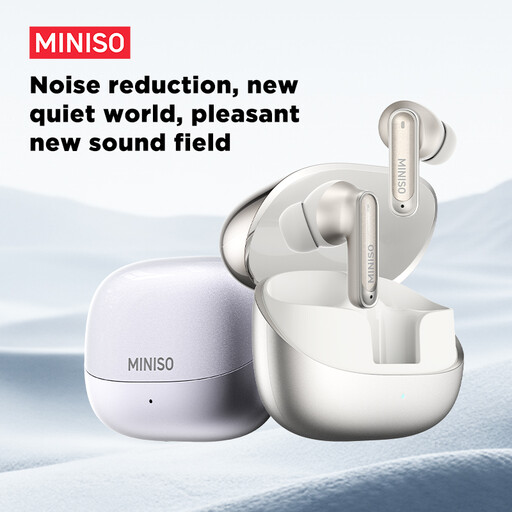
Why it suits this profile: These true wireless earbuds are designed for everyday use, calls, studying and exercise. According to the product information, each earbud weighs 3.9 grams, and the set offers up to 55 hours of total battery life.
The IPX5/IP55 rating makes it clear that protection from sweat and rain is not the same as protection against immersion. Before buying, check which rating applies to your version.
TWS design, built-in microphone, touch controls and a specified 10mm driver.

Why it suits this profile: These over-ear headphones are designed for music, films and long listening sessions. The product information lists active noise cancelling, multipoint, USB-C audio and up to 30 hours of battery life.
The stated playtime is for use with ANC switched on. Bear in mind that battery life varies depending on volume, connection and settings.
40mm drivers, active noise cancelling, transparency mode and microphones for calls.
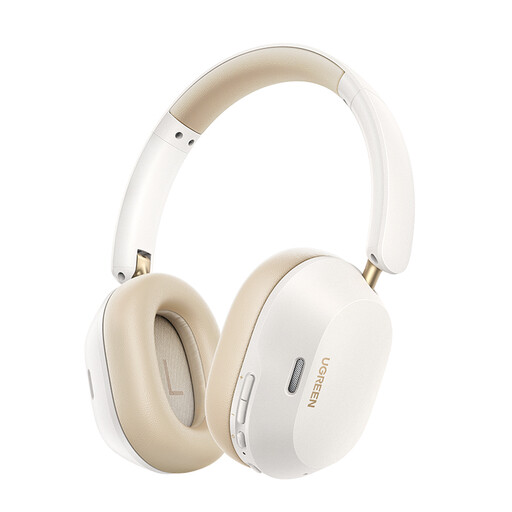
Why it suits this profile: This over-ear model is a good fit for travel, working from home, calls and gaming. According to the product specifications, it offers up to 75 hours of playtime without ANC and 45 hours with ANC.
The product information clearly distinguishes battery life with and without ANC. According to the specifications, this model is not water-resistant, so it is not intended for use in the rain or for outdoor exercise.
ANC, transparency mode, an app with an equaliser, Bluetooth 5.4 and LDAC support.

Why it suits this profile: These wireless earbuds are designed for exercise, commuting and use within the Galaxy ecosystem. The product information lists IP57, ANC, six microphones and wireless charging.
IP57 offers protection against dust and certain levels of water exposure, but it does not mean you can swim with them. Also check compatibility with your phone.
2-way speakers, 24-bit/96 kHz according to the product specifications, ANC and up to 30 hours of total playtime with the case.
We’ve put together a complete, up-to-date list of products that meet these strict selection criteria and the applicable European safety regulations.
First, charge the headphones and switch on Bluetooth on your smartphone. Put the device into pairing mode, select its name from the Bluetooth list and confirm the connection. Some Bluetooth earbuds pair automatically as soon as you open the charging case. If pairing doesn’t work, remove an old connection and try again.
Their lifespan depends on battery use, charging habits, moisture, temperature and physical wear. The stated battery life does not guarantee how long the battery itself will last. Store wireless headphones in a dry place, avoid extreme temperatures and use a suitable USB-C charger. Keep the volume moderate and take regular breaks, too.
Noise-cancelling headphones or ANC headphones can reduce background noise, which is not always desirable in traffic. When cycling, only use transparency mode or a low volume if you can still hear enough of your surroundings. Always follow the rules of the road and avoid features that distract you from the traffic.
