
Vandaag of morgen in huis

Kwaliteit gegarandeerd

Welkomstaanbiedingen ontgrendelen: GRATIS bezorging | Tot 80% korting | Gratis 30 dagen JoyPlus-proefperiode
Download de app
Wireless Bluetooth headphones may seem easy to choose at first. But differences in fit, battery life and water resistance can have a big impact on everyday use. A pair that’s comfortable on a train journey, for example, may not be suitable for running or swimming.
When comparing models, look out for these common pitfalls:
Don’t just look at the highest figure on the product page. Also check:
The Sony WH-CH520 is described in the product information as offering up to 50 hours of battery life and a fast-charging feature. The technical specifications also list a weight of 147 grams, Bluetooth and multipoint connectivity. As the product information may show different battery figures, it’s worth checking the latest specifications table for the product.
According to the product description, the Marshall Major V offers more than 100 hours of playback, Bluetooth 5.3, multipoint and a fast-charging feature. The manufacturer states that 15 minutes of charging provides up to 15 hours of playback. These are figures provided by the brand; actual battery life depends on volume, codec and the features you use.
On-ear headphones are usually compact and sit directly on your ears. This can be handy for commuting, but some people find they put pressure on the outer ear after a while. Over-ear headphones enclose your ears and can block out more surrounding noise, but they’re often larger and warmer.
So, check:
Comfort isn’t just about soft cushions. The clamping force and the shape of your head also play a part. A low weight, such as the 147 grams listed for the Sony WH-CH520 in the product specifications, can be a practical advantage for everyday use.
Bluetooth 5.0, 5.1, 5.2 or 5.3 indicates the connection standard, but doesn’t by itself guarantee a trouble-free connection in every environment. Also look for multipoint, which lets you connect two devices at the same time.
For calls, the microphone, wind noise reduction and ambient sound filters matter. Brands may describe their own technology as exceptionally clear. Don’t present this as a guaranteed result: according to Sony’s own information, certain models feature technology to enhance voices and reduce noise during calls.
With noise-cancelling headphones, it’s worth checking whether they also have a transparency mode. This can be useful when you want to hear surrounding sounds in traffic or at a station. Don’t use noise cancelling while cycling, driving or in other situations where you need to stay alert.
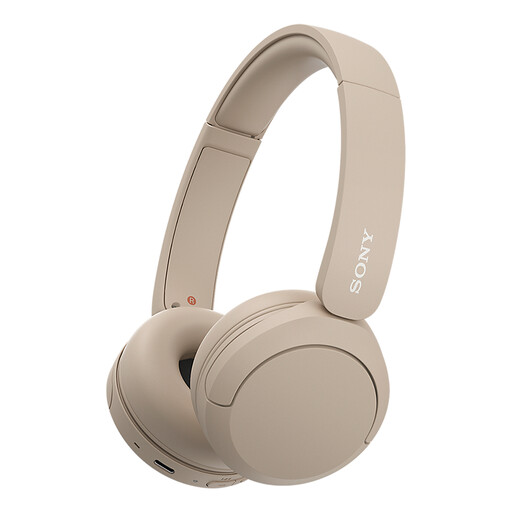
Why it suits this profile: These lightweight on-ear Bluetooth headphones are suitable for music, podcasts, online meetings and everyday travel. Multipoint makes it easier to switch between your phone and laptop.
The product information lists the weight, style, multipoint and Bluetooth specifications. Do check the latest battery information, as it may vary between product specifications.
147 grams according to the product specifications, a microphone, AAC and SBC codecs, USB-C and support for the Sony app.
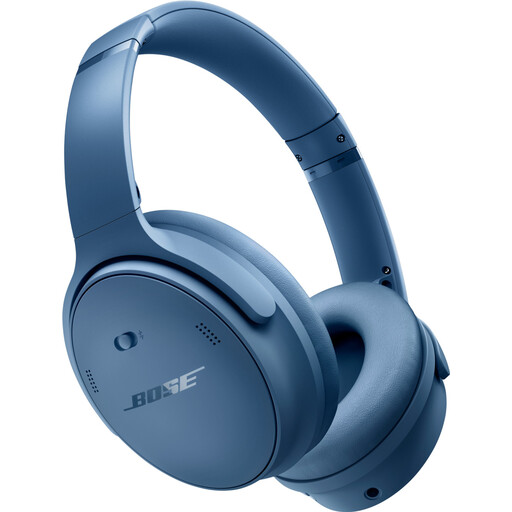
Why it suits this profile: An over-ear model for travellers, people working from home and listeners looking for active noise cancellation and an enveloping fit.
The product information lists several noise-cancelling modes and an Aware mode. According to the warnings, these headphones aren’t designed for use in or around water.
Over-ear design, active noise cancelling, Bluetooth 5.1, stated battery life of up to 24 hours and a weight of 240 grams.
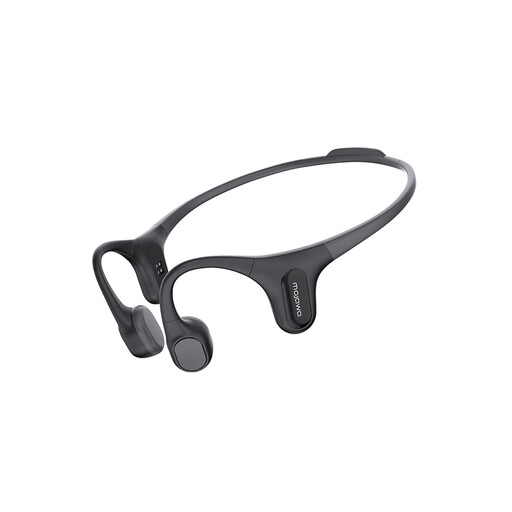
Why it suits this profile: Open-ear bone conduction headphones for running, fitness and situations where you want to stay aware of your surroundings. The product name also mentions a built-in 32 GB MP3 player.
The product name lists IP68 and suitability for swimming. Before buying, check the latest user manual and charging instructions; the manufacturer warns that the charging connection must be dry.
Open-ear design, Bluetooth, built-in storage according to the product name, and a style designed for sport and swimming.
We’ve put together a complete, up-to-date list of products that meet these strict selection criteria and the current European safety regulations.
Switch on the headphones and hold down the pairing button until the indicator light flashes. Then open the Bluetooth settings on your phone and select the device name. Some models support fast pairing with Android and Windows. If the connection doesn’t work, remove an old pairing and try again.
Battery life per charge varies by model and settings. According to the product information, headphones with long battery life can offer dozens of hours of playback, but noise cancelling, phone calls and high volume will reduce this. The battery’s overall lifespan depends on charging cycles, heat and storage. Charge the headphones with a suitable cable and store them somewhere dry and not too warm.
For running, look for a secure fit, low weight and an open-ear or sport-style design. For swimming, only consider a model explicitly designed for swimming. A standard set of wireless headphones usually isn’t intended to be submerged. Check the IP rating, permitted swimming conditions and whether Bluetooth is replaced by built-in storage while you swim.
