
Vandaag of morgen in huis

Kwaliteit gegarandeerd

Welkomstaanbiedingen ontgrendelen: GRATIS bezorging | Tot 80% korting | Gratis 30 dagen JoyPlus-proefperiode
Download de app
Wireless Bluetooth headphones may seem easy to choose, until you have to decide between Bluetooth earbuds, over-ear headphones, sports earbuds or open-ear earbuds. Marketing terms such as “noise cancellation”, “long battery life” and “hi-fi sound” also don’t always tell you what you need in practice.
For everyday use in the Netherlands, three pitfalls are particularly relevant:
Read on to find out which specifications really matter and which models suit different situations.
Headphones with long battery life are handy for commuting, travelling and days at the office. However, check two figures:
The Sony WH-CH520 is listed in the product information as offering up to 50 hours of battery life, while another specifications table states 40 hours. This difference shows why it’s worth checking the current product specifications and usage conditions. The Baseus EH10 is listed as offering up to 80 hours without ANC and 55 hours with ANC. ANC can therefore affect the available playtime.
Look out for fast charging, too. With some models, a few minutes of charging is enough to give you extra listening time. That’s more useful than a high total figure alone if you often forget to charge your headphones.
The most important choice often isn’t the Bluetooth version, but how the headphones are worn:
A model that looks lightweight on paper won’t automatically suit everyone. Check the dimensions, weight and recommended use.
Noise-cancelling headphones use active noise cancellation to reduce ambient sound. According to Baseus product information, the EH10 can offer up to -45 dB of hybrid active noise isolation. This is a claim from the brand’s product description; real-world performance may vary depending on your surroundings, fit and individual experience.
For calls, ANC isn’t the only thing that matters. Check:
When it comes to water resistance, IPX4 is designed to protect against splashes, sweat and light rain, not immersion. IP54 also provides protection against dust according to the product rating. Always follow the manufacturer’s safety warnings, and don’t charge wet earbuds.
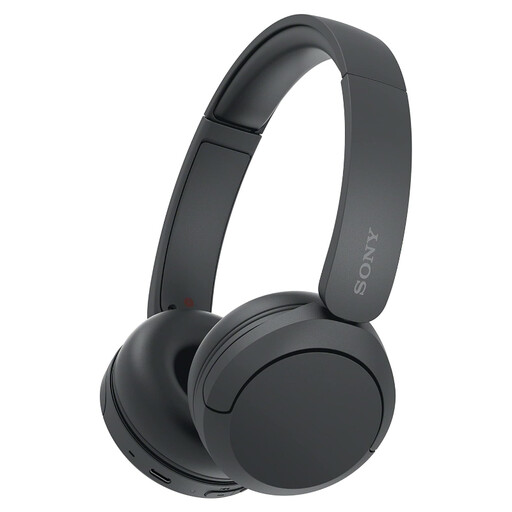
Why it suits this profile: This on-ear model is designed for everyday listening, calls and travel. Its 147-gram weight, adjustable headband and multipoint connection make it a good fit for use with a phone and laptop.
The product specifications give specific figures for weight, Bluetooth codecs, microphone and multipoint. However, check whether the actual battery life at your preferred volume matches the product listing.
On-ear design, USB-C charging, microphone and multipoint connection. According to the product information, the model also supports fast charging.
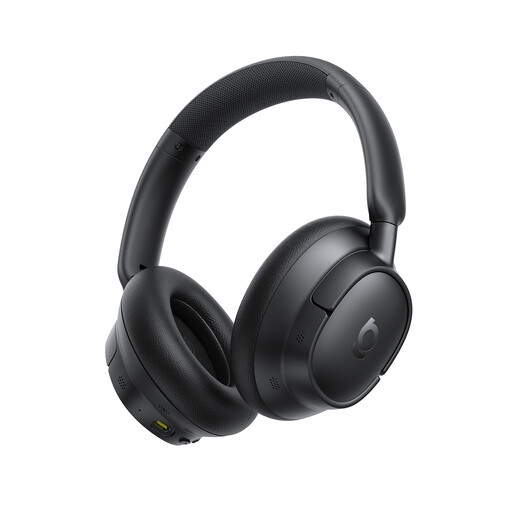
Why it suits this profile: These over-ear headphones are aimed at people who combine music, work and long journeys, and value active noise cancellation and plenty of battery capacity.
Battery life is given separately for use with and without ANC, making it clearer which figure is relevant to the way you listen.
Over-ear fit, USB-C fast charging, LDAC support according to the product information, and five microphones for calls.
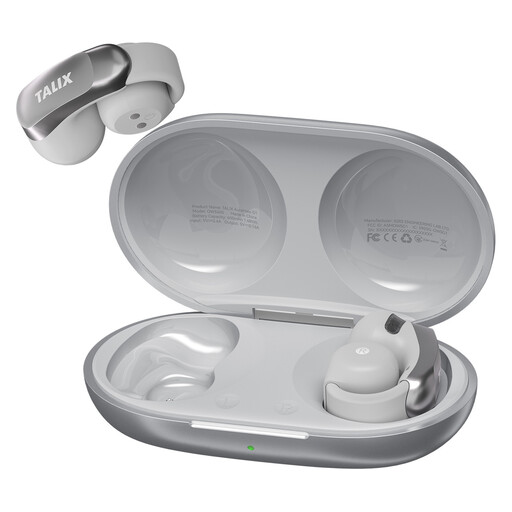
Why it suits this profile: The clip-on design and silicone ear hook are made for exercise, commuting and long periods of use, when loose wireless earbuds can shift out of place.
The stated IPX4 rating is more specific than a general claim of water resistance. According to the warning, this model isn’t designed for immersion or heavy rain.
Bluetooth 5.3, four microphones, up to 28 hours with the charging case and around 7 hours per charge, according to the product information.
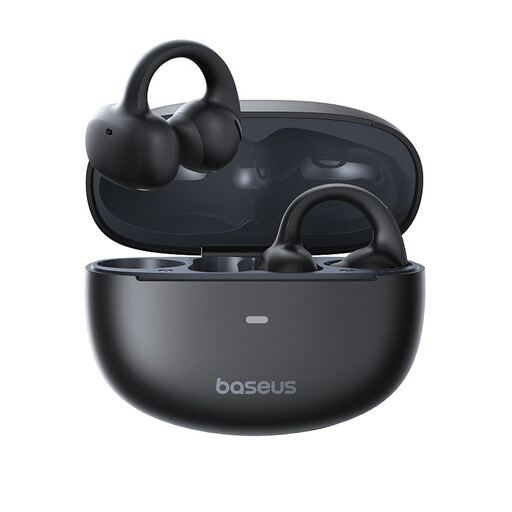
Why it suits this profile: The open-ear design lets you listen without blocking your ear canal. It can suit situations such as working when you want to hear your colleagues.
The product information states that this model isn’t water-resistant. This helps avoid assuming that open-ear earbuds are automatically suitable for exercising in the rain.
Open-ear wearing style, Bluetooth 5.4, USB-C charging port and a stated range of 10 metres in open spaces.
We’ve put together a complete, up-to-date list of products that meet these strict selection criteria and current European safety regulations.
Turn on Bluetooth on your phone, put the headphones into pairing mode and select the product name from the Bluetooth list. With some models, Google Fast Pair, Microsoft Swift Pair or a brand app can help with the initial connection. If pairing doesn’t work, remove any previous connection and make sure the device is sufficiently charged.
Usage time per charge varies considerably. Earbuds often last a few hours, after which the charging case provides extra charges. Over-ear headphones may play for longer on a single charge. The product’s overall lifespan depends on factors including battery wear, charging habits, moisture and physical strain. Keep earbuds in their case, and avoid heat and prolonged exposure to water.
Yes, if the model has a microphone and a suitable call feature. Multiple microphones and noise reduction for calls are useful in a busy office or when you’re out and about. Check for multipoint, too, if you want to stay connected to a laptop and smartphone at the same time. Don’t use headphones when cycling, driving or in other situations where you need to be able to hear traffic and your surroundings clearly.
