
Vandaag of morgen in huis

Kwaliteit gegarandeerd

Welkomstaanbiedingen ontgrendelen: GRATIS bezorging | Tot 80% korting | Gratis 30 dagen JoyPlus-proefperiode
Download de app
A wireless Bluetooth headphone is handy for commuting, working from home, travelling, exercising and gaming. Yet a long list of features means little if the comfort is poor, the battery life doesn't match up in real-world use, or the connection keeps dropping out.
With these checks, you can compare headphones and Bluetooth earbuds in a practical way. That way, you avoid paying for marketing terms that add little to your particular use case.
Manufacturers often state battery life under specific conditions, for example at a certain volume and with noise cancelling switched off. On some models, the stated time also applies to the earbuds and charging case combined.
So look out for:
A long battery life is especially practical during travel or workdays, but always check how the manufacturer describes the measurement.
A noise cancelling headphone uses microphones and electronic signal processing to reduce ambient noise. That doesn't mean every sound disappears completely. Low, constant noises like the rumble of a train are often easier to reduce than voices or sudden sounds.
According to the brands' own information, some models can offer a specific amount of noise reduction. Treat such figures as a product specification under certain conditions, not as a guarantee of total silence. A transparency mode can actually be useful when you need to hear traffic, announcements or colleagues.
An IPX5 or IP55 rating does not mean you can submerge your earbuds in water. The protection relates to specific conditions, such as splashes or water jets. A charging case may have different protection than the earbuds themselves.
For sport, water-resistant earbuds with a suitable IP rating are often more practical. Always dry the connections before charging and check the manual for use in rain, sweat or during intense workouts.
The right fit depends on your preference and environment:
With a headphone, pay attention to the weight, the adjustability of the headband and the shape of the ear cushions. With earbuds, different sizes of tips and a secure fit matter more than just the weight.
Bluetooth 5.2, 5.3 or 5.4 mainly says something about the connection technology used. The actual experience also depends on your phone, laptop and the software on both devices.
Multipoint Bluetooth makes it possible to keep two devices connected at the same time, for example a laptop and smartphone. Check whether the model switches automatically or whether you have to switch manually. For gaming, a low-latency mode is useful, but wireless audio can still have some delay.
A stable connection is affected by distance, obstacles and other wireless devices. A stated range of 10 metres usually applies without major obstacles.
For phone calls, the number of microphones, their placement and the noise reduction software are relevant. Claims like "AI noise reduction" come from the brand's product information and are no guarantee that every voice will sound clear in a busy environment.
If you have lots of meetings, it's better to look at:
The following selection is based on the stated product specifications, connections, fit type and features. Before buying, check the current price, stock and full product information.
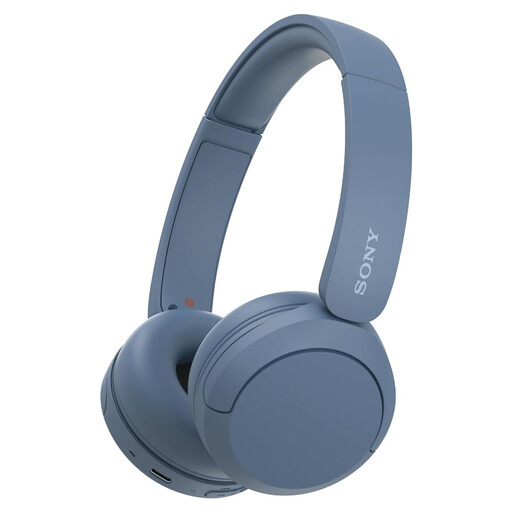
Why this fits the profile: A lightweight on-ear headphone for daily listening, calls and on the go. The adjustable headband and buttons are straightforward to use.
The product specifications mention the weight of 147 grams, USB-C charging and multipoint. The stated battery life is given as up to 50 hours in the product information; also check the technical specification table.
147 grams, multipoint connection, microphone and USB-C port.
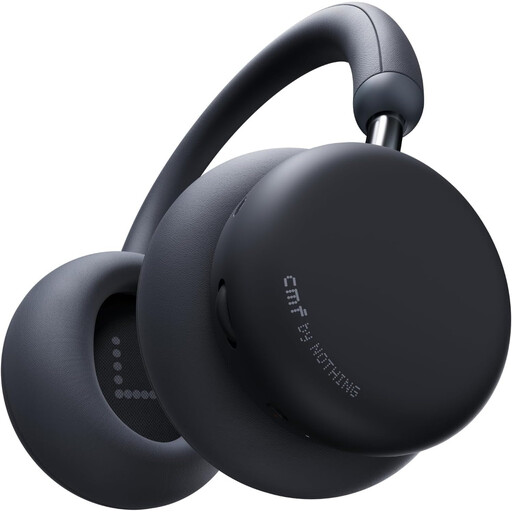
Why this fits the profile: An over-ear model for home, office and travel, with multiple ANC modes and support for both wireless and wired listening.
The product information distinguishes between battery life with ANC on and off. This means you can better assess the stated 100 hours without ANC and 48 hours with ANC in the right context.
40mm drivers, LDAC support, multipoint and USB-C fast charging.
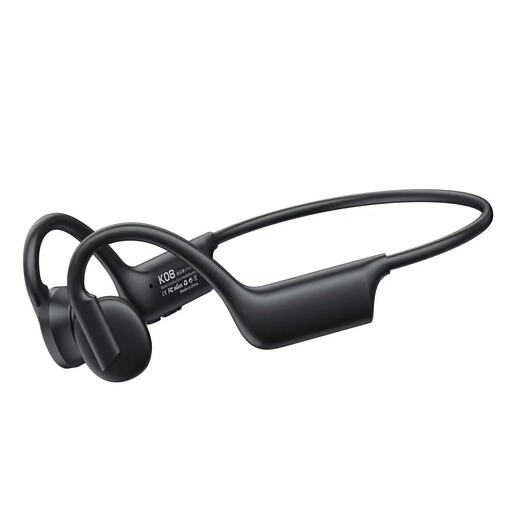
Why this fits the profile: Designed for running and cycling when you don't want to completely block out your ears. The ear hook design is intended for a secure fit.
The open fit prevents you from automatically choosing a closed in-ear model for sport. The manufacturer states a battery life of up to 8 hours and advises avoiding prolonged exposure to water.
Bone conduction design, Bluetooth, call function and multi-device connection according to the product description.
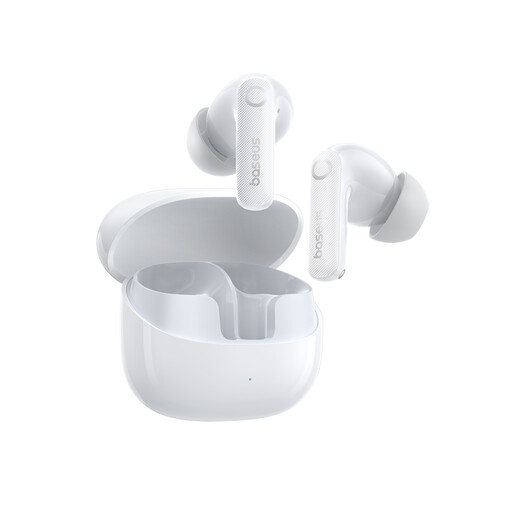
Why this fits the profile: A compact in-ear model with ANC, multiple codecs and a charging case for users who are often on the move.
The specifications separately state 11 hours of listening time per earbud at 50% volume and 55 hours with the case. IP55 is also listed as splash resistance, not as protection against submersion.
Bluetooth 5.4, USB-C, LDAC, AAC and SBC support, plus hybrid ANC according to the product specifications.
We've put together a full, up-to-date list of products that fully meet these strict selection criteria and current European safety regulations.
Turn on the headphone and activate pairing mode. Then open the Bluetooth settings on your phone and select the name of the device. Some models work with Google Fast Pair or Microsoft Swift Pair for a quicker setup. If it doesn't work, remove an old pairing and try again.
The lifespan depends on the battery, hinges, ear cushions, charging connector and how you look after it. Charge the device in a dry place, avoid extreme heat and don't leave it completely flat for long periods. You can clean ear cushions and tips regularly according to the manual. With heavy use, the battery capacity may decrease over time.
Yes, active noise reduction uses extra energy. How much difference that makes varies by model. So always compare the battery life with ANC on and off. Use transparency mode or ANC off when you're listening in a quiet room and want to save battery. When in traffic or cycling, stay alert to your surroundings.
