
Vandaag of morgen in huis

Kwaliteit gegarandeerd

Welkomstaanbiedingen ontgrendelen: GRATIS bezorging | Tot 80% korting | Gratis 30 dagen JoyPlus-proefperiode
Download de app
A wireless Bluetooth headphone might seem straightforward to choose at first glance. Yet terms like “noise cancelling”, “long battery life” and “waterproof” can give an incomplete picture. One headphone is suitable for a train journey, while another model is better suited to running or cycling. You often only notice a wrong choice after a few weeks: a poor fit, a battery that drains quickly, or a product that can’t handle moisture.
In this buying guide, we’ll help you compare based on verifiable specifications. We’ll also discuss when Bluetooth earbuds, a bone conduction headphone, an open-ear headphone, or even a Bluetooth speaker might be a more logical choice.
A stated playback time usually depends on volume, codec, lighting and active features. With some products, it refers to the battery in the earbuds themselves; with others, it’s the total duration including the charging case.
So pay attention to:
With the Sony WH-CH520, for example, the product description mentions up to 50 hours, while the specification block states 40 hours. That difference is precisely why you shouldn’t rely solely on a big marketing claim.
An IP rating indicates the conditions a product is protected against according to the stated specification. IPX5, for example, is intended for water jets, while IPX7 denotes temporary immersion under certain conditions. That doesn’t mean you can use every product in a swimming pool for long periods.
Always check:
Do not use a standard on-ear headphone, such as the Sony WH-CH520, in wet conditions. The product information states that this model is not water-resistant.
Active noise cancellation, often referred to as ANC, uses microphones and electronic processing to reduce ambient noise. Its performance varies depending on the situation. Low, constant sounds like train or aeroplane noise are generally a different type of sound source than voices or sudden noises.
Note the difference between:
Claims about, for example, a specific number of decibels should be read as a brand claim. According to MINISO’s own information, the MS106 offers adaptive noise cancellation of up to -50 dB. That’s no guarantee that every ambient sound will be reduced equally in every situation.
An over-ear headphone encloses the ear and can be comfortable for home use and travel. An on-ear model rests on the ear and is often more compact. Wireless earbuds and sports earphones are small, but the right size of ear tip largely determines how securely they stay in place.
A bone conduction headphone and other open-ear headphones leave the ear canal largely free. This can be handy when cycling or running, as you can remain more aware of your surroundings. However, the sound experience and bass reproduction are different from sealed earbuds. When using them in traffic, always use your own judgement and follow the traffic rules.
Bluetooth 5.2, 5.3 or 6.0 doesn’t just say something about the headphone, but also about compatibility with your phone, tablet or laptop. A newer Bluetooth version doesn’t automatically mean greater range or better sound quality.
Multipoint is practical if you want to connect to your laptop and smartphone at the same time, for example. Do check whether the product actually supports this and whether both devices can remain connected simultaneously.
For commuters, a long battery life can be more important than an extra bass feature. For athletes, weight, fit and sweat resistance matter more. Also check the weight: a lightweight headphone can be more comfortable during long listening sessions, while larger models often have roomier ear cushions and a more powerful battery.
Also look out for USB-C, the included cable, physical buttons and the availability of an app. Simple controls can be more reliable on the go than touch controls alone.
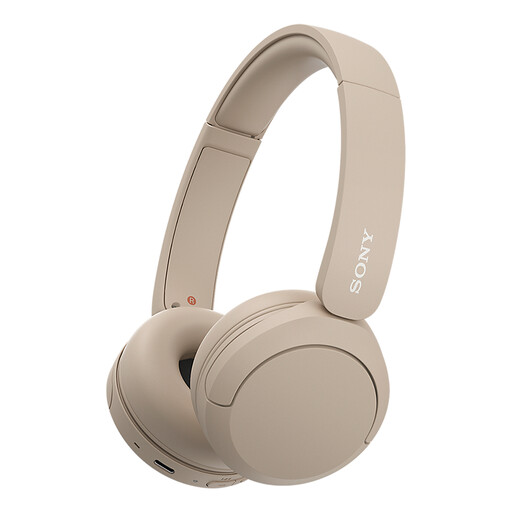
Why this fits the profile: A compact on-ear headphone for music, podcasts and calls at home, in the office or on the go.
The product information clearly states Bluetooth, multipoint and microphone features. However, be aware of the different stated battery life values and the lack of water resistance.
On-ear design, USB-C, multipoint and a stated weight of 147 grams.
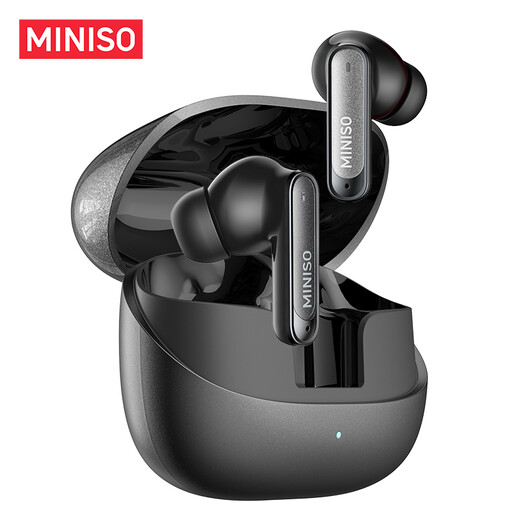
Why this fits the profile: Suitable for those looking for compact Bluetooth earbuds with app-like features, touch controls and support for phone calls.
The listing mentions IPX5 and a charging function, but this is not a model for immersion. Do not use the earbuds while swimming.
According to MINISO’s own information: up to 55 hours total battery life, Bluetooth 6.0 and a microphone with noise reduction.
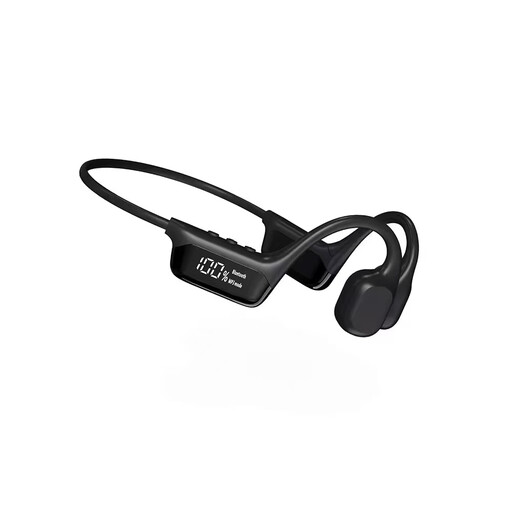
Why this fits the profile: An open-ear bone conduction headphone for running, cycling and situations where you want to remain aware of ambient sound.
The product information mentions a swimming mode and IPX7, but also states that the charging port must be dry. For swimming, an internal MP3 mode may be required; check this before use.
Open-ear design, Bluetooth 5.3, multipoint and a stated weight of 80 grams.
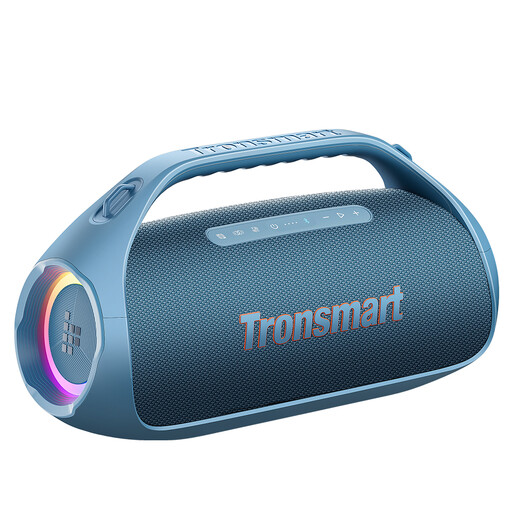
Why this fits the profile: For those who aren’t looking for a headphone, but a portable Bluetooth speaker for the garden, camping or a gathering.
The stated IPX6 rating is suitable for protection against water jets, not immersion. The stated playback time also varies with volume and LED lighting.
Bluetooth 5.3, IPX6, support for TWS and, according to the product information, up to 26 hours of playback without LED lighting.
We’ve put together a full, up-to-date list of products that fully meet these strict selection criteria and comply with current European safety regulations.
First charge the device and activate Bluetooth on your phone. Put the headphone into pairing mode and select the product name from the Bluetooth list. If the connection doesn’t work, remove an old pairing and try again. With multipoint, you sometimes need to connect one device first and then the second.
The service life depends on battery capacity, charging habits, volume and exposure to moisture. A battery loses capacity over time. Store the headphone in a dry place, use a suitable USB-C charger and let a sports model air out properly after use. Manufacturer claims about battery life are usually maximum values under specific conditions.
During use, power consumption is limited. Most energy goes to the battery of the headphone or earbuds; with a charging case, there’s additional charging loss. ANC and high volumes can shorten the usage time. For occasional use, compact Bluetooth earbuds are often practical, while a model with long battery life needs to be charged less frequently.
