
Vandaag of morgen in huis

Kwaliteit gegarandeerd

Welkomstaanbiedingen ontgrendelen: GRATIS bezorging | Tot 80% korting | Gratis 30 dagen JoyPlus-proefperiode
Download de app
When you’re looking for wireless Bluetooth earbuds and headphones, you’ll soon come across terms such as noise cancelling, AI calls, hi-fi and battery life measured in dozens of hours. These features sound appealing, but they don’t always tell you how comfortable a product will be on the train, while exercising or at the office. The right choice depends above all on fit, how you’ll use it and verifiable specifications.
A quoted playback time may refer to a single full charge, or to the combined battery life of the earbuds and charging case. That difference matters. A set offering 6 hours per charge and 23 hours with the case works differently from headphones that can play for 55 hours without needing to be recharged.
So check:
Noise-cancelling earbuds can use different technologies. Active noise cancellation, often called ANC, uses electronics to reduce background noise. Passive isolation comes mainly from how well the earbuds seal in your ears. A microphone with ENC or noise reduction is primarily designed for phone calls; it doesn’t automatically mean that music is fully shielded from outside noise.
According to brands’ own product information, the number of microphones or quoted decibel levels can help make calls clearer. Treat these claims as manufacturer specifications, not as a guarantee of the same experience in every environment.
In-ear models seal off the ear and are compact. That’s handy for commuting, but not everyone finds them comfortable to wear for long periods. Earhook models often stay more securely in place while you’re moving. Over-ear headphones distribute pressure across your head and can be suitable for travel or working from home, but they’re larger and can feel warmer around your ears.
Bluetooth 5.3 or 5.4 indicates a recent connection standard, but your experience also depends on your phone, tablet or laptop. Check whether the model also supports multipoint, codecs such as AAC or LDAC, and a range of around 10 metres. For a Bluetooth headset for work, a stable connection matters more than a long list of marketing terms.
If you make frequent calls, check the number and position of the microphones, as well as the available call controls. Earbuds with a microphone may have touch controls or physical buttons. Touch controls are compact, while buttons are often easier to use with gloves on or while walking.
An IP code consists of two digits, or a digit and a letter. In practice, IPX4 means protection against splashes, while IPX5 indicates protection against water jets. Neither means that the product is suitable for submersion. Also check whether the charging case has the same protection; this isn’t always the case.
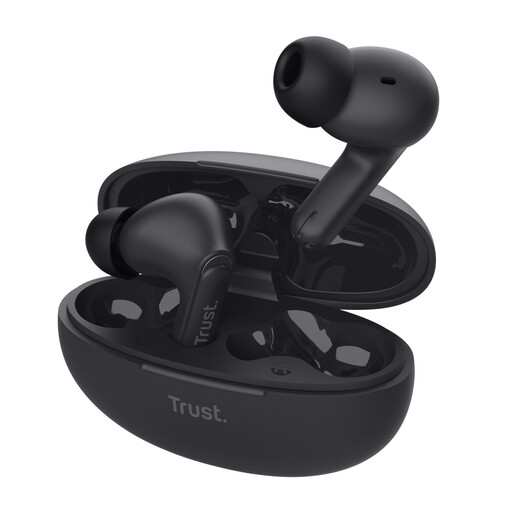
Why it suits this user: These true wireless earbuds are designed for everyday listening, calls and travel. The touch controls make them easy to use.
The product specifications list 6 hours of playback on a single charge and 23 hours with the charging case. That makes it clear what you can expect from each charge. The IP specification lists passive noise isolation, not active ANC.
Bluetooth 5.1, USB-C, touch controls, a microphone and a charging case. According to the product description, 35% of the plastic is made from recycled material.
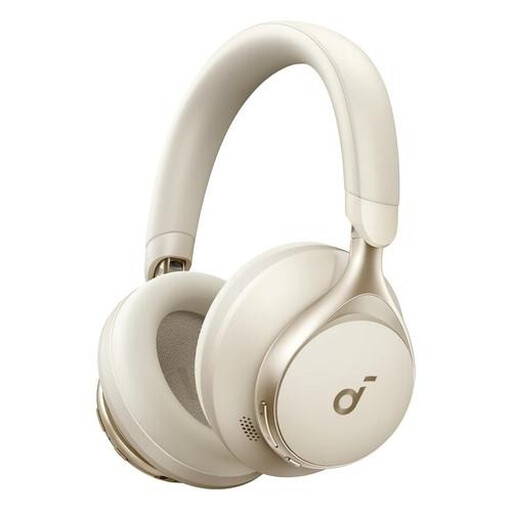
Why it suits this user: The over-ear design, control buttons and choice of wireless or wired connection make these headphones a good fit for working from home, travelling and listening for long periods.
Battery life is specified at up to 55 hours. You can also use Bluetooth, a 3.5mm socket or the included AUX cable if you’d rather not listen wirelessly.
40mm dynamic drivers, three microphones, USB-C charging, a foldable design and a weight of 259 grams.
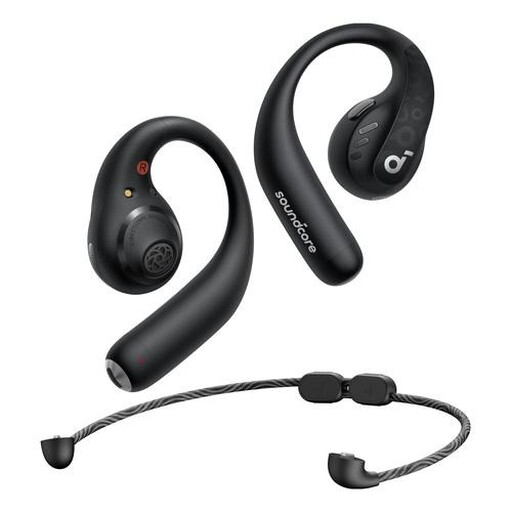
Why it suits this user: The earhook design is made for sports, walking and everyday use where a secure fit matters.
The IPX5 rating makes the choice clearer: according to the product specifications, it offers protection against water jets, but isn’t suitable for submersion. The earhook is designed to keep the earbuds in place while you move.
Bluetooth 5.3, AAC, LDAC and SBC profiles, buttons for calls and music, and up to 14 hours of playback.
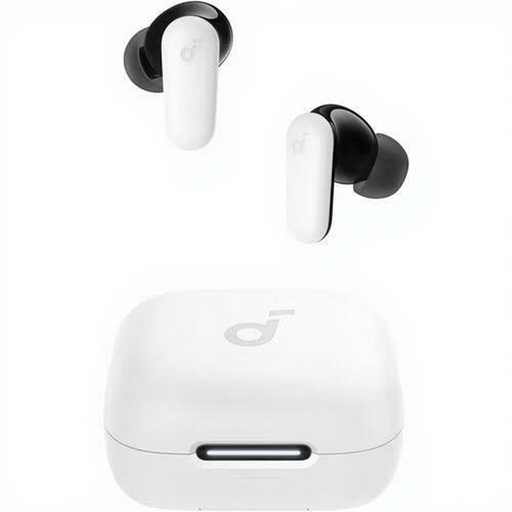
Why it suits this user: This compact model is a good choice if you’re looking for a wireless headset for calls and music, with USB-C and a charging case.
The specifications list four microphones, Bluetooth 5.4 and a separate playback time of up to 10 hours. That puts the key call and battery details side by side.
IP54 rating, touch controls, USB-C cable, charging case and stereo sound for calls and music.
We’ve put together a complete, up-to-date list of products that meet these strict selection criteria and the applicable European safety regulations.
First, charge the earbuds and put them into pairing mode. Then open the Bluetooth settings on your smartphone and select the product name. If pairing doesn’t work, remove any previous connection from the Bluetooth list and try again. For specific models, refer to the supplied manual.
Battery life per charge varies considerably: for the models mentioned, it ranges from around 6 to 14 hours. A product’s total lifespan depends on charging cycles, heat, moisture and everyday use. Keep your earbuds dry, charge them with a suitable USB-C cable and avoid exposing them to high temperatures for long periods.
That depends on the fit and IP rating. Sports earbuds with an earhook may stay more securely in place while you’re moving. An IPX4 or IPX5 rating offers protection against splashes or water jets, but not submersion. Don’t use earbuds while cycling or in situations where you need to be able to hear your surroundings and traffic clearly.
