
Vandaag of morgen in huis

Kwaliteit gegarandeerd

Welkomstaanbiedingen ontgrendelen: GRATIS bezorging | Tot 80% korting | Gratis 30 dagen JoyPlus-proefperiode
Download de app
When buying wireless Bluetooth earbuds and headphones, people often look first at sound quality, discounts or long battery life. But the difference between a good purchase and a disappointing one usually comes down to details such as fit, water resistance and what technical claims actually mean. This matters whether you’re a commuter, working from home, exercising, gaming or enjoying music.
In this guide, we explain which specifications are worth checking in the UK and which models suit different ways of listening.
Manufacturers often quote total playtime, including the charging case. With true wireless earbuds, listening time on a single charge is usually much shorter. Features such as ANC, high volume and calls using the microphone can also drain the battery faster.
So always check:
An IP rating describes protection against dust and water in specific conditions. IPX5, for example, is designed to protect against water jets, such as rain or sweat, but not submersion. IPX7 offers greater protection against temporary submersion under the relevant rating, but always check the official product information and any limitations.
Also check the charging case. It may not have the same water resistance as the earbuds. Let the USB-C port dry completely before charging.
ANC reduces surrounding noise through active noise cancellation. This is especially useful on trains, planes or in the office. ENC is generally designed to improve voice pickup during phone calls. A product with several microphones may therefore be better suited to calls, but that doesn’t automatically mean it blocks out all music or surrounding sound.
Claims such as “99.7% less surrounding noise” or “filters 90% of background noise” come from the brand’s product information. Don’t treat them as a universal guarantee: your experience will depend on factors such as fit, surroundings and the direction of your voice.
Choose between:
A good fit matters more than simply having large drivers. Silicone ear tips should fit securely without causing pressure. With open-ear models, you can still hear what’s around you, but music may be less prominent on a busy train.
Bluetooth 5.3, 5.4 or 6.0 mainly indicates the type of wireless connection and power management. It doesn’t automatically guarantee better sound. Also check which codecs are supported, such as SBC, AAC or LDAC, and whether your smartphone is compatible with them.
Low latency is useful for gaming and watching videos. A dedicated gaming mode may improve synchronisation, but performance varies by device and application. For calls, a built-in microphone and microphone noise reduction matter more than the Bluetooth version alone.
A clear IP rating is useful for sports earbuds. Don’t use water-resistant earbuds in a swimming pool unless they’re explicitly rated for it. For everyday travel, headphones without water resistance may be perfectly suitable, as long as you protect them from rain.
Headphones with long battery life are handy for longer journeys. According to Marshall’s product information, the Marshall Major V offers more than 100 hours of wireless playtime. UGREEN’s product information lists 75 hours without ANC and 45 hours with ANC for the UGREEN Max5c. Always compare these figures under the same conditions.
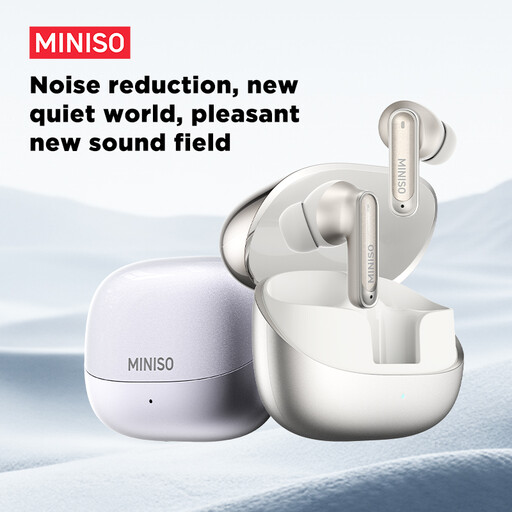
Why it suits this type of listener: These true wireless earbuds combine a compact design with a built-in microphone, touch controls and a charging case. According to MINISO’s product information, they’re designed for the office, studying, exercise and phone calls.
The product information lists 55 hours of total battery life, IPX5 protection and a fast-charging feature. Bear in mind that IPX5 isn’t suitable for swimming or submersion.
10mm dynamic drivers, six microphones according to the product specifications, and support for connecting to two devices.

Why it suits this type of listener: According to Samsung, these ANC earbuds feature a 2-way speaker system, 24-bit/96kHz audio, 360 Audio and integration with Galaxy devices.
The specifications give separate battery-life figures for ANC on and off: 6 and 7 hours respectively. The IP57 rating is designed to protect against dust and splashes, not swimming.
Bluetooth 6.1, six microphones according to the product information, wireless charging, and touch and gesture controls.
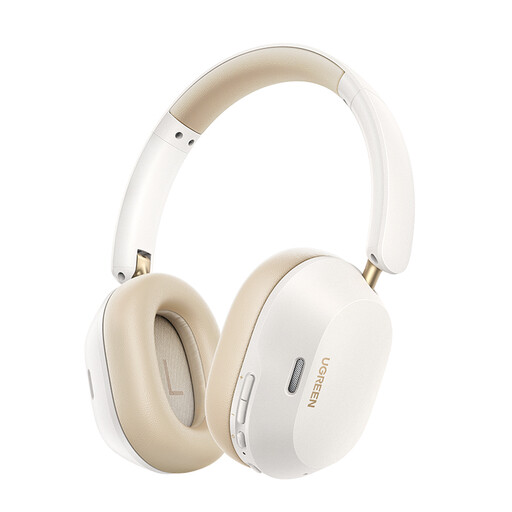
Why it suits this type of listener: These wireless headphones are designed for travel, working from home, online meetings and listening via Bluetooth or a cable.
Playtime is listed separately for ANC on and off. As this model isn’t water-resistant, it’s less suitable for intense outdoor exercise in the rain.
40mm drivers, support for AAC, SBC and LDAC, an app with an equaliser and a transparency mode.
We’ve put together a complete, up-to-date list of products that meet these strict selection criteria and comply with current European safety regulations.
Open the charging case or switch on your wireless headphones. On your smartphone, go to Settings > Bluetooth, turn Bluetooth on and select the product name. You may need to confirm the connection the first time you pair. If pairing doesn’t work, charge both devices and remove any old Bluetooth connection from the list.
Their lifespan depends on battery use, charging cycles, heat, moisture and maintenance. Keep your earbuds in their case, avoid extreme temperatures and don’t charge them while the port is damp. Playtime generally decreases as the built-in battery gets older.
They can be, but ANC is mainly designed to reduce noise for the listener. For calls, the number and placement of microphones, along with voice noise-reduction software, are important. So alongside ANC, check the call specifications and compatibility with your smartphone or computer. When cycling, driving or crossing the road, always make sure you can hear enough of your surroundings.
