
Vandaag of morgen in huis

Kwaliteit gegarandeerd

Welkomstaanbiedingen ontgrendelen: GRATIS bezorging | Tot 80% korting | Gratis 30 dagen JoyPlus-proefperiode
Download de app
Wireless Bluetooth earbuds are handy for commuting, working from home, exercising and making calls. However, a long list of features doesn't automatically mean a model will suit your daily use. A low price can be tempting, but a poor fit, a mediocre microphone or disappointing battery life can quickly become frustrating.
In this guide, you'll discover which specifications you really need to check, which marketing claims to take with a pinch of salt, and which Bluetooth earbuds suit different situations.
Manufacturers often quote the playback time including the charging case. That figure isn't the same as the playback time of a single earbud. Settings such as active noise cancellation, high volume and phone calls can also affect battery life.
So, look out for three separate pieces of information:
A model offering, for example, 8 to 11 hours per charge may be enough for a working day. If you want to listen for several days without access to a plug socket, it's better to look at the total capacity of the case.
Earbuds with noise cancellation use microphones and software to reduce ambient noise. According to manufacturers' own product information, performance can vary from model to model. Constant sounds, such as the hum of a train or plane, are typically a key target for this feature. Voices and sudden noises may still be audible.
Also check whether a transparency mode is available. This lets you hear ambient noise more clearly without removing the earbuds. It's practical on the street, in an office or during a conversation.
The IP rating indicates the conditions a product is protected against, according to the stated specification. IPX4, for example, means splash resistance, while IP54 combines protection against dust and splashes. This doesn't mean you can submerge the earbuds or use them for long periods in heavy rain.
Dry the earbuds and the charging port before charging them. Also check whether the rating applies to the charging case; it may have a different level of protection.
Bluetooth 5.3 and Bluetooth 5.4 are modern versions often mentioned in product specifications. However, the actual connection also depends on your smartphone, laptop or tablet. For everyday listening, stability, easy pairing and possibly multipoint are more important than just the highest version number.
If you frequently switch between a laptop and phone, look for multipoint or a similar feature. Always check whether the product actually supports two devices at the same time. A long range stated on the packaging doesn't automatically mean that range will be the same indoors.
The driver partly determines how the sound is reproduced. A larger driver isn't automatically better; tuning, fit and the audio codec used also play a role. Some models support SBC and AAC, while others also mention LDAC.
For music and films, a good seal and an adjustable equaliser are often practical. For gaming, low latency can help synchronise picture and sound more effectively. The Edifier X1 Lite, for example, states a latency of 60 ms according to the product information. The actual experience may depend on the device, app and connection.
True wireless earbuds need to sit securely without constant pressure. In-ear models seal the ear canal more, while ear-hook or open models feel different and may let in more ambient noise.
For calls, check:
A lightweight model isn't necessarily more comfortable for everyone. The shape of your ear and the included ear tips determine how stable the product feels.

Why this fits the profile: This model combines Bluetooth 5.4, a weight of 4 grams per earbud and a stated total playback time of 26 hours. That makes it suitable for everyday listening, podcasts and simple phone calls.
The product information states both 7 hours per charge and 19 hours via the case. IP54 is also listed as sweat resistance; submersion is not intended.
Bluetooth 5.4, 60 ms low latency, USB-C quick-charge feature and control via the Edifier ConneX app.
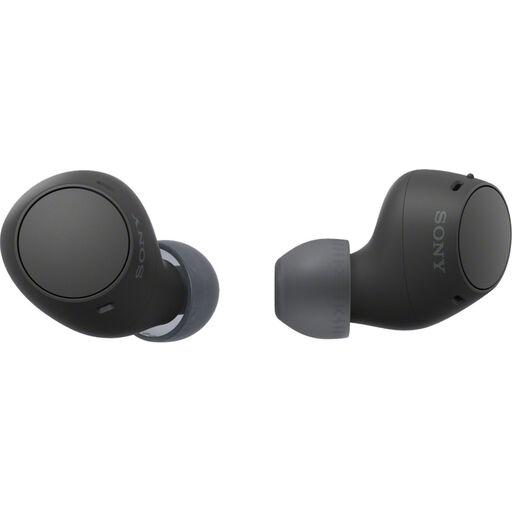
Why this fits the profile: The Sony WF-C510 is aimed at users looking for a compact in-ear model with multipoint and app settings for phone and laptop.
The stated battery life is 22 hours including the case, so you won't confuse this figure with the playback time per charge. IPX4 is suitable for splashes, not submersion.
Bluetooth 5.3, AAC and SBC codecs, multipoint, microphone and an equaliser in the Sony app.
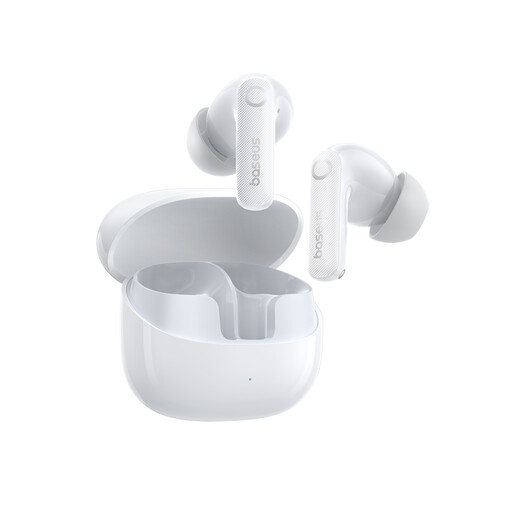
Why this fits the profile: This model is aimed at users who want noise cancellation, multiple audio codecs and longer battery life for travel, work and music.
The specifications state 11 hours of listening at 50% volume and 55 hours with the case. The IP55 rating is splash-resistant; the manufacturer warns against submersion.
Bluetooth 5.4, SBC/AAC/LDAC, adaptive ANC according to the product information, six microphones and USB-C.
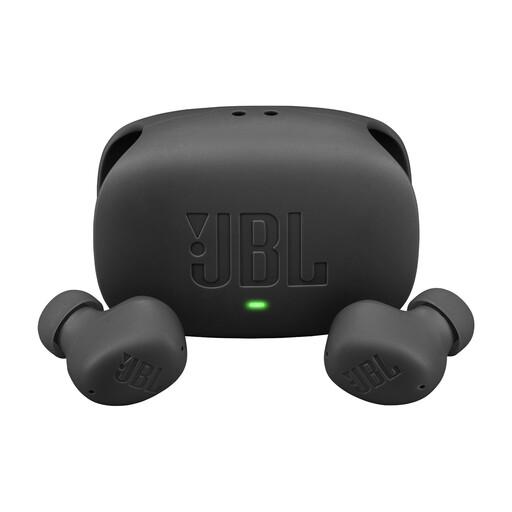
Why this fits the profile: The JBL Wave Buds 2 are designed for daily use with ANC, multipoint and a microphone for calls and music.
The stated 40 hours applies, according to JBL, with ANC switched off. With ANC, battery life may therefore be lower. IP54 applies to the earbuds; the case has IPX2.
Up to 8 hours of playback time according to the specifications, multipoint, Smart Ambient, USB-C quick charging and control via the JBL app.
We've put together a full, up-to-date list of products that fully meet these strict selection criteria and comply with current European safety regulations.
Use this quick checklist before you order:
First, charge the earbuds, open the case and activate Bluetooth on your phone. Select the product name from the list of available devices. Some models require an app for settings, firmware updates or custom controls.
The lifespan depends on charging cycles, usage, storage and maintenance. Store the earbuds in the case, keep the charging contacts clean and avoid heat and moisture. Battery capacity typically decreases over time. A model with a larger case capacity can be practical if you're often on the go.
That depends on the fit and IP rating. Sports earbuds with an ear hook or a secure in-ear fit may stay in place better during movement. IP54, IP55 or IPX5 can offer protection against sweat and splashes according to the product specification, but none of these ratings automatically makes a product suitable for swimming or submersion.
