
Vandaag of morgen in huis

Kwaliteit gegarandeerd

Welkomstaanbiedingen ontgrendelen: GRATIS bezorging | Tot 80% korting | Gratis 30 dagen JoyPlus-proefperiode
Download de app
Wireless Bluetooth earbuds are handy for commuting, studying, phone calls and exercise. However, there are clear differences between models. A low price may seem appealing, but a poor fit, unclear water resistance or a weak microphone can quickly make daily use less enjoyable.
Pay particular attention to three common pitfalls:
True wireless earbuds usually sit inside the ear canal and partially block out ambient noise. That can be pleasant on the train or during focused work. The right size of ear tip is important: a fit that is too loose reduces the bass and can cause the earbuds to fall out.
Clip-on sports earbuds hook around or onto the ear. They are practical for walking, fitness and running because they are less likely to shift. An open design lets in more ambient noise. That is useful in traffic, but can affect the music experience in a busy environment.
An open-ear headphone or bone conduction headphone does not touch the ear canal in the same way as in-ear earbuds. The product description may state that such models are suitable for cycling, running or swimming, but always check the exact water resistance and usage mode.
An IP code consists of two digits. The first digit concerns protection against solid particles, the second against water. With earbuds, you might see, for example:
The case sometimes has a different rating from the earbuds. Never charge a wet product. For swimming models, you should also check whether Bluetooth works during swimming or whether music must first be stored in internal memory.
Bluetooth 5.3, 5.4 or a later version can contribute to a stable connection and lower energy consumption, but the listening time also depends on volume, codec, distance and features such as ANC. Therefore compare:
For earbuds with a microphone, the number of microphones and the described noise reduction are relevant points to check. According to the product information from some brands, algorithms can reduce ambient noise during calls. That is a claim from the product description of the brand and not a guarantee for every room, wind strength or phone.
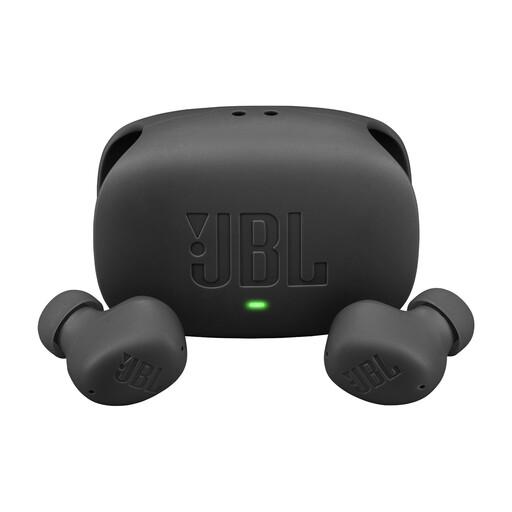
Why this fits the profile: A versatile choice for daily listening, calls and travel, with a charging case and app settings for sound and controls.
The product information states a concrete IP54 rating for the earbuds, multipoint and a play time of up to 40 hours with ANC off. The case has IPX2; therefore avoid wet conditions for the case.
ANC, Smart Ambient, USB-C fast charging and support for two devices according to the product description.

Why this fits the profile: Aimed at users who place great value on adjustable sound, active noise cancellation and features within a Galaxy ecosystem.
The listing mentions separate battery life with ANC on and off, plus IP57. That makes comparison clearer, but IP57 means swimming is not permitted according to the safety information.
2-way speakers, six microphones, Bluetooth 6.1, wireless charging and a 9-band equaliser according to Samsung.
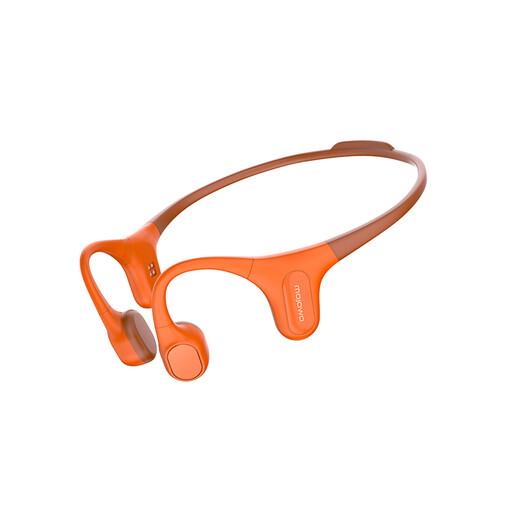
Why this fits the profile: An open design for running, cycling, the gym and use where you want to remain aware of your surroundings.
The product name and information mention IP68 and 32 GB storage. Rinse the model after contact with salt water, dry it thoroughly and follow the instructions for charging.
Open-ear bone conduction design, 32 GB built-in storage and a water resistance claim specifically aimed at swimming.
We have compiled a full, up-to-date list of products that fully meet these strict selection criteria and comply with current European safety regulations.
First charge the earbuds and case. Then open the Bluetooth settings on your phone, take the earbuds out of the case or activate pairing mode, and select the product name. Some models require a brand app for the equaliser, firmware and touch controls.
The lifespan depends on charging cycles, heat, moisture and daily use. The battery capacity decreases over time. Store the earbuds in the case, avoid prolonged heat and do not use a damaged cable or adapter. The stated play time is a product specification and not a fixed lifespan.
They can be, but check the microphone configuration and the manufacturer's description. ANC mainly reduces ambient noise for the listener. For the person on the other end of the call, microphones and software-based voice noise reduction are at least as important. Therefore look specifically at models offered as earbuds for calls and music.
