
Vandaag of morgen in huis

Kwaliteit gegarandeerd

Welkomstaanbiedingen ontgrendelen: GRATIS bezorging | Tot 80% korting | Gratis 30 dagen JoyPlus-proefperiode
Download de app
Wireless Bluetooth earbuds are handy for commuting, phone calls, exercise and everyday listening. Yet many models look similar, while the differences in comfort, battery life and water resistance can be significant. A low price doesn't automatically tell you about the running costs, and an impressive specification isn't always relevant to your situation.
Pay particular attention to three common pitfalls:
Check whether the stated playtime applies per earbud or includes the charging case. A model with 8 to 10 hours of playback per charge can be enough for a working day, while a case offers several extra charges.
Fast charging is useful when you often forget to charge. Also check whether a USB-C connection is supplied and whether the cable is included in the box. With some headphones, the cable is not included.
The IP code indicates which influences a product is protected against. A rating such as IPX4 indicates protection against splashing water. IPX5 offers, according to the product specification, protection against water jets at low pressure. That does not make a product suitable for submersion.
Water-resistant earbuds are therefore usable in light rain or during perspiration, but always follow the usage instructions. The charging case may have a different IP rating than the earbuds.
For calls, the number of microphones and their placement are relevant points to check. Some Bluetooth earbuds with a microphone use multiple microphones for voice capture or noise reduction during conversations. According to a brand's own research or claims, this can improve clarity, but the actual experience also depends on wind, distance from the phone and the environment.
Also check:
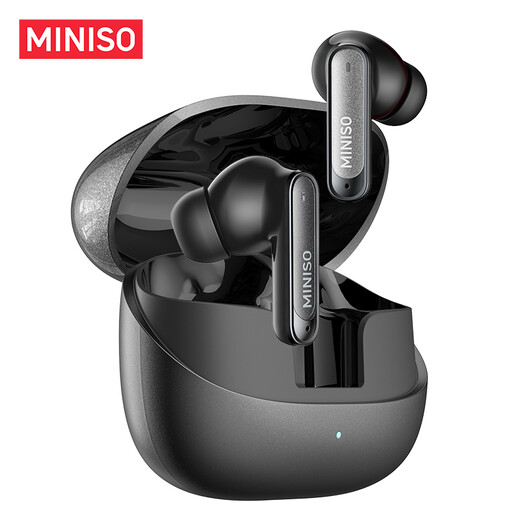
Why this fits the profile: A compact choice for music, calls, study and daily travel. The product description mentions TWS, a built-in microphone, Bluetooth 6.0 and a charging case.
The stated battery life of 55 hours applies, according to the product description, as total usage time. Check the actual contents of the box and the conditions for fast charging at the time of purchase.
According to the product description: IPX5, 10mm dynamic driver, six microphones and support for connecting to two devices.
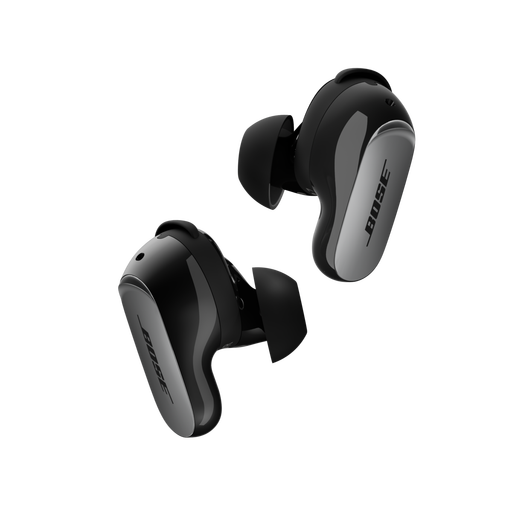
Why this fits the profile: Suitable for travellers and office workers who value active noise cancelling, an adjustable fit and multipoint connection.
The Aware mode offers, according to the product description, the ability to let ambient sound through. The IPX4 rating makes it clear that this is splash resistance, not submersion protection.
Bluetooth 5.3, multipoint, USB-C and wireless charging of the case; the stated listening time is up to 6 hours per charge.
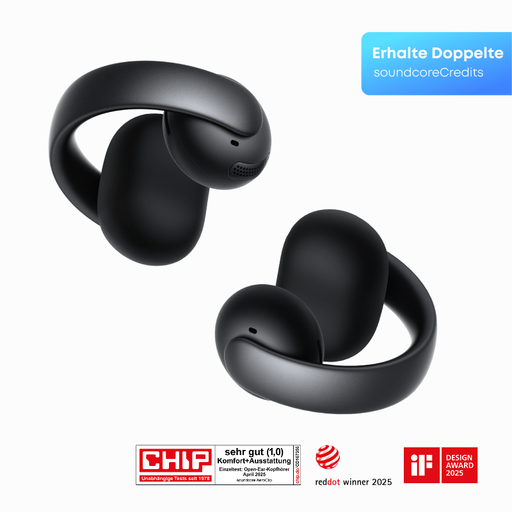
Why this fits the profile: The open-ear clip-on wear style is designed for walking, exercise and daily use where you want to stay more aware of your surroundings.
The open construction prevents you from relying entirely on sealing and noise cancelling. Bear in mind that ambient sound can also affect the perceived music playback.
According to the product description: four beamforming microphones, a 12 x 12mm driver and a flexible open-ring design.

Why this fits the profile: A wireless headphone for home, travel and long work sessions. The over-ear construction offers a different fit than TWS earbuds.
The product information states a clear maximum battery life of 60 hours. Because the model is not water-resistant, it is less suitable for rain or intensive exercise.
According to the product specifications: active noise cancelling, four microphones, USB-C fast charging and an over-ear design with padded ear cushions.
We've put together a full, up-to-date list of products that fully meet these strict selection criteria and comply with current European safety regulations.
First charge the earbuds, open your phone's Bluetooth settings and select the product name. For the first pairing, the earbuds usually need to be placed in the case or put into pairing mode manually. Consult the manual if the model does not appear.
The lifespan depends on charging cycles, storage, moisture and daily use. Store TWS earbuds in the charging case, keep the charging contacts clean and avoid prolonged heat. A reduction in battery capacity over time is normal for built-in batteries.
That depends on your environment. For train journeys, flights and busy offices, noise cancelling can be useful. For cycling, walking in heavy traffic or other situations where ambient sound is important, an open design or transparency mode may be more practical. Always use a moderate volume and be aware of your surroundings.
