
Vandaag of morgen in huis

Kwaliteit gegarandeerd

Welkomstaanbiedingen ontgrendelen: GRATIS bezorging | Tot 80% korting | Gratis 30 dagen JoyPlus-proefperiode
Download de app
Wireless Bluetooth earbuds are handy for commuting, working from home, travelling and exercising. But a long list of features doesn’t automatically mean a model is right for you. For example, earbuds with noise cancelling may be less suitable for cycling, while open-ear models offer less isolation and bass.
So don’t focus only on terms such as “high-res audio”, “AI” or “long battery life”. Check the technical specifications, fit and limitations first. Read on to find out what to look for and which models suit different types of user.
Manufacturers often quote total playtime including the charging case. That’s different from the playtime of the earbuds themselves. Noise cancelling, volume, codec and phone calls can also affect battery life.
Always check:
For example, the JBL Wave Buds 2 are quoted as offering up to 40 hours of total playtime with ANC switched off. The technical specifications also list up to 8 hours of Bluetooth music playback. This difference shows why it’s important to check the full list of specifications.
IPX4 means protection against splashes, such as light rain or sweat. It doesn’t mean you can submerge the earbuds. Open-ear models may not be water-resistant at all.
So don’t use water-resistant earbuds for swimming, and avoid heavy rain unless the manufacturer explicitly says they’re suitable. Also check whether the charging case has the same IP rating as the earbuds.
Bluetooth earbuds with noise cancelling reduce background noise, but they don’t block out every sound. That can be useful on a train or in an office. When cycling, in traffic or crossing the road, being aware of your surroundings is more important.
Transparency mode lets in surrounding sounds, but it doesn’t replace paying attention to traffic. Use noise cancelling when it’s appropriate and listen at a moderate volume.
True wireless earbuds are completely wireless and usually sit in your ears with silicone ear tips. A good seal helps block out noise and can enhance bass. However, the fit varies from ear to ear. Models with multiple ear tip sizes, such as the Google Pixel Buds Pro and Bose QuietComfort Ultra Earbuds, give you more options for finding the right fit.
Open-ear earbuds and clip-on models sit on or around your ears. They let you hear more of your surroundings and can be suitable for walking, working in an office or exercising. Their sound and bass may feel different from those of closed in-ear models.
Bluetooth 5.3 or 5.4 can help provide a stable connection and lower power consumption, but your experience also depends on your phone, software and surroundings. So Bluetooth 5.3 earbuds don’t automatically offer better sound quality than a model with an older version.
Also look for:
When choosing earbuds for calls, the number and placement of the microphones matter. A model with several microphones may try to reduce background noise, but call quality also depends on wind, network connection and your phone.
So don’t just look for claims such as “clear calls”. Check for verifiable details such as the number of microphones, supported call profiles and whether wind reduction is included. Claims about AI or noise reduction come from brands’ product descriptions. Treat them as claims, not as guaranteed results in every environment.
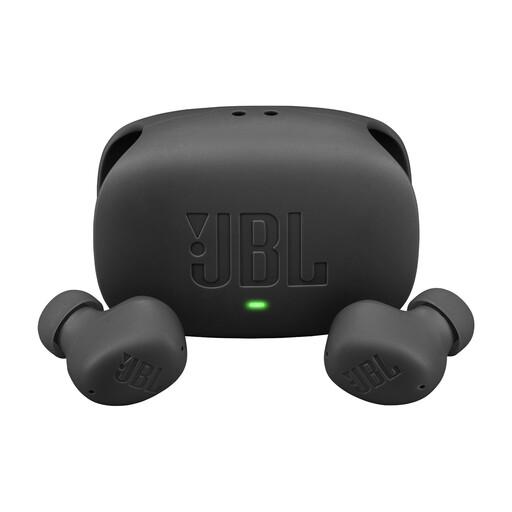
Why this model suits you: A versatile choice for everyday listening, calls and travel, with active noise cancelling, a charging case and multipoint connectivity.
The product information lists total playtime separately from the playtime of the earbuds on a single charge. It also gives the earbuds an IP54 rating, while the case is rated IPX2.
ANC, Smart Ambient, USB-C fast charging and support for two devices. The detailed specifications list up to 8 hours of Bluetooth playback.
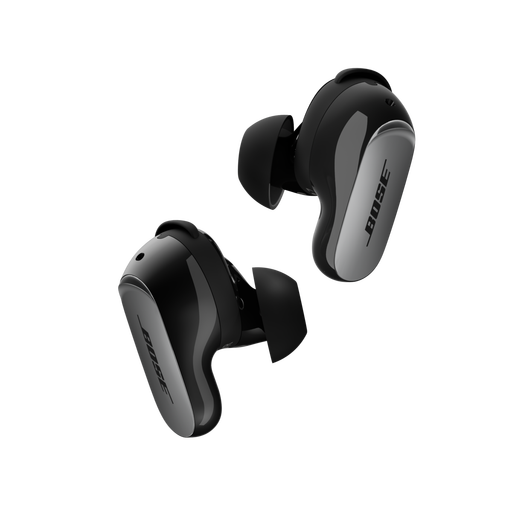
Why this model suits you: Designed for users who value in-ear comfort, active noise cancelling and adjustable sound for travel and everyday use.
Battery life is clearly stated as up to 6 hours per full charge. Aware mode offers an alternative to completely blocking out surrounding sounds.
Bluetooth 5.3, multipoint, USB-C and wireless charging. According to the product description, CustomTune adjusts the sound to the shape of your ear.
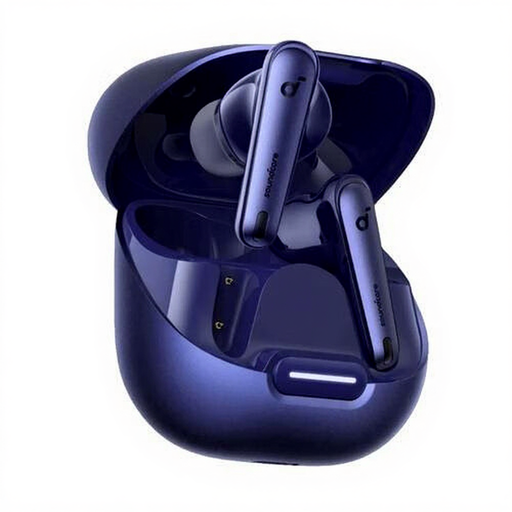
Why this model suits you: A good fit for travellers and people working from home who want to combine noise cancelling, long listening sessions and clear calls in one pair of true wireless earbuds.
The product details list both 10 hours of playback per charge and a charging case. The IPX4 rating makes clear that the earbuds are splash-resistant, not suitable for submersion.
Bluetooth 5.3, six microphones, USB-C and wireless charging. The product description quotes up to 50 hours of battery life, depending on your settings.
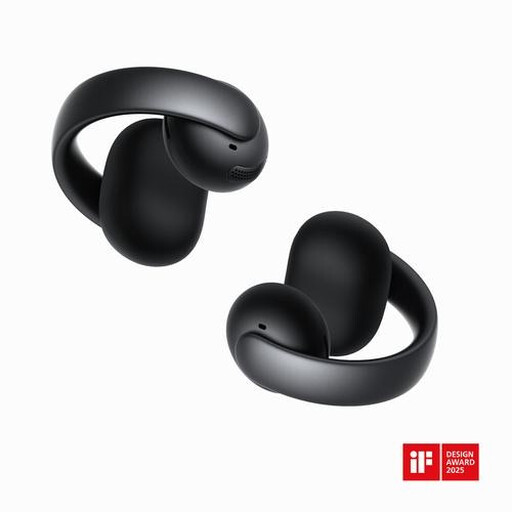
Why this model suits you: The open-ear clip-on design is made for walking, exercising and everyday use when you don’t want to be completely cut off from your surroundings.
The open design means you don’t have to rely solely on noise cancelling. Bear in mind that it offers less sound isolation, and follow safety advice around traffic or when cycling.
Open-ear clip-on fit, four microphones and a flexible design. According to the product description, this model is designed to stay comfortable during extended wear.
We’ve put together a complete, up-to-date list of products that meet these strict selection criteria and current European safety regulations.
Open the charging case, activate pairing mode as described in the manual, then open your phone’s Bluetooth settings. Select the name of the earbuds. If you’ve paired them before, they may connect automatically. If you have problems, check that the earbuds are sufficiently charged and remove the old pairing before trying to connect again.
Battery capacity decreases over time, especially if you often let the earbuds run completely flat before recharging them. Their practical lifespan also depends on the hinges, charging contacts, software support and exposure to moisture. Keep the earbuds in their case, keep the charging contacts clean and avoid high temperatures.
It depends on the fit and IP rating. Sports earbuds with an ear hook or clip may stay more secure while you’re moving. IPX4 is suitable for sweat and light splashes of rain, but not for swimming or submersion. When running near traffic, an open-ear model can help you hear more of your surroundings. Always stay alert and don’t wear earbuds if they could compromise your safety.
