
Vandaag of morgen in huis

Kwaliteit gegarandeerd

Welkomstaanbiedingen ontgrendelen: GRATIS bezorging | Tot 80% korting | Gratis 30 dagen JoyPlus-proefperiode
Download de app
Wireless Bluetooth earbuds are handy for music, podcasts, calls and listening on the go. However, a long list of features means little if they are uncomfortable to wear, the battery runs out sooner than expected or the water-resistance rating is misunderstood.
Pay particular attention to these three common pitfalls:
The right shape depends on how you use your earbuds every day. True wireless earbuds sit inside the ear and are compact. They usually partially seal the ear canal, which can help reduce background noise passively. Ideally, choose a model with several ear-tip sizes or an adjustable fit.
An open-ear design leaves your ears unobstructed. This can be useful when walking, working or exercising and you want to remain aware of your surroundings. Clip-on models, such as open-ear earbuds with an ear hook, distribute their weight differently from in-ear models. Bone conduction headphones also work without a traditional seal in the ear canal. However, check that the clamping force and positioning suit your head.
For cycling and running, comfort is not the only consideration. Do not use headphones in situations where you need to hear traffic and other warnings clearly. Always follow local traffic regulations.
The IP code indicates the conditions against which a product is protected according to its stated rating. The letter X means that no rating has been specified for that part. Here are some practical examples:
An IP rating does not automatically apply to the charging case. Dry the connectors completely before charging. With swimming headphones, you should also check whether Bluetooth works underwater. Bluetooth often has limited range in a swimming pool, so a built-in MP3 player may be more practical.
Pay attention to the difference between continuous playback time, total battery life with the case and talk time. For example, JBL states up to 40 hours with ANC switched off for the Wave Buds 2, while the specifications also give a separate playback time per charge. ANC, high volume and calls can affect battery life.
For earbuds for calls, the number of microphones, wind protection and noise reduction are relevant specifications. According to the product information, Soundcore AeroClip uses four beamforming microphones, a wind-resistant mesh and AI processing. These features may help make conversations clearer, but they do not guarantee the same quality on every busy street or train.
Gamers should check which connection is available. The Sony PULSE Explore uses PlayStation Link for compatible PlayStation devices and also supports Bluetooth for mobile devices, PCs and more. Before buying, check that the required adapter or connection is compatible with your device.
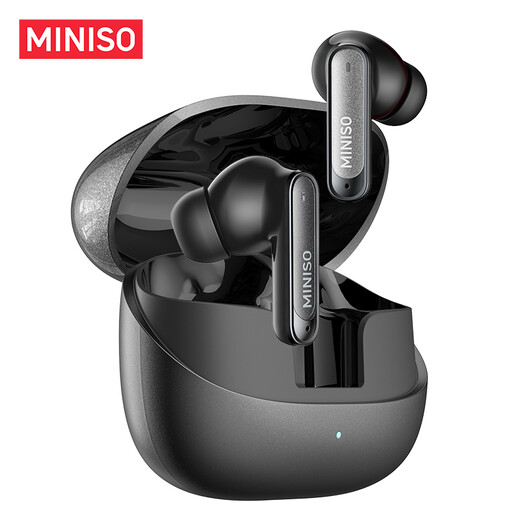
Why it suits this profile: This TWS model combines the comfort of in-ear earbuds with features for everyday use, the office, sport and commuting.
The product information states an IPX5 rating and a separate total battery-life claim of up to 55 hours. However, check the usage time per charge and do not charge the earbuds in a damp environment.
10mm driver, Bluetooth 6.0 according to the product listing, six microphones and support for connecting to two devices.

Why it suits this profile: Ideal for users who value adjustable sound, extensive smartphone integration and ANC.
The IP57 rating is described in the product information as protection against dust and splashes, but the product is not intended for swimming. The stated battery life is split between ANC on and off.
2-way speakers, six microphones, 9-band equaliser, USB-C and wireless charging according to the stated specifications.
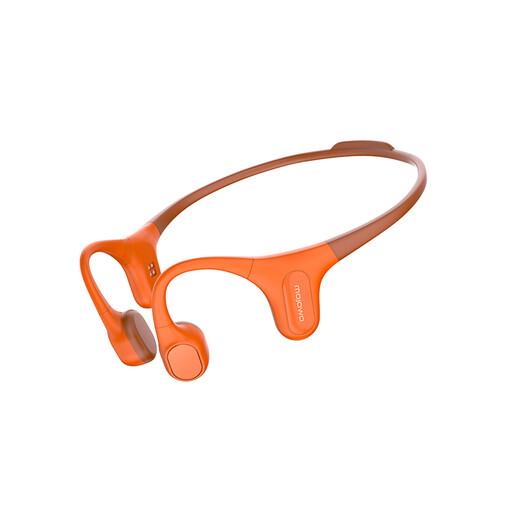
Why it suits this profile: A natural choice for runners, swimmers and athletes looking for an open design and internal music storage.
The product listing states IP68 and 32GB of built-in storage for MP3 files. Rinse with clean water after swimming, dry completely and only then charge the headphones.
Open-ear bone conduction design, 32GB of storage and a stated IP68 rating for sports and swimming.
We have put together a complete, up-to-date list of products that fully meet these strict selection criteria and the applicable European safety regulations.
First, charge the earbuds and case. Then open your phone’s Bluetooth settings, remove the earbuds from the case and select the product name. When pairing for the first time, you may need to press and hold a button. If the connection fails, remove the old Bluetooth profile and try again.
Their lifespan depends on charging cycles, heat, moisture, volume and maintenance. Store the earbuds in the case, keep the charging contacts clean and avoid leaving a battery completely flat for long periods. A stated battery life is an indication of usage time, not a guarantee for every situation.
That depends on the fit and IP rating. For fitness and running, sports earbuds with an ear hook or open-ear earbuds may stay in place more securely. For swimming, only models with suitable water protection and an appropriate offline function are suitable. Always check the manual and dry the product before charging.
