
Vandaag of morgen in huis

Kwaliteit gegarandeerd

Welkomstaanbiedingen ontgrendelen: GRATIS bezorging | Tot 80% korting | Gratis 30 dagen JoyPlus-proefperiode
Download de app
Wireless Bluetooth earbuds are handy for commuting, working in the office, studying and exercising. However, many models look better on paper than they perform in practice. For example, a long battery life may only apply when certain features are switched off. And a claim such as “waterproof” doesn’t automatically mean you can swim with the earbuds.
As Joybuy Product Recommendation Officer, I look beyond the key specifications and marketing claims to help you compare products more effectively. Look out for these three common pitfalls.
Manufacturers often quote total playtime, including the charging case. The earbuds themselves may only last a few hours. Noise cancelling, high volumes and phone calls also affect battery life.
So always compare:
For example, according to the product information, the JBL Wave Buds 2 offer up to 40 hours of total playtime with ANC switched off. The same specifications state that the earbuds themselves provide up to 8 hours of music playback.
Water resistance is indicated by an IP rating. The first digit refers to protection against dust, while the second indicates protection against water. IPX4 is designed to protect against splashes and sweat, while a higher rating may offer greater protection. The exact test conditions still matter.
So IPX4 earbuds aren’t designed to be submerged. If you’re considering a model with a higher rating, check the manual too: swimming, salt water and chlorine present different challenges from running in the rain.
Noise-cancelling earbuds usually use microphones and software to reduce ambient noise. A brand may claim a certain level of noise reduction based on its own testing, but the effect varies depending on your ear shape, fit and surroundings.
Open-ear earbuds, clip-on earbuds and bone conduction headphones let in more ambient sound. That can be useful when walking or cycling, but these designs generally offer a different listening experience from closed in-ear models.
Choose a style to suit how you’ll use your earbuds:
A good fit matters more than weight alone. Lightweight earbuds that come loose during exercise are less practical than a slightly heavier pair with an ear hook or secure clip.
Bluetooth 5.3, 5.4 or 6.0 mainly tells you which connection standard is used. Your actual experience also depends on your phone, tablet or laptop. If you’ll use them at home or in the office, check whether multipoint or connections to multiple devices are supported.
For calls, the number and positioning of the microphones are relevant. A product with multiple microphones may be designed to make calls clearer, according to its product description, but wind, traffic and the distance from your phone can still affect call quality.
A charging case is handy when you’re out and about, but check its charging connection. USB-C is widely used and easy to share with other cables. An LED display can show the charging status, while touch controls are useful during exercise. Do check whether you can control the volume, phone calls and voice assistant separately.
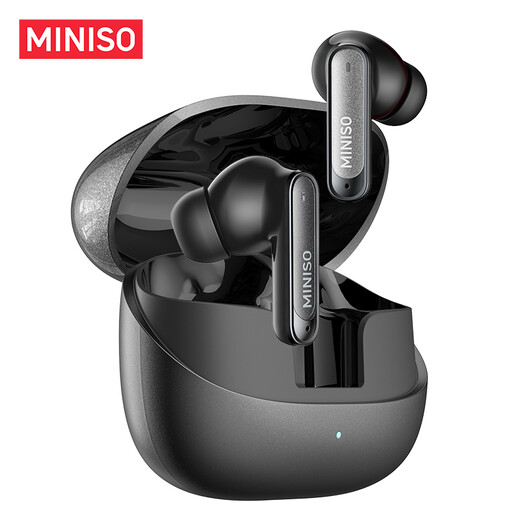
Why it suits this profile: A versatile TWS model for everyday use, the office, studying and light exercise. The product information lists an IPX5 rating, built-in microphones and up to 55 hours of total playtime.
The specifications state both the battery life and water resistance. Before buying, check whether the quoted 55 hours includes the charging case.
IPX5 rating according to the product description, touch controls and a built-in microphone for calls.
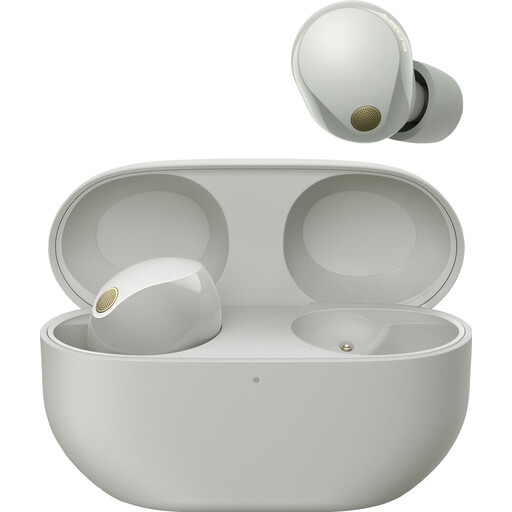
Why it suits this profile: Designed for music, train journeys, the office and calls. The product information lists active noise cancelling, multipoint, Bluetooth 5.3 and up to 24 hours of use with the charging case.
The stated IPX4 rating makes it clear that this model is splash-resistant, not suitable for swimming or submersion.
Active noise cancelling, multipoint and support for AAC, LC3, LDAC and SBC according to the product specifications.
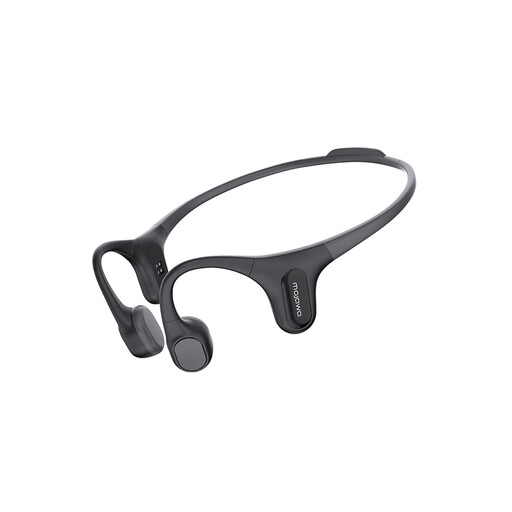
Why it suits this profile: An open-ear model for running, cycling, workouts and swimming. The product name and product information list IP68 and 32 GB of internal storage for MP3 files.
The internal storage can be useful if you’re not using a phone connection while swimming. Check the swimming mode before use and make sure the charging port is completely dry.
Open-ear bone conduction design, 32 GB storage and a stated IP68 rating.
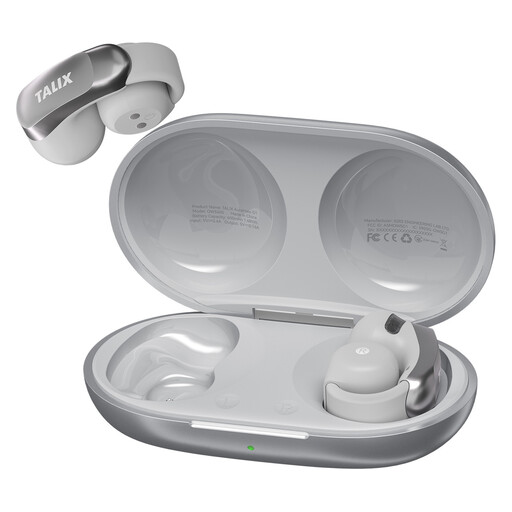
Why it suits this profile: The clip-on fit and silicone ear hook are designed for workouts, commuting and light rain. According to the product information, each earbud weighs 5.2 grams and total battery life is up to 28 hours.
The IPX4 rating limits use to sweat and light rain. This makes it clear that submersion isn’t covered by the stated use.
Four microphones, Bluetooth 5.3, fast charging and a stated playtime of 7 hours per charge.
We’ve put together a complete, up-to-date list of products that meet these strict selection criteria and current European safety regulations.
Start by charging the earbuds and charging case. Then open the Bluetooth settings on your phone, take the earbuds out of the case and select the product name. Some models require an app for pairing, firmware updates or settings such as the equaliser and noise cancelling.
Battery life per charge usually ranges from a few hours to around eight hours, depending on the volume and features you use. The product’s overall lifespan depends on battery wear, charging habits, moisture and everyday use. Keep the earbuds in their case, keep the charging contacts clean and don’t charge them in a damp environment.
It depends on the fit and how aware you need to be of your surroundings. Earbuds with an ear hook, clip or open-ear design can stay secure while you’re moving. When running or cycling, it’s important to stay aware of traffic and other road users. Don’t use earbuds if they reduce your attention or compromise your safety.
