
Vandaag of morgen in huis

Kwaliteit gegarandeerd

Welkomstaanbiedingen ontgrendelen: GRATIS bezorging | Tot 80% korting | Gratis 30 dagen JoyPlus-proefperiode
Download de app
Wireless Bluetooth earbuds are handy for commuting, the office, exercise and phone calls. But a long list of features doesn’t automatically mean a model is right for the way you use it. For example, a claimed battery life may only include the charging case. And an IP rating doesn’t mean you can swim with your earbuds.
So, before you buy, look out for these three common pitfalls:
With TWS earbuds, or true wireless stereo earbuds, the two earbuds communicate wirelessly with each other and with your smartphone. A newer Bluetooth version can offer benefits in terms of power consumption and connectivity, but performance in practice also depends on your phone, laptop and the codec used.
The MINISO MS106 is described in the product information as Bluetooth 6.0 earbuds. Check whether your smartphone fully supports the features. Functions such as dual-device connection are particularly handy if you switch between a laptop and phone.
When choosing earbuds with noise cancelling, it’s important to distinguish between active noise cancellation and passive noise isolation. A good fit can already help block out some noise from trains, the office or the street. ANC also uses electronics to reduce certain background sounds.
According to the product description, MINISO claims that the MS106 offers adaptive noise cancellation of up to -50 dB and a six-microphone system to reduce noise during calls. These are claims from the brand’s product information; your experience may vary depending on your surroundings and how the earbuds fit. If you mainly use earbuds for calls, it’s worth looking at reviews, the returns policy and microphone placement.
Waterproof sports earbuds can be appealing for exercise and cycling in changeable British weather, but check exactly what the rating means. IPX5 or IP55 doesn’t automatically mean protection against swimming, prolonged immersion or a wet charging case.
So, use earbuds with a water-resistance rating mainly for sweat and light rain, unless the manufacturer explicitly states otherwise. Dry the earbuds and charging contacts before placing them in the case or charging them with a cable.
A model with a stated battery life of 55 hours might sound appealing. Check whether this total includes the charging case and whether ANC is switched on. Volume, codec and phone calls also affect battery life. Fast charging can be more practical than a high overall estimate if you often forget to charge your earbuds.
Weight and fit also determine whether your earbuds stay comfortable over longer periods. The MINISO MS106 is listed in the product specifications as weighing 3,9 grams per earbud. Make sure the supplied ear tips fit well. A loose fit can reduce comfort and affect how well noise cancellation works.
Wireless earbuds with a microphone are suitable for calls, but don’t expect the same performance in a quiet room as on a busy platform. Wind, traffic and echo can all affect how clearly you’re heard. When cycling or driving, don’t use a noise-cancelling mode if it makes important sounds around you harder to hear.
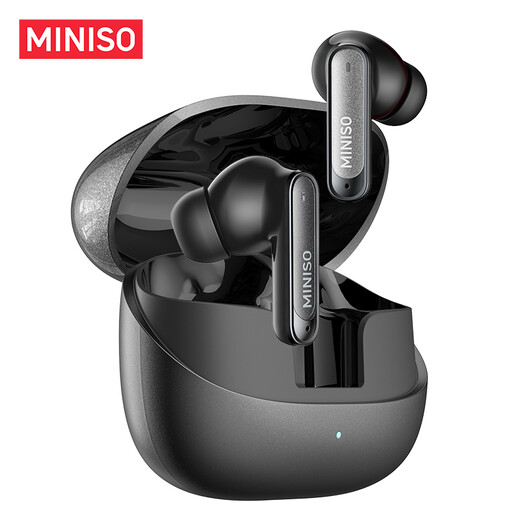
Why it suits this type of user: A lightweight TWS model for everyday listening, studying, the office and commuting. The product information lists a built-in microphone, touch controls and total battery life of up to 55 hours, including the charging case.
The product page lists battery life, the IPX5 rating and fast charging separately. This means you can check each point rather than relying on a general marketing claim.
Bluetooth 6.0 according to the product listing, a 10mm dynamic driver, six microphones according to the product description, and 10 minutes of fast charging for up to 3 hours of playback according to the stated specifications.
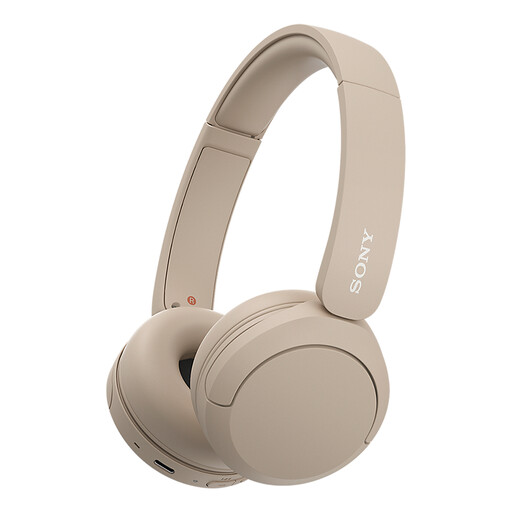
Why it suits this type of user: On-ear headphones for working from home, travelling and listening for long periods. The adjustable design, soft ear cushions and multipoint connection suit users who switch between a laptop and smartphone.
The product information clearly states that this model isn’t water-resistant. This helps you avoid choosing headphones for rain or intense exercise based only on their wireless functionality.
Multipoint connection, a microphone, USB-C and battery life of up to 50 hours according to the product description. The specifications table also lists 40 hours, so check the current product specifications before buying.
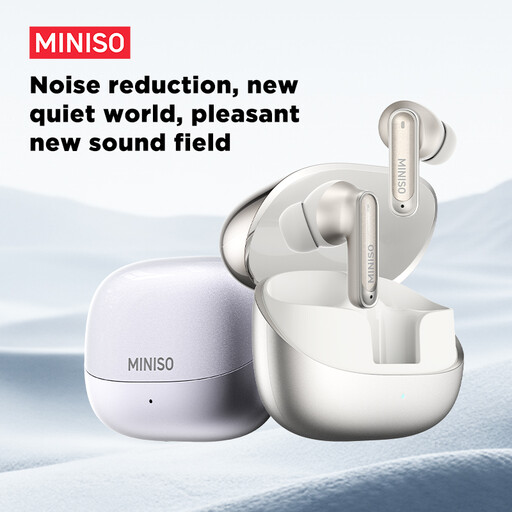
Why it suits this type of user: Designed for users looking for lightweight earbuds for exercise, everyday travel and calls. The product information lists customisable touch controls, sweat resistance and a low weight per earbud.
The product information warns that IP55 isn’t designed for immersion. This makes the limits clear: suitable for sweat and rain, but not for swimming.
Up to 55 hours of total battery life according to the product description, a 10mm driver and AI noise cancellation for calls. The translation function is a product claim; check which languages and app support are available beforehand.
We’ve put together a full, up-to-date list of products that meet these strict selection criteria and the applicable European safety regulations.
Open your phone’s Bluetooth settings, charge the earbuds and take them out of the case. Select the product name from the list of available devices. If pairing doesn’t work, remove any previous connection and reset the earbuds according to the instructions. For multipoint models, check that both devices are connected correctly afterwards.
Battery life per charge varies by model and settings. ANC, high volume and frequent phone calls generally use more power. The overall lifespan also depends on the battery, charging cycles, heat and moisture. Store the case somewhere dry and don’t charge it in a damp environment.
That isn’t always a good idea. Noise cancellation can make traffic and other warning sounds harder to hear. When cycling, only use a setting that allows you to stay aware of your surroundings, and follow local traffic rules.
