
Vandaag of morgen in huis

Kwaliteit gegarandeerd

Welkomstaanbiedingen ontgrendelen: GRATIS bezorging | Tot 80% korting | Gratis 30 dagen JoyPlus-proefperiode
Download de app
Wireless Bluetooth earbuds are handy for listening to music, making calls, travelling, studying and exercising. But a long list of features doesn’t always tell you everything you need to know. A low price can come with a poor fit, while a high IP rating doesn’t automatically mean you can swim with them.
The most common pitfalls are:
Look at the difference between the earbuds’ playback time and the total battery life with the case. For example, the HTC NE40 lists around 3.5 hours per charge and up to 24 hours with the case. The Urbanista Lisbon lists 9 hours per charge and up to 27 hours in total. The JBL Wave Buds 2 are listed as offering up to 40 hours with ANC switched off.
Fast charging can be more important than a big total figure. According to the product description, the MINISO MS106 can provide up to 3 hours of playback from a 10-minute charge. Always check whether the stated battery life is with active noise cancellation on, what volume it was tested at and which codec was used.
The first digit indicates protection against solid particles, while the second refers to water. IPX4 generally means protection against splashes. IPX5 indicates protection against water jets under certain test conditions. A product with IP57 is rated, according to its listed specifications, as protected against dust and temporary immersion. However, that doesn’t mean it’s safe to use in a swimming pool or seawater in every situation.
For exercise, sports earbuds rated IPX4 or IPX5 may be enough to handle sweat and light rain. For swimming, choose only a product whose manufacturer explicitly provides a suitable mode of use and instructions. Never charge earbuds while the charging contacts are still damp.
Earbuds with a microphone aren’t necessarily suitable for making calls on noisy streets. Check the number of microphones, wind-noise reduction and whether they support multipoint or dual-device connections. Bluetooth 5.3, 5.4 or 6.0 tells you about the connection standard, but says nothing by itself about sound quality.
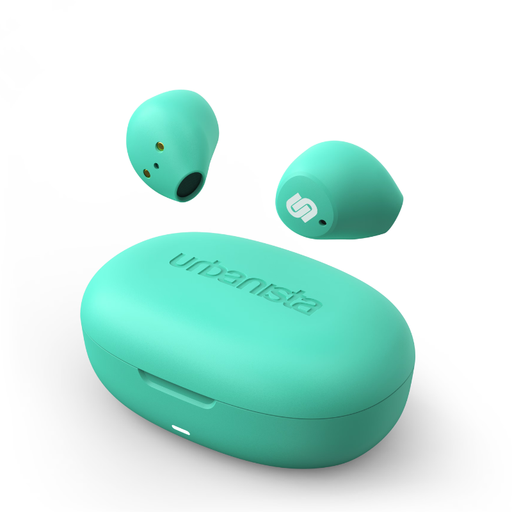
Why it suits this profile: These compact true wireless earbuds are designed for everyday listening, travel and calls. The stated playback time is 9 hours per charge and 27 hours with the case.
The product details give both the battery life per charge and the total life with the case. Water resistance isn’t presented as a swimming feature.
Bluetooth 5.2, a microphone, touch controls and a weight of 4 grams per earbud, according to the product information.

Why it suits this profile: This model is designed for users looking for active noise cancellation, a range of sound features and pairing with Galaxy devices.
The product specifications distinguish between 6 hours of playback with ANC and 7 hours without ANC. An IP57 rating is also listed, with a warning that the product isn’t intended for swimming.
2-way speaker system, six microphones, Bluetooth 6.1, wireless charging and 30 hours of total playback without ANC, according to Samsung.
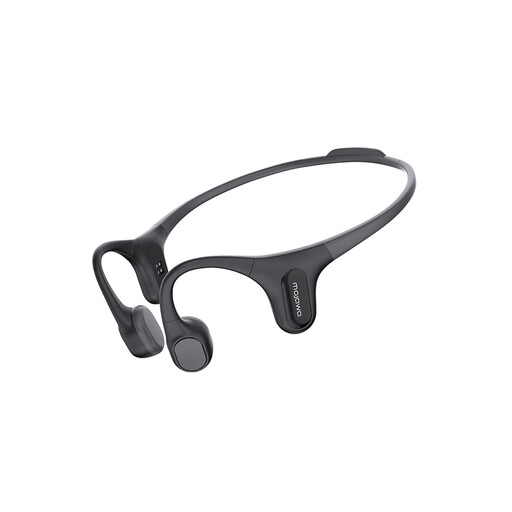
Why it suits this profile: According to the product listing, the open-ear bone conduction design is intended for running, cycling, fitness and swimming.
The listed IP68 rating and 32 GB of built-in MP3 storage make it less dependent on a phone, but always follow the charging and rinsing instructions.
Open-ear design, Bluetooth connectivity, 32 GB of storage and a version described as suitable for swimming in the product name.
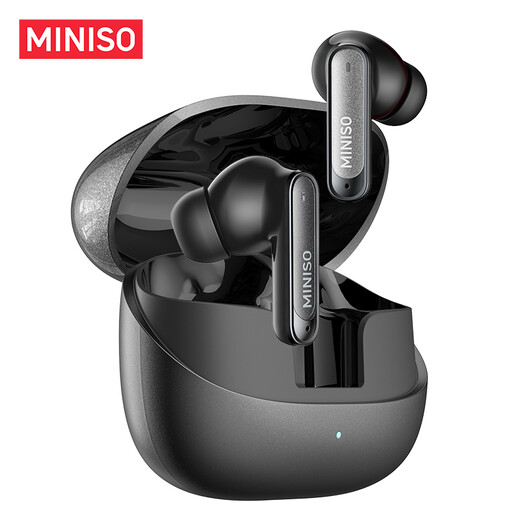
Why it suits this profile: This model is designed for the office, studying, exercise and audio calls, with a built-in microphone and touch controls.
The product description lists IPX5, six microphones and a fast-charging function. Claims about AI noise cancellation come from the product description and aren’t based on independent testing.
Up to 55 hours of total battery life, Bluetooth 6.0, a 10 mm driver and dual-device connectivity, according to the listed specifications.
We’ve put together a complete, up-to-date list of products that meet these strict selection criteria and comply with the applicable European safety regulations.
Open the case or switch on the earbuds, turn on Bluetooth on your phone and select the product name from the list of available devices. Some models start pairing automatically. If that doesn’t work, put the earbuds back in the case, check the instructions and, if necessary, remove an old Bluetooth pairing.
Battery capacity decreases over time, but battery life also depends on volume, ANC, call use and temperature. Keep the earbuds in their case, charge them with the recommended cable and avoid exposing them to heat or moisture for long periods. A model with a high-capacity case can be handy if you travel every day.
It depends on your route. ANC can be useful in a quiet gym. When cycling, crossing the road or running in busy traffic, it’s important to stay aware of the sounds around you. Open-ear earbuds or transparency mode may be a better fit, but always stay alert and follow the manufacturer’s safety instructions.
