
Vandaag of morgen in huis

Kwaliteit gegarandeerd

Welkomstaanbiedingen ontgrendelen: GRATIS bezorging | Tot 80% korting | Gratis 30 dagen JoyPlus-proefperiode
Download de app
Wireless Bluetooth earbuds often look alike, but they’re designed for very different situations. A model that’s comfortable when travelling may not be suitable for running or swimming. Terms such as “waterproof”, “AI translation” and “noise cancellation” only tell you so much until you check the technical details and usage limitations.
For UK consumers, these are the main pitfalls to look out for:
A label such as “waterproof” isn’t enough to base your choice on. Look for the exact IP rating and check what the manufacturer says the product is suitable for.
There are other things to consider if you plan to swim. Bluetooth has a limited practical range underwater, so a standard Bluetooth connection may drop out while you’re swimming. A swimming headset with built-in MP3 storage makes more sense in this case. The Mojawa Run Plus and Verbex X7S are listed with 32 GB of storage; according to its product information, the Verbex BL-09 has a swim mode and built-in MP3 functionality.
Rinse your headphones with clean fresh water after using them in chlorinated or salt water. Let the magnetic charging contacts dry completely before charging.
The right fit depends on what you’ll be doing:
Always check the weight, material and fit. The Verbex X7S, for example, is listed as weighing 140 grams and having an over-ear fit. By contrast, the HTC NE20 with ANC is described as semi-in-ear, with each earbud weighing around 3.5 grams.
These details are useful for everyday use:
With AI translation earbuds, you should also check which app is supported, which languages are available and whether translation works without an internet connection. According to HTC’s product information, the feature can be activated via a translation app; how it works varies by app.
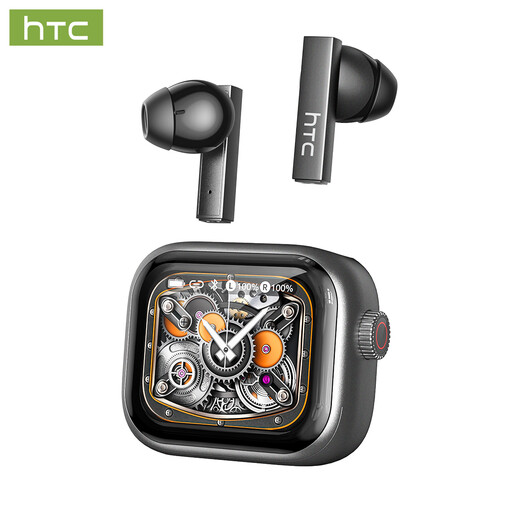
Why it suits this profile: A compact choice for studying, the office, travelling and everyday phone calls. This model has touch controls, a built-in microphone and an LED display on the charging case.
The specifications state around 3.5 hours of use per earbud and up to 24 hours with the charging case. This makes it easier to distinguish the earbuds’ individual playback time from the total usage time.
Bluetooth 6.0 according to the product information, touch controls, an LED display and a built-in microphone. Translation requires a compatible app.

Why it suits this profile: Designed for commuters, students and professionals who want music, calls and noise cancellation in one in-ear model.
The product information lists an IPX5 rating and warns against immersion. This helps prevent you from using a splash-resistant model as swimming headphones.
The brand states that adaptive hybrid ANC reaches up to -50 dB. The earbuds also have six microphones for calls and a stated total battery life of up to 55 hours with the case. Check the latest product specifications for battery life when ANC is on.
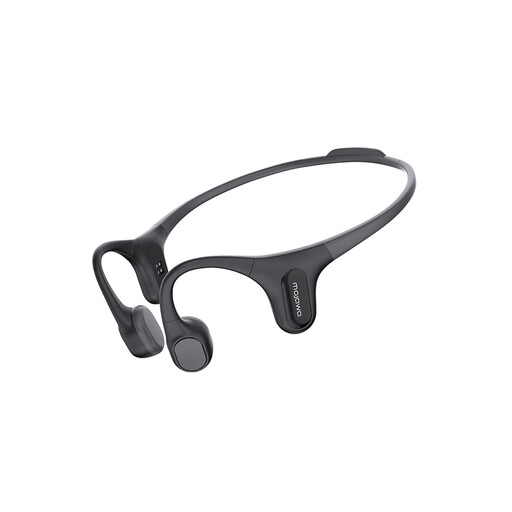
Why it suits this profile: An open-ear model for runners, cyclists, gym-goers and swimmers who don’t always want to take their smartphone with them.
The listed IP68 rating and 32 GB of MP3 storage make it a better match for swimming than a model designed only for sweat or rain. Check the official usage limits before use.
Bone conduction technology, an open-ear design, a built-in MP3 player and 32 GB of storage according to the product listing. Rinse the device after swimming and let it dry completely.
We’ve put together a complete, up-to-date list of products that meet these strict selection criteria and the applicable European safety regulations.
First, charge the earbuds and case. Then open Bluetooth settings on your smartphone, put the earbuds into pairing mode and select the product name from the list. If they won’t connect, remove any previous pairing and follow the model’s instructions. For translation features, you may then need to install a compatible app.
Their lifespan depends on charging cycles, moisture, temperature and everyday use. Keep them in the case, don’t charge them when the magnetic contacts are wet, and avoid prolonged exposure to heat. A shorter battery life over time is normal for lithium batteries. Damage, swelling or unusual heat are reasons to stop using the product.
Only if the manufacturer specifies a suitable water-resistance rating and says they can be used for swimming. A model with an IPX5 rating isn’t designed for immersion. For swimming, a bone conduction model with built-in MP3 storage and a clear IP rating is a practical option. Also check whether the earbuds are suitable for fresh water, pool water or salt water, and dry them completely before charging.
