
Vandaag of morgen in huis

Kwaliteit gegarandeerd

Welkomstaanbiedingen ontgrendelen: GRATIS bezorging | Tot 80% korting | Gratis 30 dagen JoyPlus-proefperiode
Download de app
Wireless Bluetooth earbuds may look alike, but they can differ significantly in comfort, microphones, battery life and moisture protection. A low price doesn’t automatically mean lower running costs, while a long list of features doesn’t guarantee that a product will suit your daily routine.
Look out for these three common pitfalls:
For commuting and listening to music, many people choose true wireless earbuds with an in-ear fit. The silicone tips partially seal the ear, which can help reduce background noise. This is handy in busy places, but not everyone finds the feeling of pressure in their ears comfortable.
An open-ear design or bone conduction headphones lets you stay more aware of your surroundings. This can be useful when walking, cycling or working in an office. However, the sound and bass will differ from those of a sealed in-ear model. Also check that the controls are easy to use and the fit stays secure when you move.
For longer listening sessions, weight, ear-hook shape and materials are just as important as sound features. A model that looks lightweight on paper may still feel uncomfortable if the housing doesn’t fit your ears properly.
The IP code uses numbers to indicate protection against dust and water. IPX5 has no stated dust rating, but indicates protection against water jets. IP55 combines a dust-protection rating with protection against water jets. IP57 offers a higher level of protection against temporary immersion according to the product classification, but always check the manufacturer’s instructions and the condition of the seals.
Never use earbuds in water just because a product page mentions “sport” or “swimming”. For example, the Verbex BL-09 is listed as having a swimming function, but its instructions state that the charging port must be dry and the correct swimming mode must be selected. If in doubt, use waterproof sports earbuds only within the limits of their official IP rating.
If you make regular calls, good microphones and noise filtering matter more than a large number of audio modes. Wireless earbuds with a microphone often use ENC or multiple microphones to distinguish speech from background noise. Some models are described as having four or six microphones, but that doesn’t guarantee clear calls in strong winds.
Look out for these points:
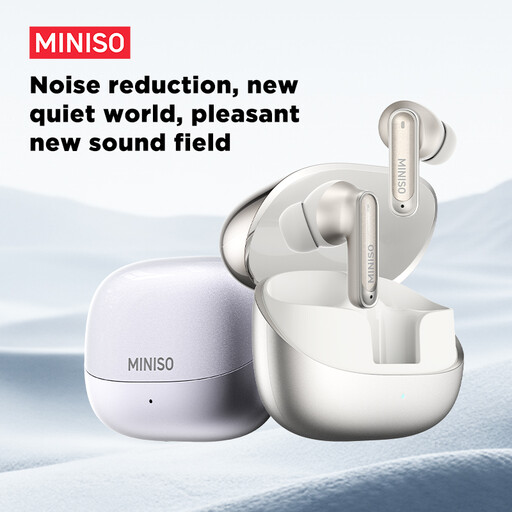
Why it suits this user: The product description lists a lightweight design at 3.9 grams per earbud, touch controls and support for office use, sport and phone calls.
The stated IP55 rating makes its limitations clearer than vague terms such as “sport-proof”. The product description says it protects against rain and sweat, not swimming.
Up to 55 hours according to the product information, including the case, six microphones for calls and a stated fast-charging feature.

Why it suits this user: This model is aimed at users who value ANC, adjustable sound, spatial audio and integration with Galaxy devices.
The specifications list separate battery life figures with ANC switched on and off. This makes it easier to compare usage time realistically than relying on a single general maximum.
Two-way speaker system, six microphones, IP57 rating and support for wireless charging according to the product information.
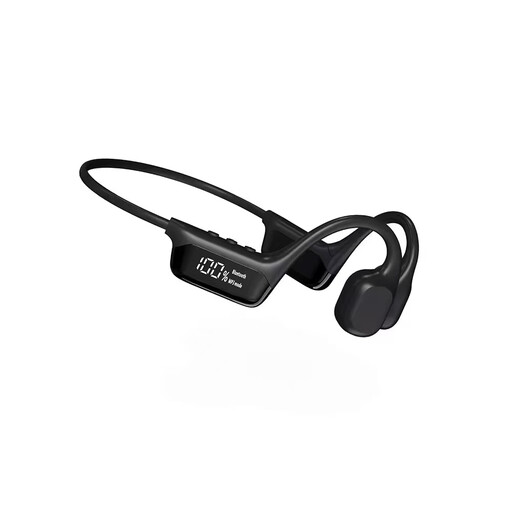
Why it suits this user: The open-ear bone conduction design is intended for sport, cycling and situations where you don’t want to block out your surroundings completely.
The open design means you don’t automatically have to choose sealed earbuds with ANC. However, check the stated swimming mode and make sure the charging port is completely dry before charging.
Bluetooth 5.3, multipoint according to the product description, an ear-hook design and a stated swimming function.
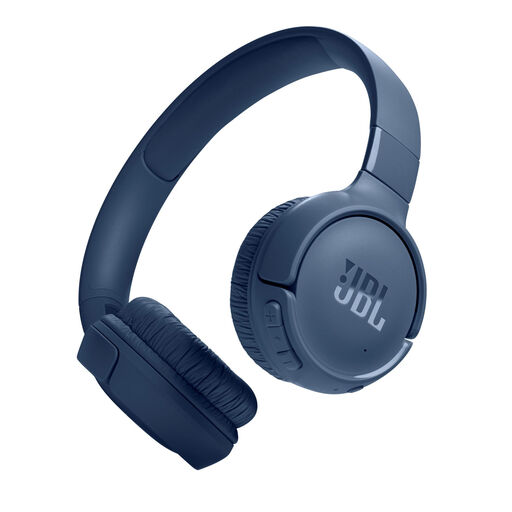
Why it suits this user: The on-ear design and foldable headband make these headphones a good fit for travel, working from home and anyone who doesn’t want in-ear earbuds.
The stated battery life is listed separately for music and calls. The description also specifies that five minutes of fast charging provides extra playback time.
Up to 76 hours of music according to the product information, two microphones, multipoint and a foldable design.
We’ve put together a complete, up-to-date list of products that meet these strict selection criteria and the applicable European safety regulations.
Open the charging case or press and hold the pairing button until the earbuds enter pairing mode. Then open the Bluetooth settings on your smartphone and select the product name. If your model has its own app, you may be able to configure settings such as the equaliser or firmware updates there.
Battery capacity usually decreases gradually with charging cycles and use. Overall lifespan also depends on moisture, temperature, charging habits and physical wear. Keep the case dry, don’t charge it in a damp environment and avoid using the earbuds at maximum volume for long periods.
Power consumption during a listening session is usually modest. ANC, high volume, phone calls and features such as lights or a screen on the case can drain the battery faster. A model with USB-C and fast charging is handy if you’re often on the go.
