
Vandaag of morgen in huis

Kwaliteit gegarandeerd

Welkomstaanbiedingen ontgrendelen: GRATIS bezorging | Tot 80% korting | Gratis 30 dagen JoyPlus-proefperiode
Download de app
Wireless Bluetooth earbuds are handy when you’re out and about, at the office, studying or exercising. But a long list of features doesn’t automatically mean a model is right for you. The wrong choice can mean an uncomfortable fit, calls that are hard to hear or a battery that runs flat at the wrong moment.
Watch out for these three common pitfalls:
In-ear models partially seal the ear canal. This can reduce background noise and support bass performance, but not everyone finds silicone tips comfortable. Check whether the earbuds come with several tip sizes, and look at the weight of each earbud.
For running or fitness, sports earbuds with an ear hook or wing may stay in place more securely. An open-ear model sits alongside or above your ear, letting in more ambient sound. That’s useful in traffic, but the sound may feel less direct on a busy train or in a windy spot.
The IP code indicates how well a product is protected against dust and water. The precise meaning varies by rating:
A charging case may be less water-resistant than the earbuds. So dry the earbuds and charging contacts completely before charging them. For swimming, only use models that the manufacturer clearly says are suitable. Also check whether Bluetooth works underwater; some bone conduction headphones have built-in MP3 storage for this reason.
If you make calls often, don’t just look at the number of microphones. Their placement, wind filtering and software also affect how clearly you’ll be heard. Descriptions featuring terms such as “AI call noise cancellation” or “ENC” are claims made by the manufacturer. According to MINISO’s own product information, the MS106 uses six microphones to reduce noise during calls. This is a product specification, not a guarantee that every caller will have the same experience in every environment.
Noise-cancelling earbuds can reduce constant sounds, such as trains or fans. They’re no substitute for staying alert in traffic. For commuting, a transparency mode or open-ear headphones may be more practical.
When checking battery life, look at:
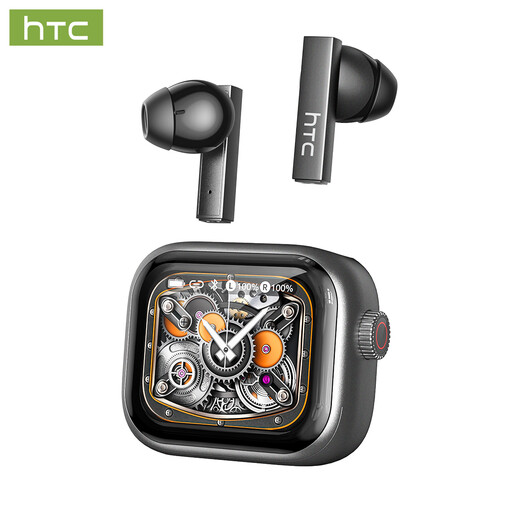
Why it suits this profile: This TWS model combines touch controls, a built-in microphone and Bluetooth 6.0 with a charging case featuring an LED display. According to the product information, you can use a translation app after connecting the earbuds to a phone or tablet.
The stated battery life is around 3.5 hours per earbud and up to 24 hours with the case. This makes it easy to distinguish playback time on a single charge from total battery life.
Bluetooth 6.0, LED display, touch controls, built-in microphone and support for use with a translation app.
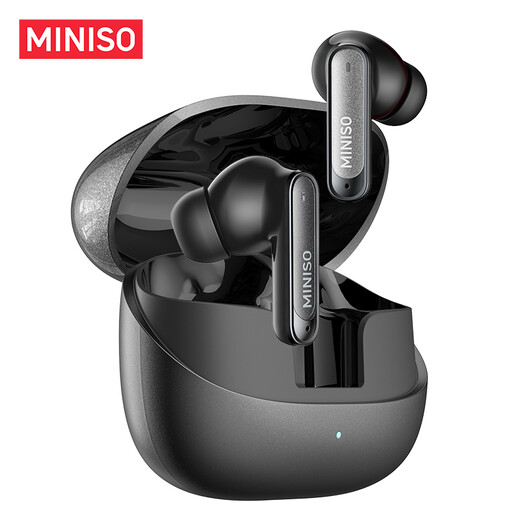
Why it suits this profile: A 10mm titanium-coated driver, adaptive noise cancellation and a stated total battery life of 55 hours make this a good fit for music, travel and long working days.
The product information lists IPX5 and warns that this model isn’t suitable for immersion. This helps make clear that splash resistance doesn’t mean the earbuds are suitable for swimming.
According to the manufacturer: 10 minutes of fast charging for up to 3 hours of playback, six microphones and connection to two devices.
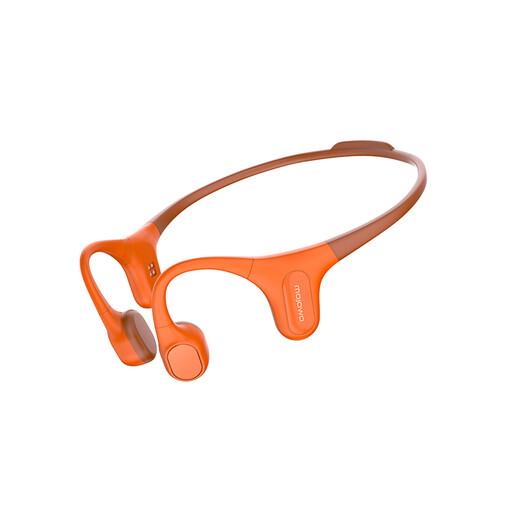
Why it suits this profile: This open-ear bone conduction model is designed for running, cycling, the gym and swimming. The product name and specifications list IP68 and 32 GB of built-in MP3 storage.
The built-in storage can be useful when a Bluetooth connection isn’t available while swimming. After contact with salt water, the safety information says to rinse the model with fresh water and let it dry completely.
Open-ear design, 32 GB of storage and a stated IP68 rating for anyone who wants to listen to music while exercising or taking part in water activities.
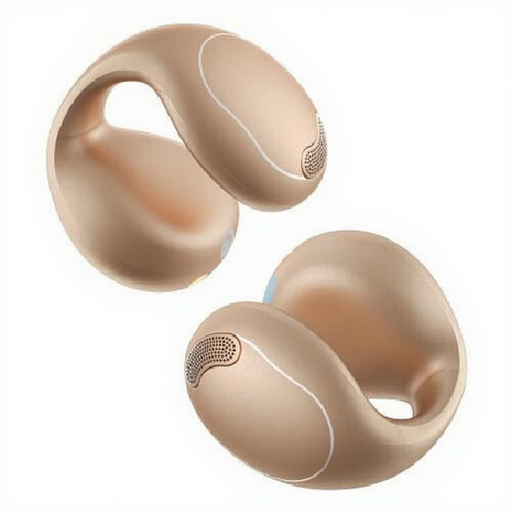
Why it suits this profile: The open-ear design lets in ambient sound, making these headphones suitable for everyday use, calls, light exercise and commuting.
The specifications list Bluetooth 5.4, two microphones and IPX4. This makes it clear that the model is designed for sweat and splashes, not swimming or heavy rain.
Open-ear design, Bluetooth 5.4, button controls, two microphones and an included charging station.
We’ve put together a complete, up-to-date list of products that meet these strict selection criteria and current European safety requirements.
Charge the earbuds and charging case first. Then open your phone’s Bluetooth settings, activate pairing mode as described in the manual and select the name of the earbuds. If they won’t connect, remove any previous pairing and start the pairing process again.
Battery life per charge varies by model, volume and features such as noise cancellation. Battery capacity decreases over time. A charging case extends the total playback time, but not the playback time on a single charge. So always check both figures in the product specifications.
Not automatically. IPX4 and IPX5 are generally designed for sweat, splashes or rain. For swimming, the manufacturer must explicitly state that the earbuds can be submerged and specify the type of water they’re suitable for. Bone conduction headphones with built-in storage may be more practical in this situation, but always follow the supplied safety instructions.
