
Vandaag of morgen in huis

Kwaliteit gegarandeerd

Welkomstaanbiedingen ontgrendelen: GRATIS bezorging | Tot 80% korting | Gratis 30 dagen JoyPlus-proefperiode
Download de app
Wireless Bluetooth earbuds are handy for commuting, listening to podcasts, making phone calls and exercising. But a long list of features means little if they’re uncomfortable to wear, the battery life is only achievable in ideal conditions, or a water-resistance claim is misunderstood.
So, look out for these three common pitfalls:
With true wireless earbuds, you’ll usually see two figures: playtime from the earbuds alone and total playtime with the case. For example, the REDMI Buds 8 Active are listed as offering up to 7 hours per charge and up to 37 hours with the charging case. Actual results can vary depending on volume, codec, phone calls and noise-cancelling use.
Fast charging is useful if you often forget to charge your earbuds. Also check whether the case charges via USB-C. This means you won’t need a separate cable for your Bluetooth in-ear headphones.
The numbers or letters after IP indicate what a product is protected against. A rating such as IP54 for earbuds indicates protection against dust and splashes under certain conditions. For the REDMI Buds 8 Active, the product specifications state that this rating applies to the earbuds only, not the charging case.
For sports earbuds, IPX5, IP55 or IPX7 are worth considering, but they don’t mean the same thing. IPX7 refers to temporary submersion under certain conditions; always check the official usage restrictions. Sweat, rain, seawater and repeated use can also affect the product’s lifespan. Make sure the charging contacts and USB-C port are completely dry before charging.
A good fit matters more than an impressive driver diameter. In-ear models often create a better seal, while semi-in-ear models may put less pressure on your ears. If possible, try different earbuds or check which sizes of silicone tips are included.
For calls, check the number of microphones and the technology used. Descriptions such as “AI call noise cancellation” or “ENC” are product claims. A brand’s own research may suggest that the technology reduces background noise, but call quality also depends on wind, network connection and microphone positioning.
Also check:
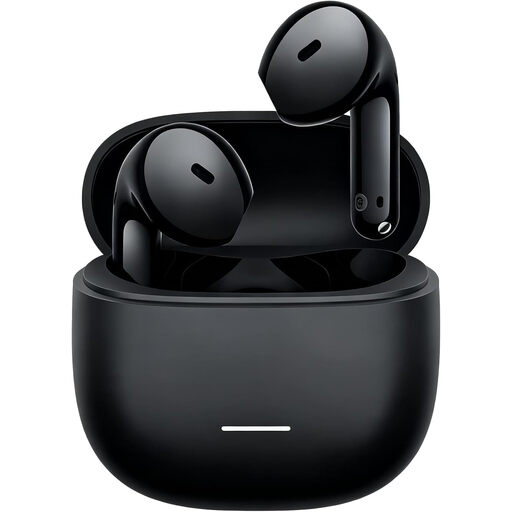
Why it suits this profile: A lightweight choice for everyday listening, calls and travel, without paying for features you may not use.
The specifications clearly distinguish playtime per charge from playtime with the case. The IP54 protection applies to the earbuds only, not the case.
Bluetooth 5.4, USB-C, 14,2mm driver, up to 7 hours per charge and up to 37 hours with the case.

Why it suits this profile: Designed for users who value ANC, adjustable sound and integration with Galaxy devices.
The specifications list battery life separately with and without ANC. The IP57 rating is also described as splash-resistant, not suitable for swimming.
ANC, six microphones, 2-way speaker system, USB-C, wireless charging and up to 30 hours of total playtime without ANC, according to the product information.
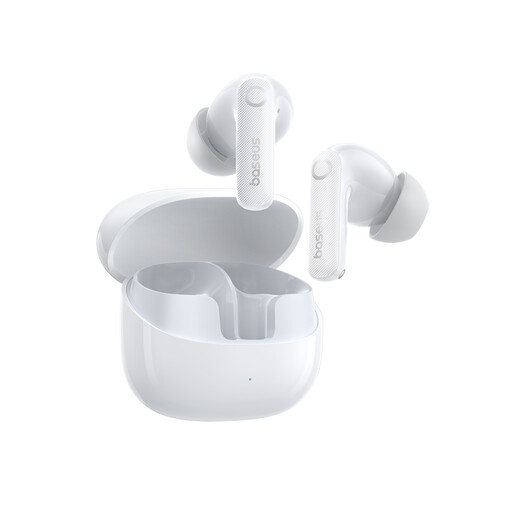
Why it suits this profile: A good fit for travellers and active users who want long battery life, ANC and splash resistance.
The quoted 55 hours refers to the combined playtime of the earbuds and case. The IP55 rating protects against splashes and sweat; submersion should be avoided.
Up to around 11 hours of listening per charge at 50% volume, USB-C, Bluetooth 5.4, LDAC support and adaptive hybrid ANC, according to the product specifications.
We’ve put together a complete, up-to-date list of products that meet these strict selection criteria and comply with current European safety regulations.
Open the Bluetooth settings on your smartphone, put the earbuds into pairing mode and select the product name. Some brands connect automatically as soon as you open the charging case. If they won’t connect, remove any previous Bluetooth pairing and charge both the earbuds and the case.
Battery capacity decreases over time. Lifespan depends on charging cycles, heat, moisture and usage. Don’t leave the case in a hot car for long periods, and don’t charge it while the USB-C port is still damp. A model with fast charging can be handy if battery capacity declines over time.
ANC can reduce background noise, making it harder to hear traffic and warning signals. When cycling, it’s best to use transparency mode or keep the volume low, and stay aware of the traffic around you. Never use a headset if it affects your attention or your ability to hear what’s happening around you.
