
Vandaag of morgen in huis

Kwaliteit gegarandeerd

Welkomstaanbiedingen ontgrendelen: GRATIS bezorging | Tot 80% korting | Gratis 30 dagen JoyPlus-proefperiode
Download de app
Wireless Bluetooth earbuds are handy for listening to music, making calls, travelling, studying and exercising. However, an impressive list of features means little if they become uncomfortable to wear, the battery life only applies under ideal conditions or a water-resistance claim is misunderstood.
Pay particular attention to these three common pitfalls:
TWS earbuds consist of two separate earbuds that connect wirelessly to each other and to your phone. An in-ear fit partially seals the ear canal. This can help deliver powerful bass and passive noise isolation, but comfort depends heavily on the supplied ear tips and the shape of your ears.
With open-ear earbuds, the speaker rests beside or above the ear. This allows you to stay more aware of your surroundings, which can be practical when walking or working. However, wind and traffic can affect the sound outdoors. A clip-on model may also stay in place more securely than a design that hangs loosely.
Bone-conduction headphones use a different design from standard Bluetooth earbuds. The model usually sits in front of or beside the ear. Always check the product specifications and user manual: “open ear” does not automatically mean that the product is suitable for swimming.
Bluetooth 5.2, 5.3, 5.4 or 6.0 can contribute to an efficient connection, but the version alone does not determine the complete user experience. Also look out for:
For earbuds with a microphone, the number of microphones, wind protection and noise reduction are relevant considerations. Brands may make claims about AI or ENC noise reduction. Treat these claims with care: according to the brand’s product description, certain models are designed to pick up speech more clearly in noisy environments. Actual call quality also depends on wind, traffic, your phone and the app being used.
Also compare:
An IPX4 rating is mainly intended to protect against splashes and sweat. IPX5 offers protection against water jets under certain conditions. IP57 or IP68 does not automatically mean that you can use every model in a swimming pool without restrictions. Always follow the manual and check that the charging port is dry before charging.
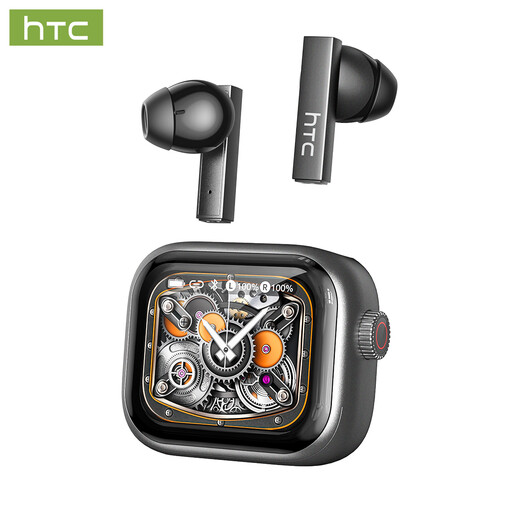
Why it suits this profile: This TWS model is designed for everyday use, studying, office work and calls. The product specifications list Bluetooth 6.0, a built-in microphone and a charging case.
The stated battery life is broken down into separate figures: approximately 3.5 hours per earbud and up to around 24 hours with the case. This gives you a clearer expectation than a general claim about long battery life.
Bluetooth 6.0, touch controls, LED display and a range stated in the specifications as 10 metres.

Why it suits this profile: Ideal for those who value in-ear noise isolation, active noise cancellation, adjustable sound and integration with Galaxy devices.
The specifications list separate usage times with ANC switched on and off. The IP57 rating is also more specific than simply describing the product as “water-resistant”; according to the product information, this model is not intended for swimming.
Bluetooth 6.1, ANC, six microphones, 2-way speakers and support for USB-C and wireless charging.
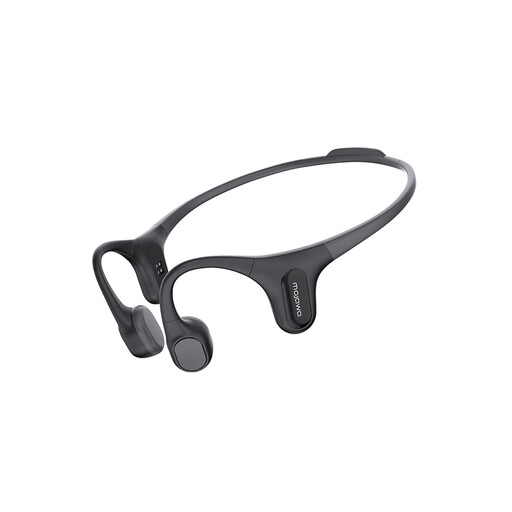
Why it suits this profile: The open-ear design with 32 GB of built-in storage is appealing to runners, cyclists and swimmers who do not want to carry their phone all the time.
The product specifications list IP68 and an MP3 player. Before swimming, however, check the manual, charging procedure and current product information; after contact with salt or chlorine, the device should be rinsed and dried.
Bone-conduction design, 32 GB of storage and an IP68 rating according to the product description.
We have compiled a complete, up-to-date list of products that fully meet these strict selection criteria and the applicable European safety regulations.
First, charge the earbuds and charging case. Then open your smartphone’s Bluetooth settings, remove the earbuds from the case or activate pairing mode, and select the product name. If the connection does not work, remove an old pairing and try again. For translation features or multipoint, always check the manual and any companion brand app.
Battery life varies by model and usage. ANC, phone calls, volume and temperature all affect the battery. Therefore, check both the playback time per charge and the total capacity of the charging case. Store the earbuds in the case and charge them using the recommended cable. A battery that runs down more quickly after prolonged use is normal for lithium-ion batteries, but swelling, leakage or excessive heat are reasons to stop using the product immediately.
That depends on the fit and protection against moisture. In-ear models with ANC provide more isolation, while open-ear or sports earbuds can allow you to hear your surroundings more clearly. Check the IP rating, ensure a secure fit and do not use headphones while cycling or in situations where you need to stay fully alert. Keep the volume moderate and follow local traffic regulations.
