
Vandaag of morgen in huis

Kwaliteit gegarandeerd

Welkomstaanbiedingen ontgrendelen: GRATIS bezorging | Tot 80% korting | Gratis 30 dagen JoyPlus-proefperiode
Download de app
Wireless Bluetooth earbuds are convenient when you’re out and about, at work or exercising. However, a long list of features does not automatically mean a model will suit the way you use it. For example, a promising battery life may only apply at low volume with features such as ANC switched off.
The main pitfalls usually come down to three points:
First, choose the design that suits your surroundings:
Pay attention to the weight, the shape of the ear hook and how adjustable it is. A silicone ear hook can provide a more secure fit during exercise than a loose half-in-ear design.
Bluetooth 5.3, 5.4 or 6.0 refers to connectivity, but the practical experience also depends on your phone, codec and surroundings. So check for:
A newer Bluetooth version does not, by itself, guarantee better sound quality. The combination of device, software and audio codec is what matters.
Always check the difference between the earbuds’ own playback time and the total playback time with the case. Manufacturers often measure this at a particular volume and with additional features switched off. According to the product information, the MINISO MS106 offers up to 55 hours of total battery life, for example; this is the brand’s stated figure and not a fixed usage time for every situation.
Long-battery-life earbuds are useful for travelling, studying and long working days. Fast-charging earbuds are particularly practical if you regularly forget to charge them. Also check the IP rating:
Do not use a charger while the charging port is still damp. Even with water-resistant earbuds, salt, chlorine and moisture can damage the connections.
Noise-cancelling earbuds usually use passive isolation, active noise cancellation or a combination of both. With ANC earbuds, active cancellation works particularly well against constant sounds such as train engines or air conditioning. Voices and sudden noises may still be audible.
According to the brands’ own information, certain models have AI or microphone features for calls. Treat this as a product specification, not as a guarantee of call quality on every street or in every meeting room. For earbuds for calls, the number and positioning of the microphones, along with wind reduction, are at least as important as the marketing term used.
For cycling and running, an open design can be appealing because it allows you to remain more aware of traffic and other ambient sounds. Do not use headphones or earbuds if doing so reduces your attention in traffic.
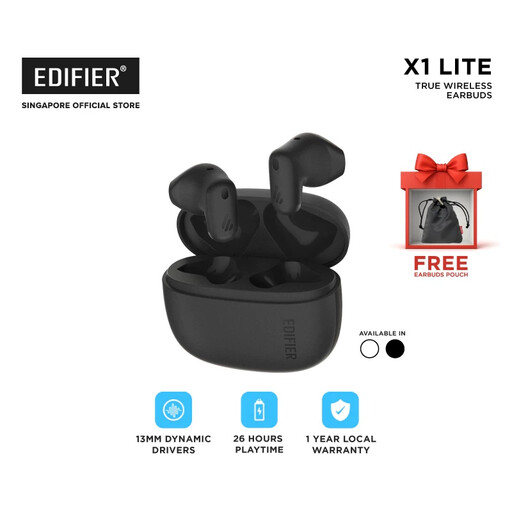
Why it suits this profile: A compact choice for everyday listening, studying and travelling, without having to opt for an over-ear model straight away.
The product information states an IP54 rating, Bluetooth 5.4 and up to 26 hours of playback. However, check the exact split between the earbuds and the case.
According to the product description: 4 grams per earbud, Bluetooth 5.4, low latency and fast charging via the case.

Why it suits this profile: Designed for users who value features such as ANC, multiple microphones, spatial audio and an adjustable equaliser.
The specifications state separate playback times with ANC switched on and off. This makes it easier to compare the battery claim with your own usage.
According to Samsung: IP57, Bluetooth 6.1, six microphones, USB-C and wireless charging. Check compatibility with your smartphone.
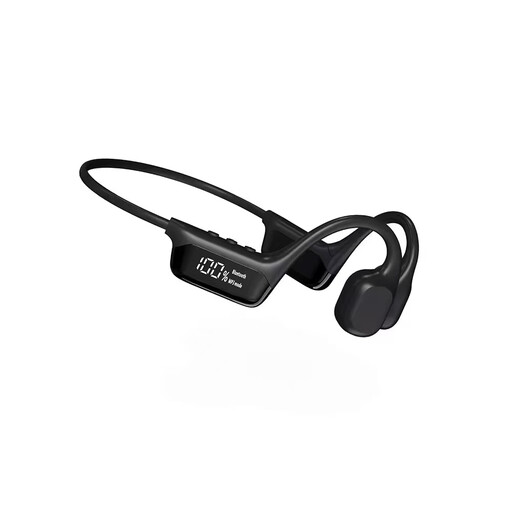
Why it suits this profile: The open-ear bone conduction design is intended for active users and situations where you do not want to block out your surroundings completely.
The product information mentions a swimming mode and warns that the charging port must be dry. Always check the correct mode and instructions before swimming.
According to the product description: Bluetooth 5.3, multipoint, an ear-hook design and a stated battery life of up to 8 hours.
We’ve put together a complete, up-to-date list of products that fully meet these strict selection criteria and the applicable European safety regulations.
First charge the earbuds, open the Bluetooth settings on your smartphone and select the product name. With some models, you may need to remove the earbuds from the case first or press and hold the touch control. Remove an old pairing if the connection does not work and check that the earbuds are not already connected to another device.
Battery capacity decreases over time. Overall lifespan depends on charging cycles, heat, moisture and daily usage time. Store the case in a dry place and avoid prolonged charging in extreme temperatures. A fast-charging model is useful, but also check the stated charging port and supplied cable.
That depends on the fit and IP rating. Sports earbuds with an ear hook often stay in place better while you move. For running, an open-ear or bone conduction design can be comfortable when ambient sound is important. IPX4 or IPX5 does not automatically mean you can swim with them; always follow the specific product instructions.
