
Vandaag of morgen in huis

Kwaliteit gegarandeerd

Welkomstaanbiedingen ontgrendelen: GRATIS bezorging | Tot 80% korting | Gratis 30 dagen JoyPlus-proefperiode
Download de app
Wireless Bluetooth earbuds are handy for commuting, calls, studying and working out. But a long list of features doesn’t automatically mean a model is right for you. For example, a long battery life may refer to the earbuds and charging case combined. Terms such as noise cancelling, water-resistant and AI microphones can also mean different things from one product to another.
Pay particular attention to these three common pitfalls:
Check two figures: the playback time of the earbuds themselves and the total playback time including the charging case. For everyday use, a model offering 6 to 8 hours per charge may be enough. If you travel a lot or often forget to charge your devices, earbuds with long battery life and a quick-charge function may suit you better.
Also check whether the case charges via USB-C. A claim such as “10 minutes of charging gives you 3 hours of playback” is a manufacturer’s specification and may depend on volume, codec, connection and other features.
The IP code indicates the conditions a device is protected against according to its stated rating. The second digit refers to protection against water:
Always follow the instructions for use. Only charge a wet device once it is completely dry. Even a model with an IPX7 rating isn’t automatically suitable for swimming.
Wireless in-ear earbuds partly seal the ear canal, which can help block out more background noise. A good fit is important: if they’re too loose, bass performance may suffer and the earbuds could fall out while you exercise.
Open-ear headphones and bone-conduction headphones leave your ears uncovered. This can be useful at work, while walking or when cycling, as you can remain more aware of the sounds around you. However, the sound and bass experience differ from those of in-ear models.
Bluetooth 5.3, 5.4 or 6.0 describes the connection standard, but range and stability also depend on your phone, obstacles and software. If you regularly switch between a laptop and smartphone, look for multipoint or smart dual-device connection, too.
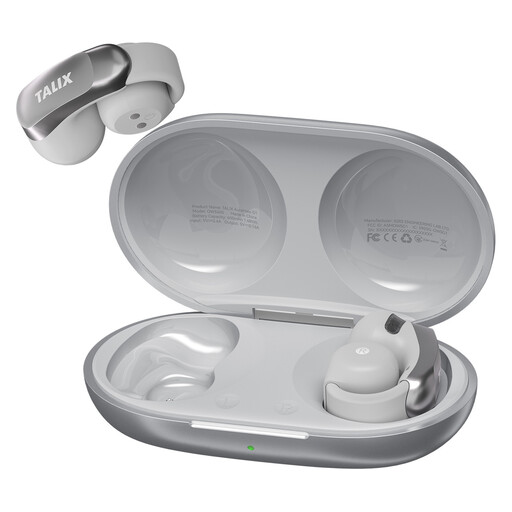
Why it suits this profile: The clip-on fit and weight of 5,2 grams per earbud make this model practical for everyday use, online meetings and light workouts.
The product specifications state 7 hours of playback per charge and 28 hours with the case. The IPX4 rating makes clear that this model isn’t intended for submersion.
Bluetooth 5.3, four microphones, USB quick charging and a silicone ear hook for a more secure fit.
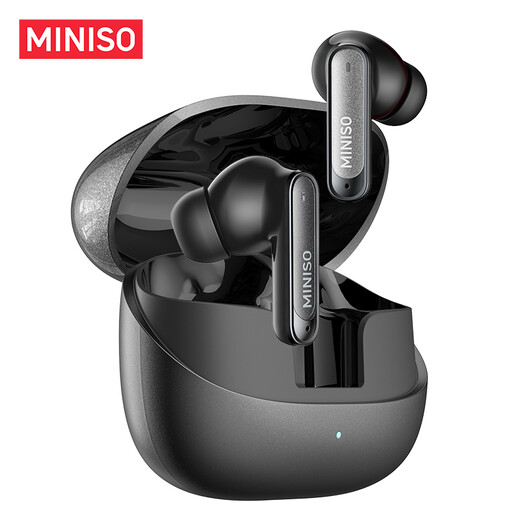
Why it suits this profile: This TWS model combines a 10mm dynamic driver, touch controls and a two-device connection for music, office work and calls.
According to MINISO, this model features adaptive noise cancelling and six microphones for calls. Before you buy, check that you can use these features with your phone.
Up to 55 hours of total battery life, an IPX5 rating and a stated quick-charge time of 10 minutes for up to 3 hours of playback.
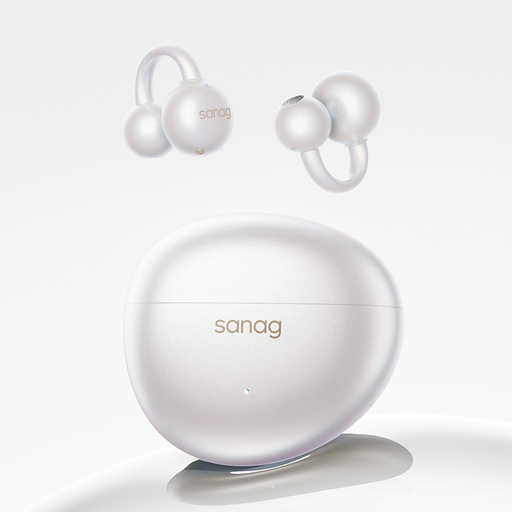
Why it suits this profile: The open-ear bone-conduction design leaves your ear canals unobstructed and is aimed at sport, walking and situations where staying aware of your surroundings matters.
The open design means you aren’t completely cut off from the sounds around you. The manufacturer does recommend keeping the volume low enough to hear traffic and alarms.
Open-ear bone conduction, Bluetooth connectivity and a built-in AI translation support feature, according to the product description.
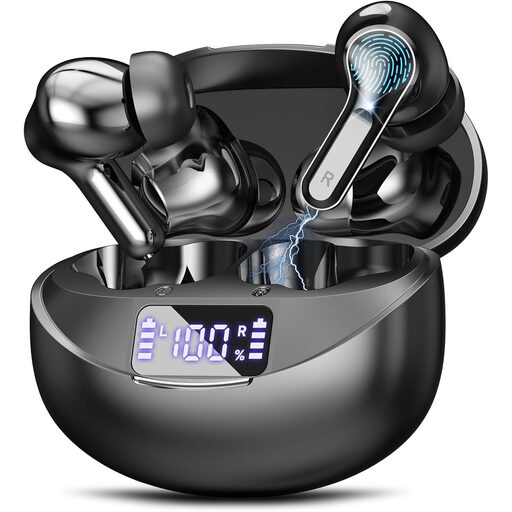
Why it suits this profile: The stated total playback time of 50 hours, ENC microphones and in-ear fit make these earbuds a good match for travel, everyday calls and longer listening sessions.
The product information lists 50 hours of total playback time, six ENC microphones and an IP7 rating separately. Compare these figures with how you plan to use and charge the earbuds.
HiFi stereo sound, according to the product listing, an LED indicator, noise cancelling and USB-C charging.
We’ve put together a complete, up-to-date list of products that meet these strict selection criteria and comply with current European safety regulations.
Open your phone’s Bluetooth settings, put the earbuds into pairing mode and select the product name. If the model doesn’t appear, check whether it’s already connected to another device. With TWS earbuds, it may help to put both earbuds back in the case and start the pairing process again.
Battery life per charge varies by model and settings. Battery capacity decreases over time, particularly after many charging cycles or exposure to heat. Avoid leaving the case in direct sunlight or in a hot car, and charge the product according to the manufacturer’s instructions.
That depends on the traffic conditions and the mode you choose. Noise cancelling can reduce background noise, making it harder to hear important sounds. Open-ear models or transparency mode are often more practical for cycling and traffic. Make sure you can still hear enough of your surroundings, and avoid using features that distract you from the road.
