
Vandaag of morgen in huis

Kwaliteit gegarandeerd

Welkomstaanbiedingen ontgrendelen: GRATIS bezorging | Tot 80% korting | Gratis 30 dagen JoyPlus-proefperiode
Download de app
Wireless Bluetooth earbuds are handy for commuting, working from home, travelling and exercising. But a long list of features doesn’t automatically mean a model will suit your day-to-day needs. A low price may seem appealing, for example, but an uncertain fit, limited microphone quality or flimsy charging case can make a product less practical.
So focus on the practical details behind the marketing terms. Read on to find out which features to check and which models suit different needs.
Bluetooth earbuds with noise cancelling can use different technologies. Active noise cancelling (ANC) uses microphones and electronics to reduce background noise. Passive noise isolation mainly comes from how the earbuds fit.
An open-ear model or clip-on earbud usually doesn’t block the ear canal. This can be more comfortable if you want to stay aware of your surroundings, but its ANC performance isn’t necessarily comparable to that of closed in-ear earbuds. Check whether the product description refers to active noise cancelling, sound isolation or simply an open design.
Manufacturers often quote total listening time, including the charging case. For everyday use, playback time on a single charge is just as important. A model offering, for example, 5 to 7 hours per charge may be enough for a working day with breaks, while travellers may value the case’s total capacity more.
Also check the conditions behind the claim. Noise cancelling, phone calls and high volume can affect battery life. And make sure fast charging, USB-C and wireless charging are actually supported.
An IPX4 rating means protection against splashes and sweat in practice, not submersion. An IPX5 or IPX7 rating indicates a different level of protection, but always check which parts are protected. On some models, the charging case is less resistant to moisture than the earbuds.
For running or working out, water-resistant earbuds with a clear IP rating are more practical than a model with no stated level of protection. Take care in heavy rain, when swimming or during prolonged exposure to moisture.
When cycling or near traffic, don’t use a setting that unnecessarily reduces your awareness of your surroundings. Some product descriptions also specifically advise against using earbuds while cycling, driving or operating machinery.
Bluetooth 5.3 or 5.4 tells you which Bluetooth version is used, but it doesn’t tell you on its own how stable the connection will be in your home. Check the stated range, multipoint support and compatibility with Android and iOS too.
If you often take part in meetings, look beyond the speakers. Check the number of microphones and whether the description mentions features such as wind noise reduction, beamforming or call noise reduction. These are technical features listed in the product information, but call quality can depend on the wind, how far your phone is from you and the app you’re using.
Compare these three figures separately:
A charging case with a digital display can make it easy to check the remaining battery level. Dry and clean your earbuds regularly with a soft cloth, and don’t put them back in the case while they’re wet. For lithium batteries, use the recommended cable and avoid heat, damage or prolonged exposure to moisture.
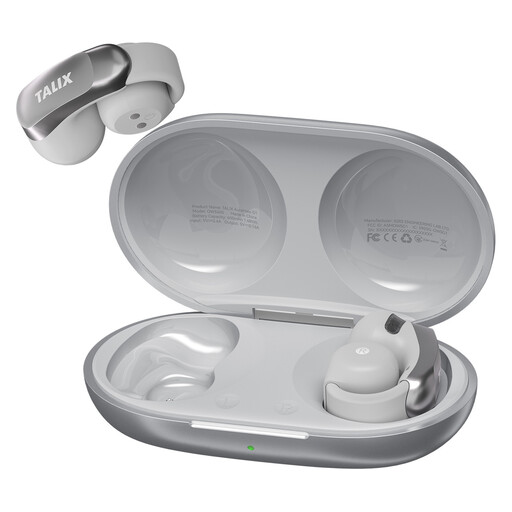
Why it suits this type of user: The clip-on fit and weight of 5,2 grams per earbud make this a good match for anyone looking for a straightforward model for work, travel and light exercise.
The product information lists up to 7 hours per charge and 28 hours with the case separately. It also clearly states the IPX4 rating, which means protection against splashes rather than full waterproofing.
Bluetooth 5.3, four microphones, touch controls and fast charging, with the product information stating 2 hours of playback after 10 minutes of charging.
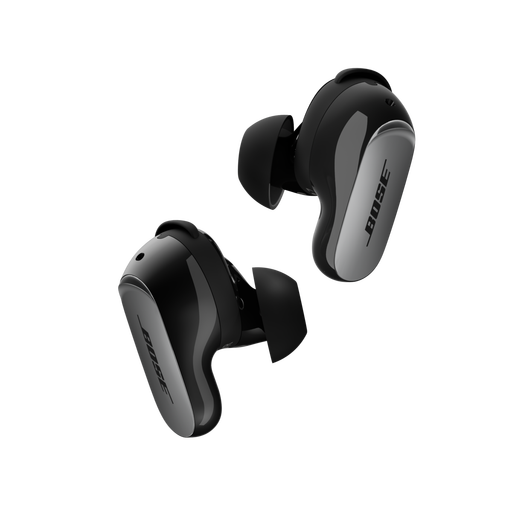
Why it suits this type of user: This closed in-ear model is designed for travelling, working and listening to music with ANC, an Aware mode and a range of fit accessories.
The product description distinguishes active noise cancellation from Aware mode, and mentions a fit kit with three sizes of ear tips and stability bands.
Bluetooth 5.3, multipoint pairing, USB-C and wireless charging; playback time is stated as up to 6 hours per charge.
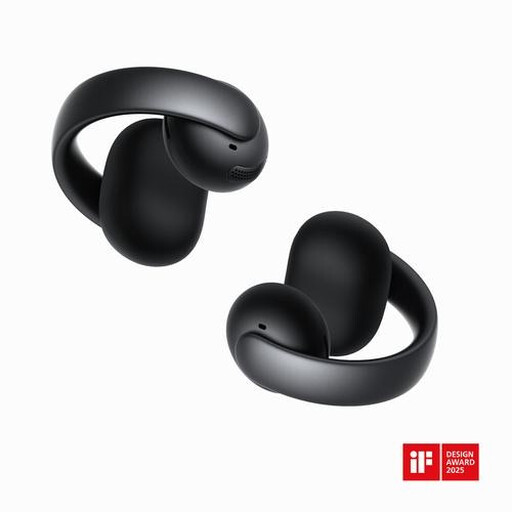
Why it suits this type of user: The open-ear clip-on design is made for walking, exercise, commuting and extended wear without sealing off the ear canal.
The product description specifically mentions an open-ear design, four beamforming microphones and a wind-resistant microphone grille. This makes it clearer what the design is intended for.
Hi-Res Audio according to the product information, a 12 × 12 mm driver and a flexible open-ring design that the manufacturer says can withstand 20.000 bends.
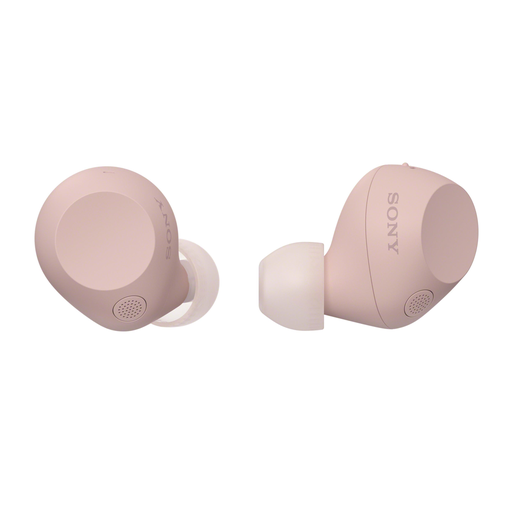
Why it suits this type of user: The combination of ANC, multipoint and stated total battery life of up to 40 hours without noise cancelling makes this a good fit for travel, office work and everyday use.
The product information gives separate battery life figures with and without noise cancelling: up to 30 hours with ANC and up to 40 hours without. IPX4 is also clearly stated.
Bluetooth 5.3, multipoint, fast charging and touch controls. According to the specifications, the earbuds are compatible with Android and iOS.
We’ve put together a complete, up-to-date list of products that meet these strict selection criteria and the applicable European safety regulations.
First, charge the earbuds and open the Bluetooth settings on your phone. Put the earbuds into pairing mode, select the product name and confirm the connection. Some models need an app for extra settings; check that it works with your operating system.
Battery life per charge often ranges from around 5 to 9 hours, while the case can provide several extra charges. The overall lifespan depends on charging cycles, storage, temperature and care. Keep your earbuds dry, avoid heat and charge them with a suitable cable.
It depends on the fit and IP rating. Sports earbuds with an ear hook or clip can stay in place more securely. For sweat and light rain, a clear splash-resistance rating such as IPX4 is useful. Also check whether the model lets in surrounding sounds when you’re outdoors, and don’t use it in situations where you need to hear traffic.
