
Vandaag of morgen in huis

Kwaliteit gegarandeerd

Welkomstaanbiedingen ontgrendelen: GRATIS bezorging | Tot 80% korting | Gratis 30 dagen JoyPlus-proefperiode
Download de app
Wireless Bluetooth earbuds are handy for listening to music, making calls, travelling, working and exercising. However, a purchase can sometimes disappoint. For example, a long battery life may only apply when the charging case is included. “Waterproof” does not automatically mean you can use them for swimming either.
As a Joybuy Product Recommendation Officer, I filter the most important product specifications from the marketing copy. This helps you compare wireless Bluetooth earbuds based on the features that genuinely make a difference in everyday use.
Manufacturers often state the total playback time, including the charging case. Always check:
A model advertised with “long battery life” is not automatically suitable for long working days. For everyday use, a fast-charging function may be more practical than a high total figure.
The IP rating indicates the conditions a product is designed to withstand according to its stated specification. IPX4 is intended for splashes, sweat and light rain. IPX5 provides protection against water jets, but not immersion. For swimming, you need a model with a higher rating and a suitable swimming mode.
Pay attention to the charging case too. It may have a different level of protection from the earbuds. Never charge a wet product immediately.
Bluetooth earbuds with noise cancellation can reduce ambient noise, which is useful on the train or in the office. However, performance varies depending on the surroundings, fit and settings. Claims such as “up to -50 dB” or a specific percentage of noise reduction come from the brand’s product information and are not a guarantee for every user.
Open-ear earbuds and bone conduction headphones allow you to hear ambient sounds more clearly. This can be useful when walking or cycling, but it means music sounds different compared with closed in-ear earbuds.
A comfortable fit determines whether you will actually continue using the earbuds. In-ear models seal the ear and can therefore provide more bass and passive noise isolation. Check whether multiple ear tip sizes are included.
For running and cycling, sports earbuds with an ear hook or an open-ear design are often more practical. A clip-on model can reduce pressure in the ear canal, while bone conduction headphones are worn around or in front of the ear. For extended use, pay attention to weight, adjustability and stability.
Use this classification as a practical guide:
When using earbuds in the sea or swimming pool, rinsing them with clean water and allowing them to dry completely is important. Also check whether Bluetooth works while swimming. Some models use internal storage instead of a continuous Bluetooth connection for this purpose.
For online meetings and calls, earbuds with a microphone and multiple microphones can be useful. A good product specification may state the number of microphones and mention a function for reducing ambient noise. That does not mean every call will remain clear on a busy street.
Bluetooth 5.3 or 5.4 can help provide a stable connection, but range also depends on your phone, obstacles and interference. Multipoint or dual-device connectivity is useful when switching between a laptop and smartphone.
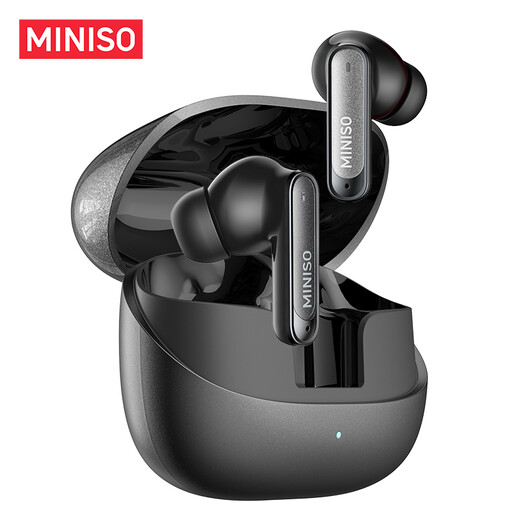
Why it suits this profile: This model combines true wireless earbuds, a built-in microphone, touch controls and a stated total battery life of up to 55 hours. This makes it a practical choice for the office, studying, commuting and light exercise.
The product information specifies IPX5 rather than simply calling the earbuds “waterproof”. However, do not use this model for swimming. The stated battery life is clearly described as total playback time with the case.
10mm dynamic driver, six microphones according to the product description, fast charging and connection to two devices.
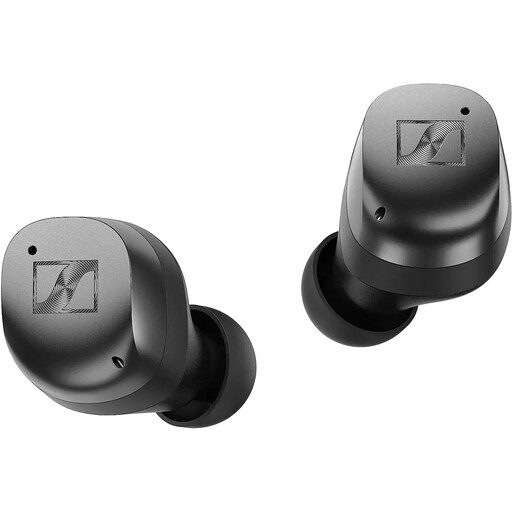
Why it suits this profile: The specifications focus on sound customisation, active noise cancellation and wireless audio technology. This makes the earbuds suitable for listening to music, travelling and working in changing sound environments.
The IP54 rating makes it clear that this is protection against splashes, not a rating for swimming. The battery life of up to 30 hours includes the charging case.
Bluetooth 5.4, Auracast support according to the product information, Qi charging and a customisable 5-band equaliser via the app.
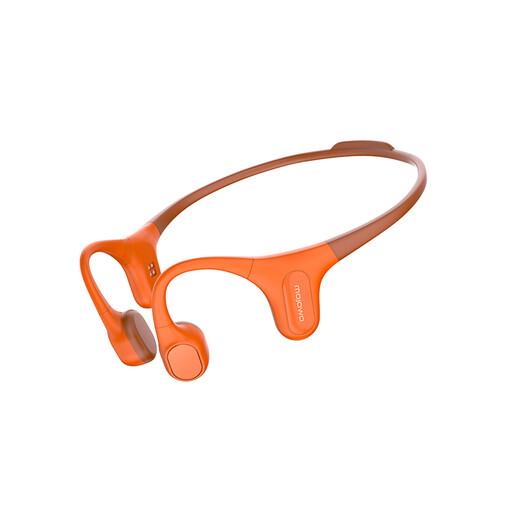
Why it suits this profile: This open-ear model is designed for running, cycling, fitness and swimming. The product name and listing mention IP68, 32 GB of internal storage and an MP3 player, so Bluetooth does not have to be the only listening option while swimming.
The storage function can be useful when a Bluetooth connection is unavailable in the water. After swimming, the safety information says to rinse the device with clean water and allow it to dry completely.
Open-ear bone conduction design, 32 GB of storage and a stated IP68 rating for sports and swimming.
We have put together a complete, up-to-date list of products that fully meet these strict selection criteria and the applicable European safety regulations.
Charge the earbuds and case first. Open the case, enable Bluetooth on your smartphone and select the product name from the list of available devices. If the model has been paired before, this often happens automatically. If it does not work, remove the old pairing and follow the reset instructions in the manual.
Battery life per charge varies by model and settings. ANC, high volume levels and phone calls generally use more power. The lithium-ion battery also loses capacity over time. Store the earbuds in a dry place, use a suitable USB-C charger and avoid heat to minimise unnecessary wear.
That depends on the fit and IP rating. For earbuds used for running and cycling, ear hooks, open-ear designs and a stable connection are practical features. When near traffic, preferably choose a model that allows you to remain aware of your surroundings, and keep your attention on the road. No transparency mode is a substitute for staying alert.
