
Vandaag of morgen in huis

Kwaliteit gegarandeerd

Welkomstaanbiedingen ontgrendelen: GRATIS bezorging | Tot 80% korting | Gratis 30 dagen JoyPlus-proefperiode
Download de app
Wireless audio comes in many forms, from compact Bluetooth earbuds for listening on the go to powerful speakers for a garden party. But a long list of features doesn’t automatically mean a product is right for you. A newer Bluetooth version, high wattage or long battery life may matter less in practice than fit, connections and water protection.
So keep an eye out for these three common pitfalls:
Battery life with unclear conditions
Manufacturers often quote the maximum play time. This can depend on the volume, active noise cancelling and lighting. For example, a speaker with LED lighting may run for considerably less time than it does without the lights on.
Misunderstanding water resistance
IPX4, IPX7 and IP67 don’t mean the same thing. A splash-resistant product isn’t automatically suitable for submersion. Covers for charging ports also need to be properly closed.
Confusing features with sound quality
RGB lighting, a newer Bluetooth version or a large number of microphones can be useful, but they don’t determine sound quality on their own. Also consider driver size, channel configuration, codecs, placement and how you plan to use the product.
Bluetooth 5.3 or 5.4 can help provide an efficient, stable connection, but your experience also depends on your smartphone, laptop or tablet. So check:
For example, a laptop user may benefit from gaming speakers with USB and 3.5mm AUX. For a smartphone, true wireless earbuds with a charging case are often more practical.
Check the difference between play time per charge and total play time with a charging case. With earbuds, for example, “up to” may mean ANC is switched off or the volume is relatively low. With speakers, lighting and high volume affect power consumption.
Also check:
The IP rating consists of two numbers, or a number and an X. The first number indicates protection against dust, while the second refers to water. IP67, for example, means complete dust protection and temporary submersion under certain conditions. IPX4 indicates protection against splashes, but not submersion.
For sports, fit, weight and sweat resistance are at least as important as the IP rating. An open-ear model lets you hear more of your surroundings, but blocks out less sound than in-ear earbuds with ANC.
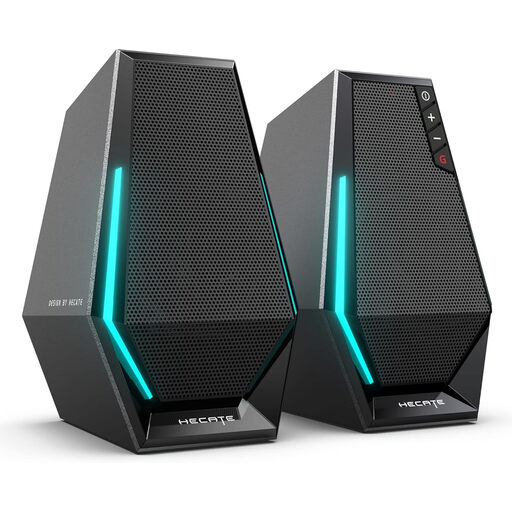
Why it suits this profile: This compact set is designed for a desk, laptop or gaming PC, with several connection options and no need for an extra receiver.
As well as Bluetooth 5.3, the product information lists USB and 3.5mm AUX connections. So you’re not reliant on a wireless connection alone.
Two 2.5-inch full-range drivers, 10-watt peak power, three EQ modes and five RGB lighting effects.
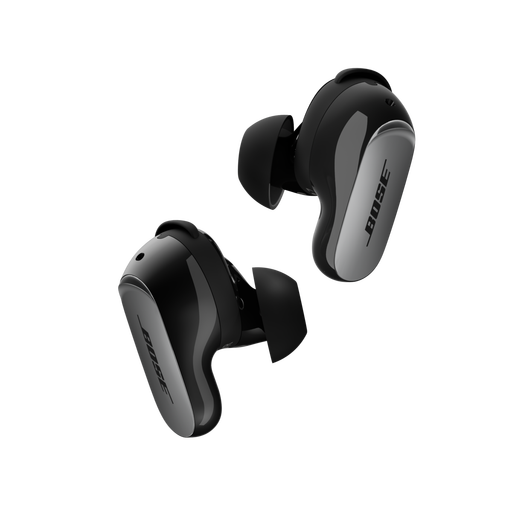
Why it suits this profile: These wireless earbuds are designed for travel, work and everyday listening, with active noise cancelling and adjustable sound.
The product information distinguishes between ANC and Aware modes. You can choose to block out surrounding noise or let it through.
Bluetooth 5.3, multipoint pairing, USB-C and wireless case charging, with up to six hours of play time per charge.
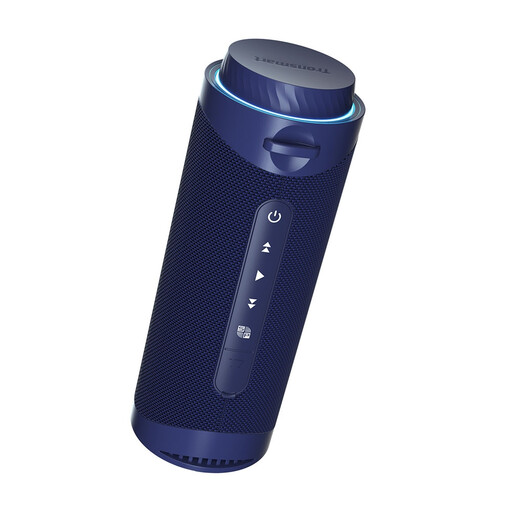
Why it suits this profile: A practical choice if you’re looking for a portable Bluetooth speaker for home, on the go, parties or outdoor use.
The IPX7 rating and included carrying strap make it suitable for use on the go, but always follow the product instructions if submerging it.
30 watts of output power, Bluetooth 5.3, microSD card reader, TWS pairing and up to twelve hours of play time with the lights off.
We’ve put together a complete, up-to-date list of products that meet these strict selection criteria and comply with current European safety regulations.
Turn on Bluetooth on your smartphone, open the settings and select the device from the list. With many earbuds, opening the charging case automatically activates pairing mode. If that doesn’t work, press and hold the pairing button or touch control for a few seconds. If you’re having trouble, check whether the device is already connected to another smartphone.
Battery life depends on battery capacity, volume, temperature and features such as ANC or RGB lighting. Battery capacity gradually decreases after many charging cycles. Don’t leave the product completely discharged for long periods, and use a suitable USB-C charger. In the EU, the legal guarantee for consumer products is generally at least two years, in addition to any other rights you may have.
Noise-cancelling earbuds can reduce surrounding noise, which isn’t always desirable in traffic. When cycling, only use a mode that lets in enough surrounding noise, and follow the rules of the road. An open-ear model, such as open-ear earbuds, may be a better choice when you need to stay alert. Also keep the volume at a level that lets you hear important sounds.
