
Attentive choral listener
Wants to assess individual voices and a choir’s sound balance, so compares both the sound profile and the seal rather than relying on claims about detail alone.


For attentive listening to choral voices, wired in-ears are a sensible choice if the sound balance and fit work for you. If persistent engine noise is your main concern, you could also compare wireless earbuds with active noise cancellation. Manufacturers describe different sound profiles and noise-reduction capabilities, but these claims can’t tell you how a model will fit your ears or sound with your choir recordings. Check the fit, make sure the connection works with your playback device and, for wireless earbuds, compare the continuous listening time with the length of your listening session.
Wants to assess individual voices and a choir’s sound balance, so compares both the sound profile and the seal rather than relying on claims about detail alone.
Finds persistent cabin noise more distracting than a cable or a break to recharge, and compares passive isolation with active noise cancellation.
Wants to listen for longer without uncomfortable pressure, and looks at the available ear tips and how the in-ears feel when trying them on.
Choose this option if: you want to listen without a charging break and have a wired connection or can use a suitable adapter.
Bear in mind: the seal and comfort depend on the fit; also check that the sound works well with your choir recordings.
Choose this option if: persistent engine noise is your main annoyance and you’d prefer to listen without a cable.
Bear in mind: the earbuds run on a battery; Sony rates the WF-1000XM5 for up to 8 hours of continuous music playback with noise cancellation on.
The table separates the main buying priorities of consumers looking for in-ears for choral music on a long flight.
| What to consider | What to check before buying | Who is this most relevant to? |
|---|---|---|
| Sound balance for choral voices | Listen to familiar choir recordings and compare the sound profile; according to Sennheiser, the IE 200 has two ear-tip positions that affect the bass response. | I want to assess voices and harmony without relying on a general promise of detail; around 29% of consumers put sound balance for choral music first. |
| Cabin noise | Fit the ear tips carefully; passive isolation depends on the fit. The Consumers’ Association mentions active noise cancellation as a way to tackle low-frequency engine noise in particular. | If persistent engine noise is what disrupts my listening most, I compare sealing ear tips with active noise cancellation; around 24% of consumers prioritise reducing cabin noise. |
| Fit for long listening sessions | Try different sizes and materials, and assess both the seal and comfort over a longer period. | I don’t want uncomfortable pressure during a long listening session and want to know which ear tips stay in place; around 29% of consumers choose fit as their main consideration. |
| Connection and listening time | Check the connection on your own playback device. For wireless earbuds, compare continuous playback time with your intended listening time; charging them in the case interrupts listening. | If I want to make sure the connection and uninterrupted listening time will work for me, I check them before choosing; around 18% of consumers put these practical requirements first. |
A stated noise-reduction figure doesn’t tell you how well an ear tip will seal in your ears or how much noise you’ll hear on a particular flight. Etymotic and Shure publish manufacturer figures, but these aren’t a guarantee for every wearer.
Assess the seal and comfort together. If engine noise is your main concern, compare active noise cancellation too.
Sony rates the WF-1000XM5 for up to 8 hours of continuous playback with noise cancellation on. Charging in the case can extend the total usage time, but you can’t keep listening while the earbuds charge.
Compare the earbuds’ stated playback time, with noise cancellation switched on, against how long you want to listen.
You can only assess the fit when wearing the earbuds. According to ACM ConsuWijzer, an exception to the usual cooling-off period may apply to hygiene products that have been removed from their packaging.
Before opening the packaging, check the return terms that apply to your purchase.
The ER2SE is a wired option to compare if you want to try a sound profile that Etymotic describes as flat, along with passive isolation.
The IE 200 is a wired option for comparing different ear-tip materials and bass positions with your own music.
According to Shure, the SE215 combines replaceable ear tips, a detachable cable and passive isolation.
The WF-1000XM5 is a wireless alternative to compare if engine noise is your main concern.
This selection includes wired in-ears for listening without a charging break, and wireless in-ears with noise cancellation for anyone looking to tackle cabin noise.
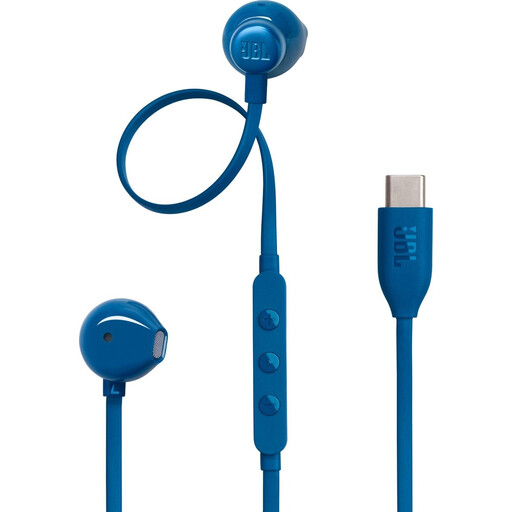 Image unavailable
A wired option for listening to choir recordings without needing to recharge the earbuds along the way; the product information mentions a vocal EQ preset for comparing sound settings.
USB-C connection. Check that your playback device supports compatible USB-C audio.
 Image unavailable
A wired option for comparing noise cancellation and fit options without needing to recharge the earbuds.
USB-C connection; your playback device must support compatible USB-C audio. The product information lists three sizes of ear tips and two sizes of stability bands.
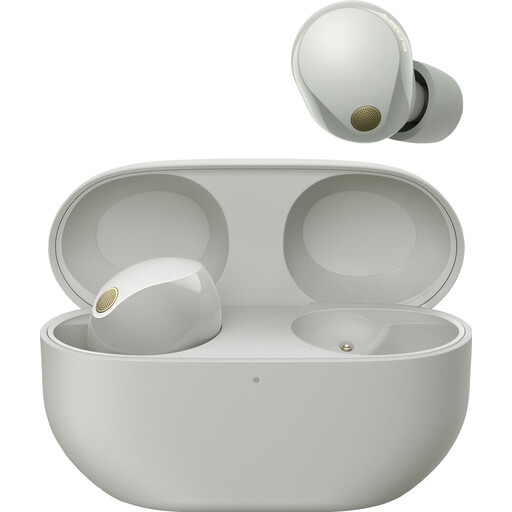 Image unavailable
A wireless option to compare if persistent cabin noise is your main concern.
Sony rates it for up to 8 hours of continuous music playback with noise cancellation on. Extra playback time from the case requires a break to recharge.
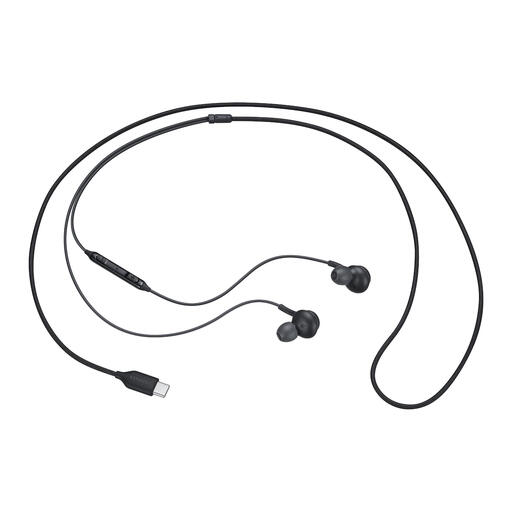 Image unavailable
A wired choice for anyone looking to compare listening without a charging break and different ear-tip sizes.
USB Type-C connection; check that your playback device is compatible. The product information lists ear tips in different sizes.
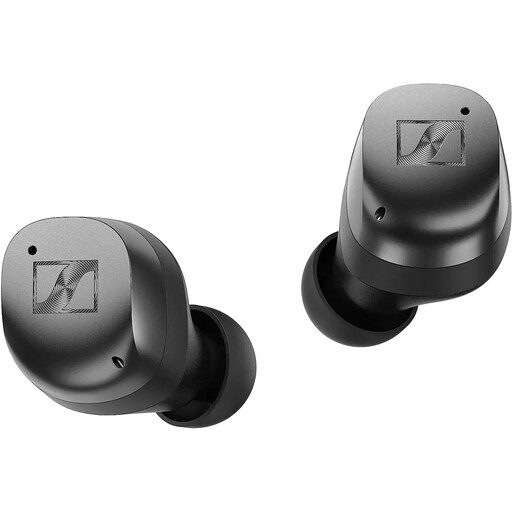 Image unavailable
A wireless option for comparing active noise cancellation, adjustable sound and different ear-tip sizes.
The product information lists a five-band equaliser and up to 30 hours of playback with the charging case; this isn’t the same as uninterrupted playback from the earbuds themselves.
It depends on your playback device. For the entertainment system in your seat, check the guidance for your specific flight: KLM recommends wired headphones for its entertainment system and mentions a Bluetooth adapter as an alternative for Bluetooth earbuds. This advice doesn’t necessarily apply to every flight.
Start at a low volume and choose ear tips that fit well. The World Health Organization recommends well-fitting or noise-cancelling headphones to make you less likely to turn up the volume in noisy environments; both the sound level and listening time matter.
No, not always. ACM ConsuWijzer says that online purchases usually come with a 14-day cooling-off period after delivery, but notes an exception for hygiene products that have been removed from their packaging. Before breaking any seal, check whether the exception applies to your purchase and packaging.
Check your airline’s guidance. The European Union Aviation Safety Agency recommends carrying portable electronic devices in your hand luggage and says that spare batteries and power banks should be carried in hand luggage.