
Mix-maker who wants to keep track of the details
You listen out for changes in balance or tone between household tasks. A repeatable listening set-up and a secure fit are important to you.


If you want to hear mix differences as consistently as possible, start with a well-fitting pair of wired in-ear headphones, then check important changes again later in a quiet setting using your usual reference system. Wireless in-ear headphones are more practical if you want to move around freely, but check the listening mode and fit each time; don’t use them as your only basis for final mix decisions. Manufacturer claims about tuning or noise isolation don’t prove how a model will sound in your home.
You listen out for changes in balance or tone between household tasks. A repeatable listening set-up and a secure fit are important to you.
You often move between places and mainly want to hear whether a change sounds different. Being able to move around without a cable and having control over ambient sound matter more to you than a fixed wired reference.
You don’t want to drown out household noise by continually turning up the volume. That’s why you pay attention to fit, isolation and a listening level that still lets you notice important sounds at home.
Choose this option: if hearing mix differences consistently is your priority and your source device supports a wired connection.
Bear in mind: the cable limits your freedom of movement; check that the tips stay securely in place as you move. Etymotic describes the ER2SE as having a flat tuning, but this isn’t an independent listening test.
Choose this option: if, while doing the housework, you mainly want to check whether a change is audible and being able to move freely is important.
Bear in mind: you’ll need to charge them and check the listening mode. Sony describes settings for the WF-1000XM5 that can respond to movement, so don’t use this option as your only reference for subtle mix decisions.
| What to consider | What to look for | Who should pay particular attention? |
|---|---|---|
| Hearing mix differences consistently | Compare the same short passage at the same volume, using the same tips and listening settings. | I want to listen back to small changes in the same way each time, without the fit or settings affecting my judgement. Around 33% of consumers say consistency is their top priority. |
| Freedom of movement | Check that the in-ear headphones stay in place as you move and that automatic settings don’t change the sound. | If I move between tasks, a cable getting in the way is inconvenient. Around 25% of consumers prioritise moving around without a cable. |
| Isolation and listening volume | Try tips that fit well, start at a low volume and put off critical comparisons if background noise is distracting. | I don’t want to drown out ambient noise by listening louder, but I still want to notice important sounds at home. Around 25% of consumers say isolation and a manageable volume are their top priorities. |
| Fit and maintenance | Check which tip sizes are included and which parts can be replaced for the exact model. | If I wear my in-ear headphones often, I want a comfortable fit that stays comfortable when I move, and to know which parts I can replace. Around 17% of consumers prioritise fit and maintenance. |
A manufacturer’s description of the tuning doesn’t tell you how the fit, background noise or comparison volume will affect your listening while doing the housework.
Keep your listening set-up consistent and check important changes again later in a quiet setting.
Sony says its ambient sound control can respond to movement. A changing listening mode can affect your comparison.
Check the mode before comparing two versions. Choose wired if a consistent listening set-up matters more than moving around freely.
With wireless in-ear headphones, you’ll need to charge them and keep an eye on the listening modes you’ve selected or that change automatically.
Household noise can mask details. The World Health Organization points out that both sound level and listening time matter for safe listening.
If possible, improve the fit and leave critical listening until a quieter moment. Also make sure you can still notice important sounds at home.
ACM ConsuWijzer notes an exception to the cooling-off period for unsealed hygiene products, but this doesn’t establish how that exception applies to every individual pair of in-ear headphones.
Check the terms for the specific product before opening the packaging.
The wired ER2SE is worth considering if consistent sound reproduction is your priority.
The wired IE 200 is worth considering if fit and the choice between two ear-tip positions matter to you.
The wireless WF-1000XM5 is an option if moving around without a cable and adjustable ambient sound are important to you.
The wired CHU II is worth considering if you want to compare a different tuning.
This selection includes wired in-ear headphones for listening through a compatible connection, plus a wireless option for moving around freely while doing the housework. Fit, connection and a consistent listening mode all remain important when comparing mix changes.
 No image available
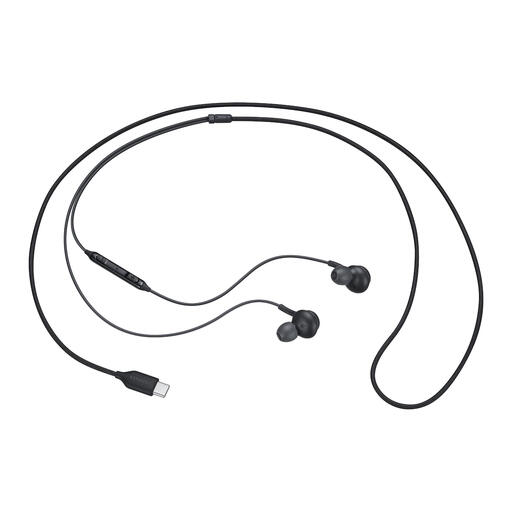
Wired in-ear headphones for listening without having to charge the earbuds themselves; check that your source device has a compatible USB-C connection.
The product description lists an in-line remote and microphone, three sizes of ear tips and stability wings.
The description mentions noise cancellation; bear household sounds in mind.
 No image available
Wired USB-C in-ear headphones for listening from a compatible source; check your device’s connection.
The product description lists a built-in DAC, AKG-tuned speakers and several sizes of ear tips.
 No image available
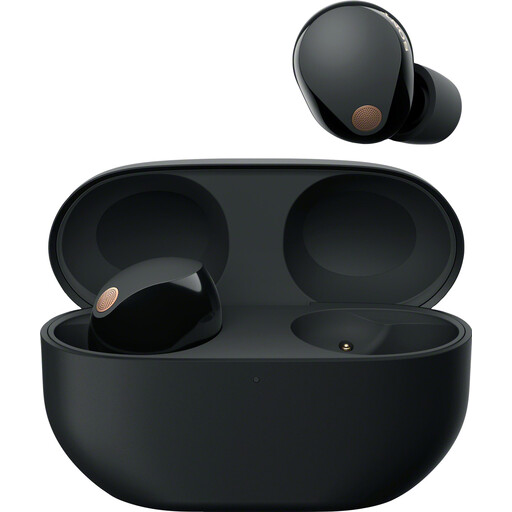
A wireless option for moving around freely while doing the housework; don’t use it as your only basis for final mix decisions.
Sony describes adjustable noise-cancelling and ambient sound settings. Check these settings each time you compare, as the controls can respond to movement.
 No image available
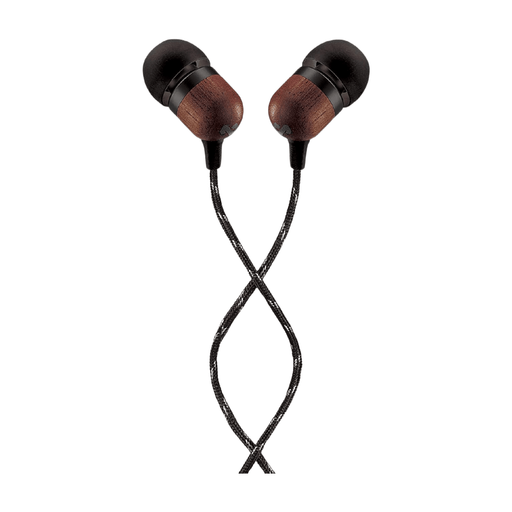
Wired in-ear headphones with a USB-C connection for listening through a compatible source.
The product name lists a 9,2 mm driver, a tangle-resistant cable and a built-in microphone.
After use, check the stated cleaning instructions and whether your source device is compatible.
 No image available
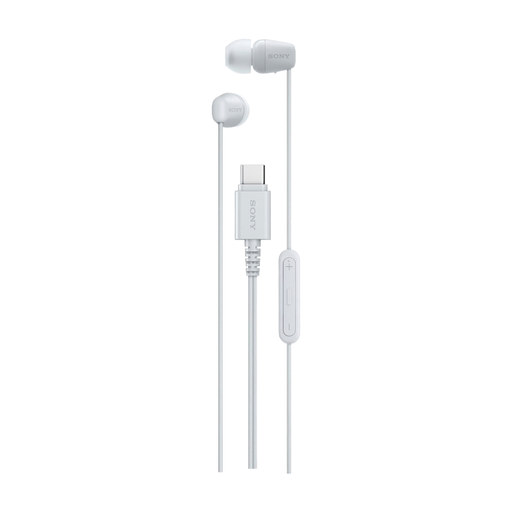
Wired USB-C in-ear headphones for listening from a compatible source; check beforehand that your device supports this connection.
The product description lists an in-line microphone and controls, a lightweight design and a tangle-resistant cable.
It’s better to use a listening session like this to notice a change rather than as your only final judgement. Check the same passage later at the same volume, with the same fit and listening mode, and without distracting household noise.
Use the same tips, tip position and listening settings for every comparison. Sennheiser says the two tip positions on the IE 200 change the sound balance; Sony describes movement-sensitive ambient sound settings for the WF-1000XM5.
No. Pause your critical comparison or wait for a quieter moment. The World Health Organization recommends well-fitting headphones to reduce the temptation to listen louder in noisy conditions, and highlights the importance of sound level and listening time.
Check whether suitable tips and, for a wired model, replacement cables are available for the exact model. In the Netherlands, the legal guarantee for a faulty product is separate from any additional manufacturer’s warranty; according to ACM ConsuWijzer, the retailer is your point of contact.
For online consumer purchases, you generally have a statutory 14-day cooling-off period after delivery. ACM ConsuWijzer notes an exception for unsealed hygiene products, but doesn’t establish whether it applies to every pair of in-ear headphones. So check the terms for the specific product before opening the packaging.