
Attentive piano listener
You compare the sound with familiar recital recordings and don’t want to rely solely on a manufacturer’s claims that it is ‘flat’ or ‘detailed’.


A wired in-ear monitor could suit you if you want to listen without charging earbuds and can find a comfortable tip that seals well. Wireless in-ears with ANC may be more practical if cable-free travel and adjustable noise cancellation matter more to you. For wired models, check that the connection is compatible with your player, and don’t treat noise-isolation claims as a guarantee of how they’ll work for your ears or on your train journey. The sound and noise-isolation features mentioned are model claims, not the result of a head-to-head listening test with piano recitals.
You compare the sound with familiar recital recordings and don’t want to rely solely on a manufacturer’s claims that it is ‘flat’ or ‘detailed’.
You want a comfortable seal or adjustable noise cancellation, so you’re less tempted to keep turning up the volume.
You weigh comfort and replaceable parts against having a cable, the connection on your player or the need to charge wireless earbuds.
A good fit if: you want to listen without charging and can find a tip that seals comfortably.
Bear in mind: the cable, the connection to your player and the fact that a good seal can muffle announcements.
A good fit if: cable-free travel and adjustable noise cancellation are important to you.
Bear in mind: you’ll need to charge them and remain aware of important sounds around you.
| What to consider | What to look for | Who is this important to? |
|---|---|---|
| Sound balance | Compare the tuning of the exact model with a piano recording you know well. Etymotic describes the ER2SE as having a flat tuning and the ER2XR as having more bass; this isn’t an independent ranking for piano music. | If you’re mainly looking for a sound balance that suits your own preferences when listening to piano music, this is the top priority for around 29% of consumers. |
| Train noise | Compare passive isolation with ANC, but don’t assume stated noise-reduction figures guarantee a particular result. Bear announcements and other important sounds in mind. | If you want to be less bothered by train noise without constantly turning up the volume, this is the top priority for around 29% of consumers. |
| Fit | Check which tip sizes and materials are included. A wider choice doesn’t guarantee that a tip will feel comfortable or seal well for you. | If your main concern on a longer journey is finding a tip that stays comfortable, fit is the top priority for around 24% of consumers. |
| Connection and maintenance | Check the connection on your player and the connector type for a replacement cable. A detachable cable doesn’t mean that every type will fit. | If everyday convenience matters to you, such as a compatible connection or easy maintenance, around 18% of consumers put this need first. |
Etymotic and Shure publish figures for their own models, but how well the tips fit affects both the seal and the noise reduction you experience.
Check that the tips fit comfortably and try them in your own day-to-day use. Don’t automatically turn up the volume if the seal isn’t as good as you’d hoped.
The Sennheiser IE 200 uses MMCX connectors on the earbuds, while the Audio-Technica ATH-E40 uses A2DC. So, a detachable cable doesn’t mean they both use the same replacement cable.
Before choosing a cable or adapter, check both the connection on the earbud and the plug that fits your audio source.
Consumentenbond says that you generally can’t try earbuds in shops. ACM ConsuWijzer lists unsealed hygiene products as a possible exception to the cooling-off period; that doesn’t mean every pair of earbuds automatically falls under this exception.
Before opening the packaging, read the returns information that applies to your purchase and check which tip sizes and materials are included.
The wired ER2SE and ER2XR are worth considering if you want to choose between different bass tunings.
The wired SE215 is an option to compare if included tips and a detachable cable matter to you.
The wired IE 200 could suit you if you want to compare silicone or foam tips and a 3.5 mm connection.
The wired ATH-E40 is worth considering if you want to compare several silicone tip sizes and a detachable cable.
The wired IER-M500 and wireless WF-1000XM6 represent different product types and ways of listening.
This selection includes wired in-ears and wireless in-ears with ANC for listening on the go. Check the connection and intended use for each model.
 No image available
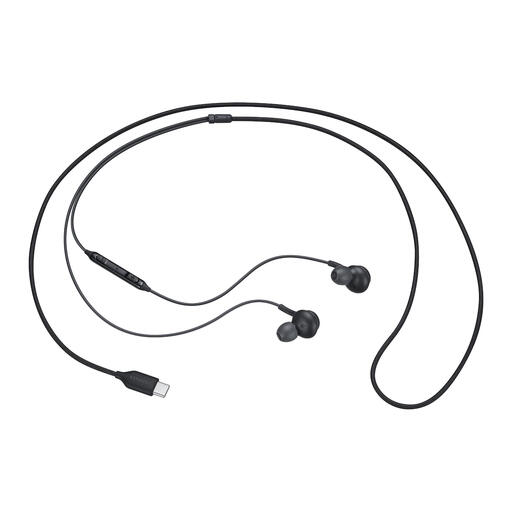
Wired in-ears to compare if you don’t want to charge your earbuds; check that your audio device supports USB-C.
USB-C connection, in-line controls and microphone, and tips included.
 No image available
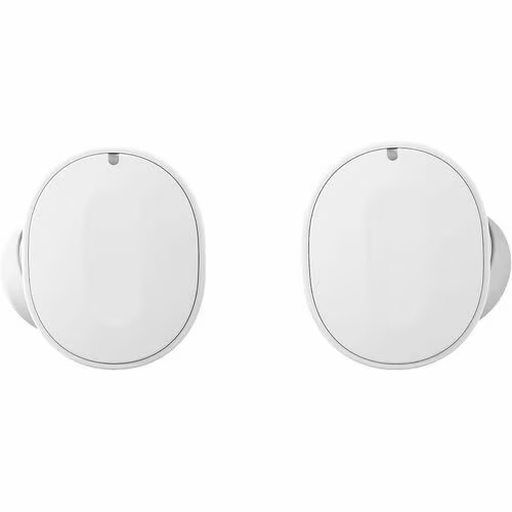
Wireless in-ears with ANC for cable-free travel; the earbuds and charging case need to be charged.
The product information describes a modular design with seven replaceable parts.
 No image available
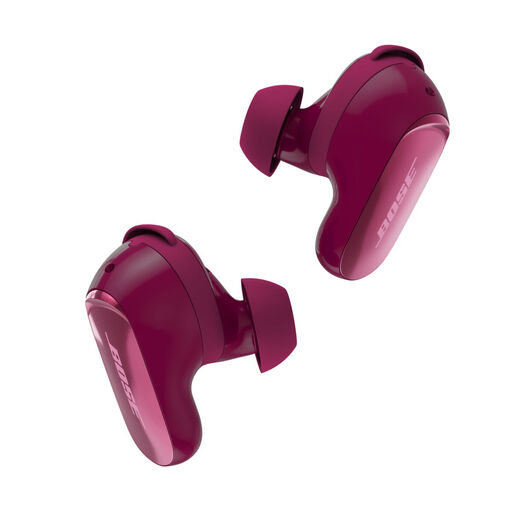
Wireless in-ears to compare if you’re looking for ANC and an ambient sound mode; stay aware of important sounds around you while listening.
The product information lists ANC, an Aware mode and nine combinations of ear tips and stability bands. The earbuds need to be charged.
 No image available
Wired in-ears for listening via USB-C; check that your audio device supports this connection.
The product information lists a built-in DAC and several sizes of ear tips.
 No image available
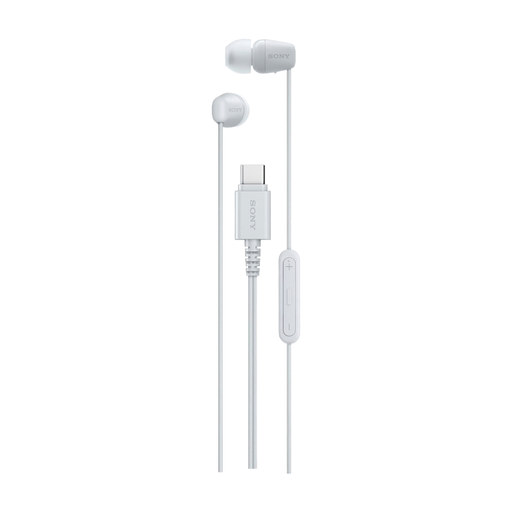
Wired in-ears for listening without Bluetooth; check that your player has a compatible USB-C connection.
The product information lists passive noise isolation, a microphone and in-line controls. The seal can also muffle sounds around you.
Check which connection your phone or player has. The Sennheiser IE 200 and Audio-Technica ATH-E40 mentioned here have a 3.5 mm plug. If your device doesn’t have that connection, check which compatible adapter or other audio source you’ll need.
First, check the fit and follow the cleaning instructions for your model. Shure lists dirt in the sound opening as a possible cause; only use cleaning tools as instructed for that model.
The World Health Organization recommends keeping the volume low and suggests a maximum of 60% of your device’s volume as a practical setting. Listening time and the actual sound level matter too: the percentage on the volume control doesn’t measure the sound reaching your ear.
According to ACM ConsuWijzer, online purchases generally come with a 14-day cooling-off period after delivery, subject to exceptions. ACM lists unsealed hygiene products as a possible exception, but doesn’t say that every model of earbuds is covered; check the seller’s information before opening the packaging. The legal guarantee also applies if a product breaks during normal use sooner than you could reasonably expect.
NS’s house rules don’t specify a particular type of in-ear monitor. During your journey, make sure you can still hear announcements and staff instructions.