Who are these earbuds for?

Listeners in a quiet library

You want to listen to chamber music without disturbing other visitors. So look for a snug fit and keep the volume low. The Dutch Consumers’ Association explains that well-fitting earbuds can help reduce sound leakage; Amsterdam Public Library asks visitors not to disturb others with loud music.

Chamber music enthusiasts

You compare the sound of instruments and care more about the sound tuning than extra features. If possible, listen to recordings you know well. Treat manufacturers’ descriptions of sound as their own marketing, not as an independent comparison.

Longer wireless listening sessions

You want to listen without a cable, so fit, controls and playback time per charge are important. The Dutch Consumers’ Association explains what to look for in wireless earbuds. The stated playback time depends on the listening mode you choose and doesn’t always mean you can listen for a full session without interruption.

What should you look for?

Wired, noise-isolating in-ear headphones

A good fit if: you have a compatible connection and want to listen without a charging case.

Trade-off: the cable can get in the way; also check the fit and connection.

Wireless in-ear headphones with ANC

A good fit if: you don’t want a cable and also want to reduce background noise outside the library.

Trade-off: ANC is no substitute for a good fit or low volume; compare playback time per charge in the mode you use.

Wireless in-ear headphones with adjustable sound modes

A good fit if: you want to listen wirelessly and switch between noise reduction and ambient sound.

Trade-off: a sound description such as Pure Bass is a manufacturer’s claim; listen for yourself to see if the sound suits your chamber music.

What to consider What to look for Who should prioritise this?
Not disturbing others Compare ear tip sizes and fit; at a low volume, check whether someone sitting next to you can hear your music. I mainly want to avoid other people hearing my music in the quiet reading room. Around 36% of consumers put not disturbing others first.
Sound for chamber music If possible, listen to recordings you know well and compare the sound tuning. If I mainly want to assess the sound of the instruments, extra features matter less than a sound that suits my recordings. Around 29% of consumers prioritise the sound of instruments.
Comfort during longer listening sessions Check which ear tip sizes are available and, if possible, try the fit before wearing them for a long time. For a longer listening session, I want earbuds that stay comfortable; around 21% of consumers put wearing comfort first.
Wireless use Compare playback time per charge in your preferred listening mode and check how the earbuds are controlled. I want to listen without a cable and avoid having to recharge unexpectedly. Around 14% of consumers prioritise the convenience of wireless listening.

Common buying mistakes

  • Assuming ANC stops others hearing your music

    ANC reduces the background noise you hear, but it doesn’t guarantee that sound won’t leak out. Fit and volume still matter in a quiet space.

    Check how well the earbuds seal and, at a low volume, see whether someone sitting next to you can hear your music, whether you choose wired or wireless earbuds.

  • Confusing playback time including the charging case with playback time per charge

    How long the earbuds themselves last on a single charge is different from the total listening time when you recharge them in the case along the way.

    Compare the stated playback time per charge in the mode you want to use; you can’t use the earbuds while they’re charging.

    Charging partway through can interrupt a listening session. Battery life may also decrease over time.

  • Treating a sound claim as an independent listening comparison

    ‘Neutral’ and ‘Pure Bass’ are manufacturers’ descriptions. On their own, they don’t tell you whether a model suits your chamber music recordings.

    If possible, compare recordings you know well at a comfortable volume, and take wearing comfort into account when making your choice.

Brands to consider

Sennheiser

The IE 200 is a wired in-ear option to consider if you want to listen without a battery and have a compatible connection.

  • According to Sennheiser, the IE 200 has a detachable MMCX cable, a 3.5mm plug, and silicone and foam ear tips.
  • You’ll need a compatible audio source or adapter. The description of its sound as neutral and detailed comes from the manufacturer, not an independent listening test.

Sony

The WF-1000XM5 is an example of wireless in-ear headphones with noise cancelling and an ambient sound mode.

  • Sony lists multipoint connectivity and up to 8 hours of music playback with noise cancelling switched on.
  • Playback time is a manufacturer’s figure and may vary depending on how you use the earbuds; fit is a personal matter.

Apple

AirPods Pro 3 are an example of wireless in-ear headphones with ANC, Transparency mode and several ear tip sizes.

  • Apple lists five ear tip sizes and up to 8 hours of listening per charge with ANC switched on.
  • The stated playback time is a manufacturer’s figure. Check which devices you need for each Apple feature.

JBL

The Tune Beam 2 is a wireless model to consider if you’re looking for adjustable noise reduction and ambient sound.

  • JBL lists Adaptive Noise Cancelling, Smart Ambient and an app for adjusting the sound.
  • Pure Bass is JBL’s description and doesn’t determine whether the sound suits your chamber music recordings.

Earbuds at Joybuy

This selection includes wired earbuds and wireless in-ear headphones to compare for connection, ease of use and listening modes.
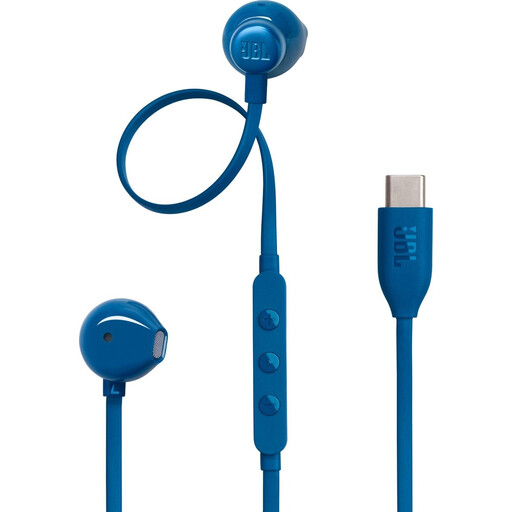
JBL Tune 305C wired USB-C earbuds in blue

JBL Tune 305C wired USB-C earbuds, blue

An option if you want to listen with a cable via USB-C. Check that your device supports USB-C audio.

The product name specifies a USB-C connection.

View at Joybuy
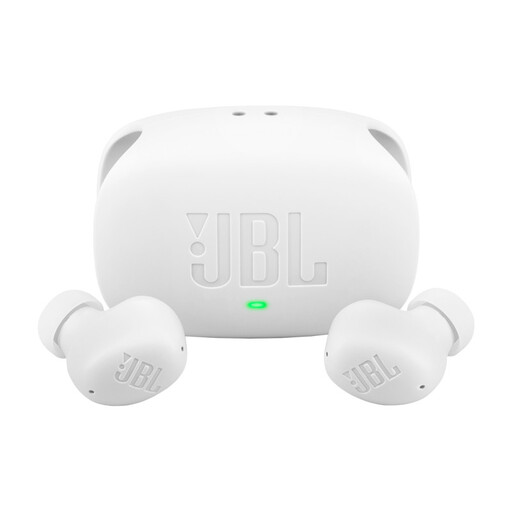
JBL Wave Buds 2 in white

JBL Wave Buds 2, white

A wireless option to consider if you want to switch between noise reduction and ambient sound.

View at Joybuy
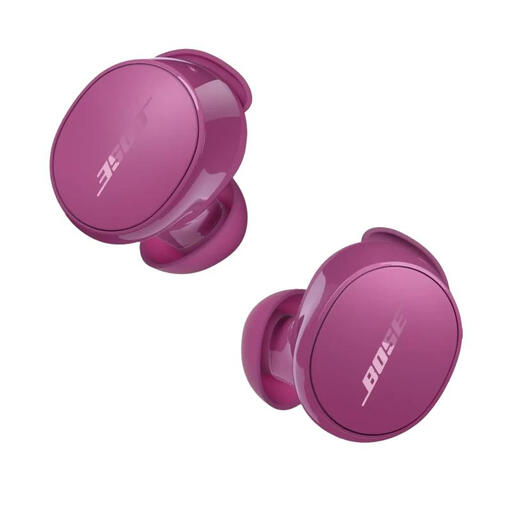
Bose QuietComfort Earbuds in Rosewood Mauve

Bose QuietComfort Earbuds, Rosewood Mauve

An option to consider if you’re looking for wireless in-ear headphones with a choice of noise reduction or ambient sound.

View at Joybuy

Samsung Galaxy Buds4 Pro True Wireless in black

Samsung Galaxy Buds4 Pro True Wireless, black

A wireless option to consider if you want to compare ANC and adjustable sound.

The product name specifies True Wireless and Active Noise Cancelling.

View at Joybuy

Bose Noise Cancelling Wired Earbuds in black

Bose Noise Cancelling Wired Earbuds, black

A wired option if you want to listen without charging. Check which connection your device needs.

The product name specifies wired earbuds with noise cancelling.

View at Joybuy

Frequently asked questions

Do I need ANC in an already quiet library?

Not necessarily. Start with a good fit and a low volume: well-fitting in-ear earbuds can help keep sound in. ANC reduces the noise you hear, but it doesn’t prove that other people can’t hear your music.

How can I listen without disturbing other visitors?

Keep the volume low and check whether someone sitting next to you can hear your music. Amsterdam Public Library asks visitors not to disturb others with loud music; library rules may vary.

How can I make a longer listening session safer?

Keep an eye on both the volume and listening time, and take breaks. The World Health Organization points out that volume, listening duration and repeated exposure to loud sounds all matter. Its recommendations are general guidance, not a measurement of your earbuds.

Do I need an adapter for wired in-ear headphones?

That depends on your device’s connection and the earbuds’ plug. The Sennheiser IE 200 has a 3.5mm plug; check whether your phone, laptop or music player has a compatible socket. If not, you’ll need a suitable adapter.

What are the rules on returns and warranties in the Netherlands?

Online consumer purchases usually come with a 14-day cooling-off period, but check which exceptions and return conditions apply to the specific product. This cooling-off period is separate from your rights if a product is faulty or not as described. According to the Dutch government, you’re entitled to a product that works as it should; there is no fixed statutory warranty period of exactly two years in the Netherlands.
